

Hormonal IUD
A small T-shaped device placed in the uterus
form
Small device inserted by a clinician
What it is
A small T-shaped device inserted into the uterus that releases a continuous low dose of progestin (a lab-made hormone similar to the progesterone your body makes naturally) right where it's needed. One of the most effective forms of contraception, and brilliant for period pain.
How it works
Releases a progestin called levonorgestrel directly inside the uterus, thinning the uterine lining and thickening the mucus at the womb's entrance. Because the hormone stays mostly local, very little enters the rest of your body.
Getting an IUD placed
A simple look at how the device is placed. Step through it below.
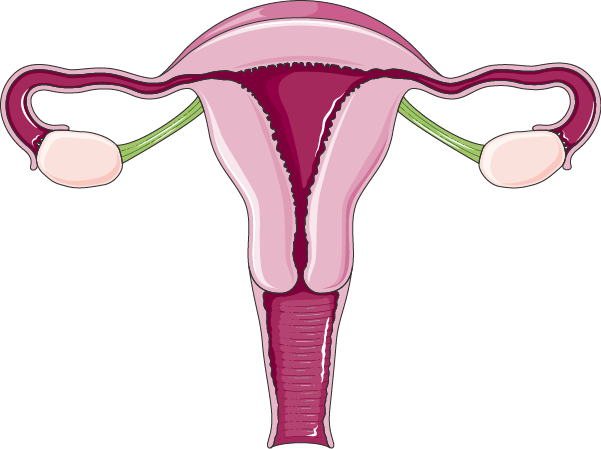
Where it goes
Folded inside a thin tube, the IUD is guided up to the top of the uterus.
Common brands
Tap any brand to learn more.
The good stuff
- Lasts 3–8 years, nothing to remember daily
- Periods often become very light or stop entirely
- Highly effective at reducing pain from endometriosis and adenomyosis (a condition where the uterine lining grows into the uterine wall)
- Very little hormone enters the rest of your body
- Fertility returns quickly after removal
- Cost-effective long-term
The trade-offs
- Insertion can be painful, so always ask about pain relief options beforehand
- Cramping and irregular spotting are very common in the first 3–6 months
- Requires a clinical procedure to insert
- Not suitable if you have certain uterine abnormalities or active infections
- Rarely, the device can be pushed out by the uterus, so check the strings monthly
Avoid if
- Unexplained vaginal bleeding
- Certain uterine abnormalities (some fibroids, septum)
- Active STI or pelvic infection
- Certain liver conditions
What to expect
- 1Insertion takes about 5–10 minutes, and cramping afterward is normal for 24–48 hours. Take ibuprofen beforehand.
- 2The first 3–6 months often involve irregular spotting. This is normal and usually improves significantly.
- 3Many people's periods become much lighter over the first 6 months. About 1 in 5 stop having periods by the first year, rising to around half after several years.
- 4Check that the strings are in place monthly for the first few months.
not sure which one is right for you?
Answer a few questions and get your top matches, with honest pros, cons, and reasons why.
Find my match →Helping someone else decide?
Send them the plain-language version.