

The Implant
A matchstick-sized rod inserted under the skin of the upper arm
form
Small rod inserted under the skin of your upper arm
What it is
A matchstick-sized flexible rod inserted under the skin of your upper arm that releases a steady, low dose of progestin (a lab-made hormone similar to the progesterone your body makes naturally) for up to 3 years. The most effective reversible contraception available.
How it works
Continuously releases a progestin called etonogestrel, which mainly works by stopping ovulation. It also thickens the mucus at the entrance to the womb as a second layer of protection.
Placing the arm implant
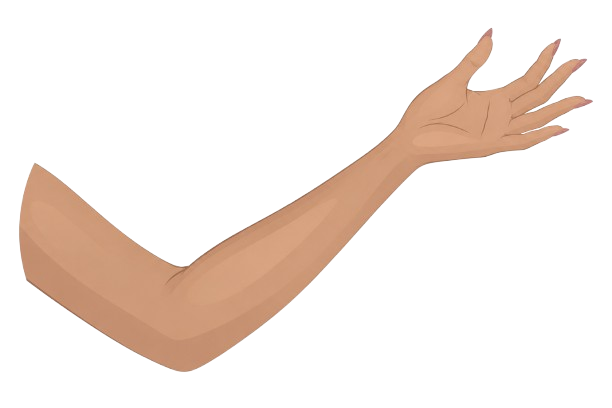
A simple look at how the implant goes in. Step through it below.
Where it goes
The implant goes just under the skin of your inner upper arm.
Common brands
Tap any brand to learn more.
The good stuff
- Most effective reversible contraception available
- Lasts up to 3 years, truly nothing to remember
- No oestrogen, safe with migraines and most health conditions
- Periods often become lighter or stop
- Can be used while breastfeeding
- Completely discreet, invisible under the skin
The trade-offs
- Irregular, unpredictable bleeding is very common
- Requires a minor procedure to insert and remove
- Side effects like mood changes or acne can't be stopped without removal
- Some people experience weight gain (evidence is mixed)
Avoid if
- Unexplained vaginal bleeding
- Certain liver conditions
- If irregular bleeding would be very distressing for you
What to expect
- 1Insertion takes 1–2 minutes under local anaesthetic, and you can expect some bruising for a few days.
- 2Irregular spotting is very common, especially in the first 3–6 months.
- 3About 20% of people stop getting periods; others may bleed more frequently but lightly.
- 4If the side effects aren't working for you, it can be removed at any time.
Helping someone else decide?
Send them the plain-language version.