
Meet the Hormones Running Your Period (A Cast of Characters)
Five hormones run your whole cycle, and once you know who each one is, what they are made of, and how they signal each other, the month stops feeling random. Here they are as a cast of characters, from Periodwise.
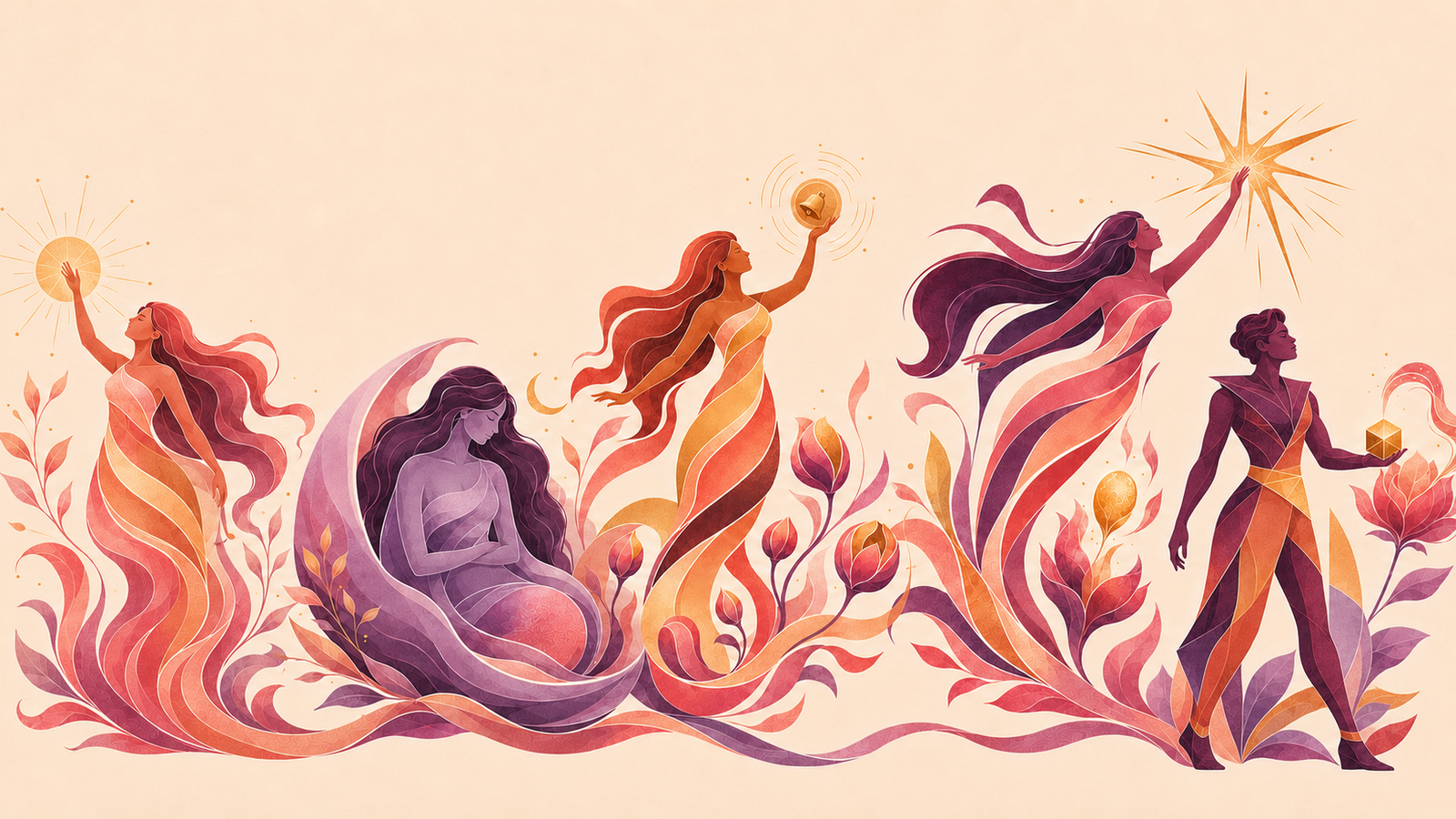
Five hormones run your whole cycle, and once you know who each one is, what they are made of, and how they signal each other, the month stops feeling random. Here they are as a cast of characters, from Periodwise.
Your hormones get blamed for a lot. Feeling amazing? Hormones. Crying at an advert? Hormones. Wanting to reorganise your whole room at 11pm? Also, somehow, hormones.
The problem is that "it’s your hormones" tells you nothing. So here is a version that actually sticks. Picture your cycle as a show with five recurring characters. Each one has a job, a place it is made, and a moment where it takes centre stage. The real magic is that they constantly message each other, and those messages are what keep the whole cycle turning. Get to know them, and the month goes from chaos to a pattern you can read.
First, who is actually in charge?
Before you meet the cast, it helps to know the chain of command, because your ovaries are not calling their own shots. There is a group chat running top to bottom.
At the very top sits a part of your brain called the hypothalamus. It sends a signal down to the pituitary, a pea-sized gland just below it. The pituitary then releases two of our characters, FSH and LH, into the bloodstream. Those two travel down to the ovaries and tell them what to do, and the ovaries respond by making oestrogen and progesterone. Then, crucially, the ovaries message back up: the amount of oestrogen and progesterone in your blood tells the brain whether to speak up or quiet down. Brain to pituitary to ovaries, and back again. That loop is the engine of the entire cycle.
One more thing that ties the group together. Three of these hormones, the ones your ovaries make (oestrogen, progesterone, and testosterone), are all built from the same starting material: cholesterol. Yes, that cholesterol. Your body uses it as the raw block to sculpt each of these into shape, which is why they are called steroid hormones. FSH and LH are the odd ones out, built from protein instead. Small fact, but it explains why these three are so closely related that one can literally be turned into another, as you will see with the guest star.
Oestrogen, the glow-up
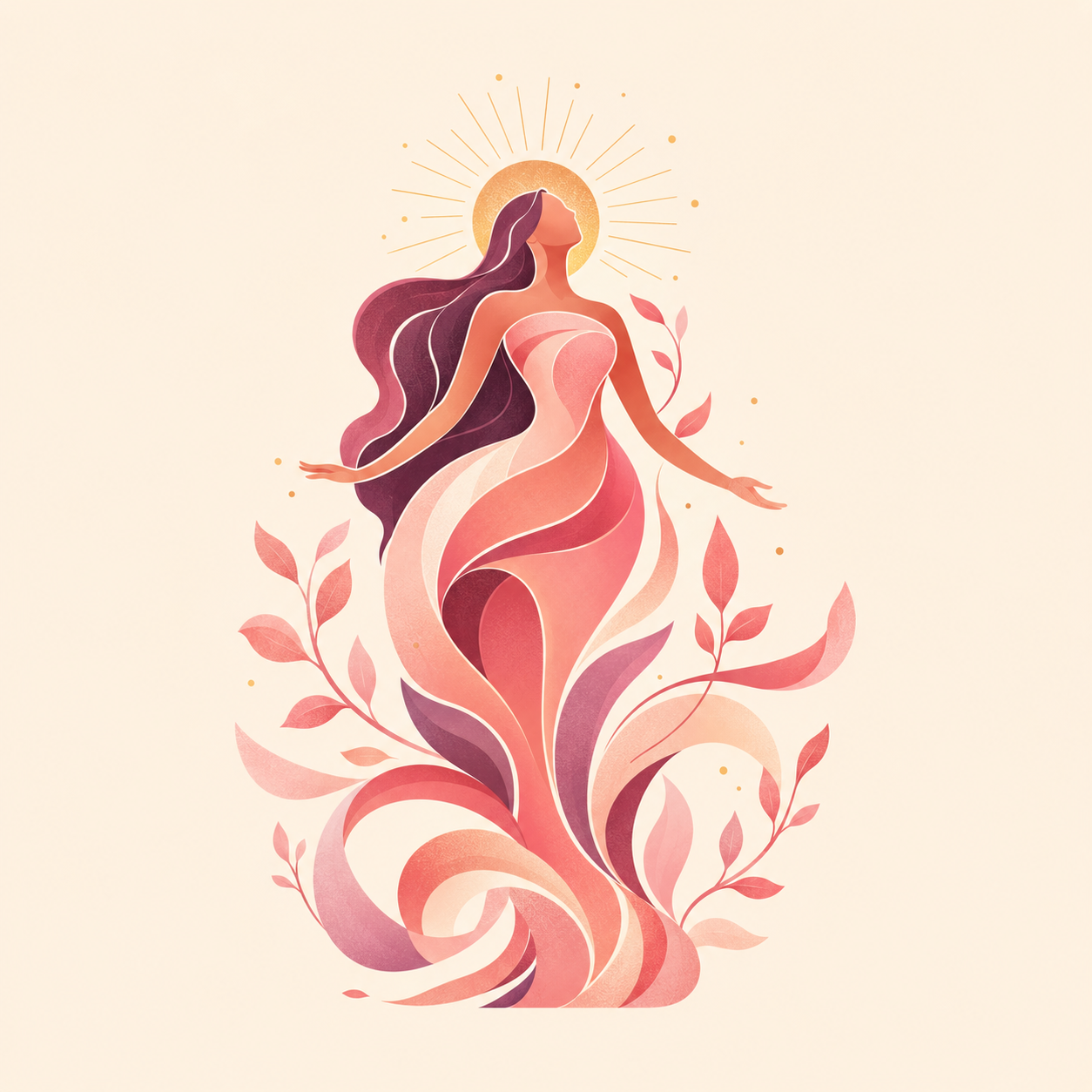
Oestrogen is the main-character-energy one, and it is really a small family. There are three versions, and the one running your cycle in these years is called oestradiol, the strongest of them. It is made mostly inside the follicles, the little fluid-filled sacs in your ovaries that each hold an egg. As a follicle grows through the first half of your cycle, it takes androgen building blocks and converts them into oestrogen, pumping out more and more as it matures.
Its headline job is building. Oestrogen thickens the lining of your uterus (the endometrium) back up after your last period stripped it away, getting it plush and ready in case a pregnancy happens. But it works on far more than your uterus. It lifts the activity of serotonin, one of your feel-good brain chemicals, which is a big reason your mood and energy climb alongside it. It helps keep your bones strong, which is why very low oestrogen over time can weaken them. It supports collagen, so skin often looks its best. And it turns your cervical fluid clear and stretchy, like raw egg white, right before an egg is released, which is your body rolling out the welcome mat.
There is also a signalling job most people never hear about. For most of the cycle, a moderate amount of oestrogen tells the brain to stay quiet and hold FSH back. But when oestrogen climbs high and stays high for a couple of days right before ovulation, the message flips completely: instead of "stay quiet," it becomes "fire now." That flip is what sets off the big mid-cycle moment. Hold that thought for LH.
So that stretch a few days after your period where you suddenly feel great and do not fully know why? That is oestrogen climbing. When she is high, you are glowing, and it is chemistry, not coincidence.
Progesterone, the cosy one (who causes all the drama when she leaves)
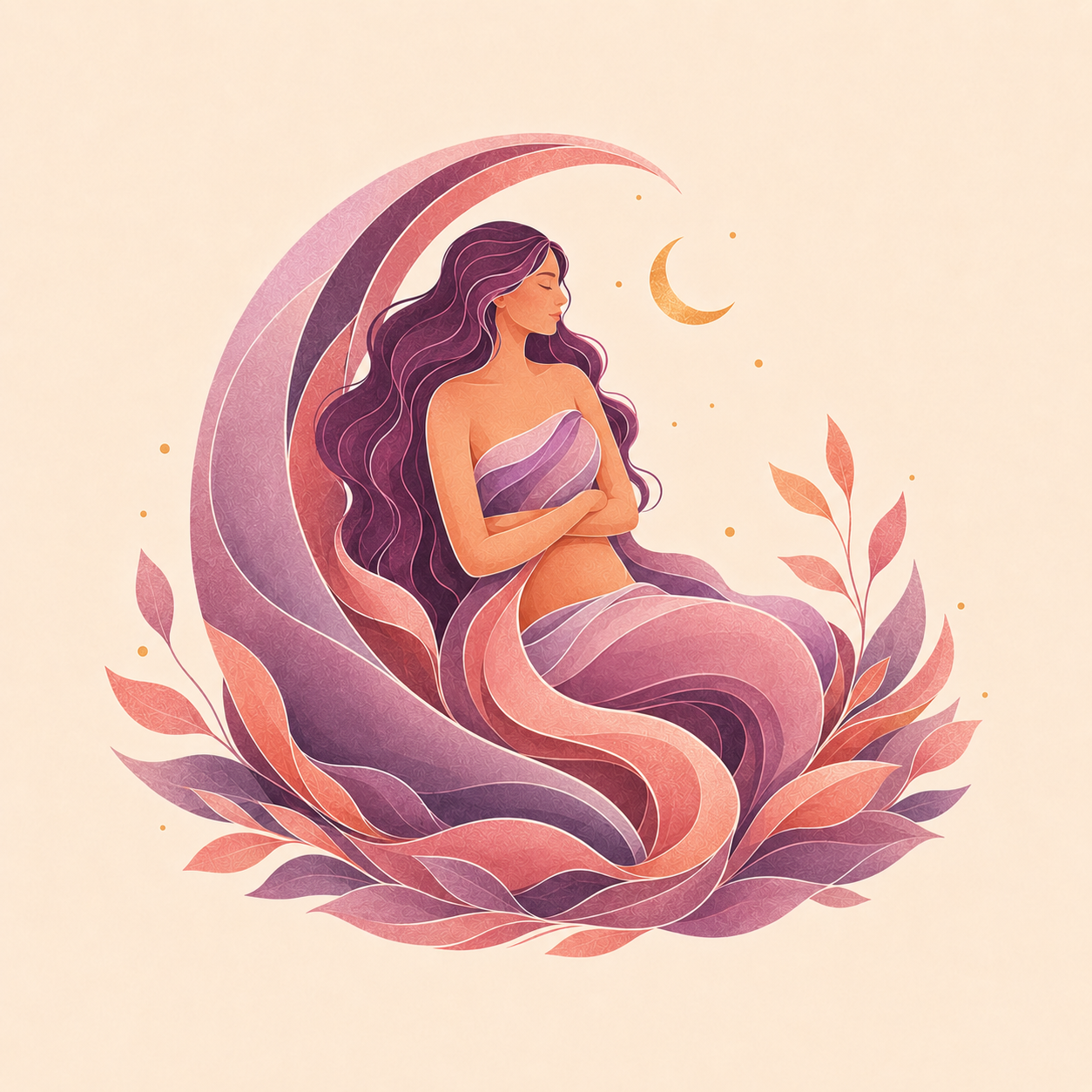
Progesterone takes over in the second half, and where she comes from is a genuinely clever trick. After ovulation, the empty follicle that just released its egg does not vanish. It reinvents itself into a temporary gland called the corpus luteum, and that little structure becomes a progesterone factory for about two weeks.
Her name basically means "for pregnancy," and that is her mission: take the lining oestrogen built and finish it off, switching it from simply thick to genuinely nourishing, ready to feed an embryo if one arrives. Along the way she does several things you can actually feel. She nudges your body temperature up by a fraction of a degree after ovulation, which is exactly what temperature-based cycle tracking detects. One of the substances she breaks down into acts on the same brain receptors as calming and anti-anxiety medications, which is why she can leave you feeling soft, sleepy, and a little foggy. That same fact has a sting in the tail: when she drops and that calming influence is suddenly yanked away, your brain can rebound into irritability and anxiety, which is a real driver of PMS. She also slows your gut, hence the bloating and pre-period constipation, and can make breasts feel tender.
Here is the twist that explains so much. If there is no pregnancy, the corpus luteum only lasts around ten to fourteen days, then breaks down, and progesterone plummets. That sudden withdrawal is the actual trigger that makes your lining shed. That is your period. If you do get pregnant, the opposite happens: the early pregnancy releases a hormone called hCG that keeps the corpus luteum alive, so progesterone stays high, the lining stays put, and you do not bleed. That same hCG is exactly what a pregnancy test is looking for. So progesterone staying versus leaving is, quite literally, the difference between a period and a positive test.
FSH, the alarm clock
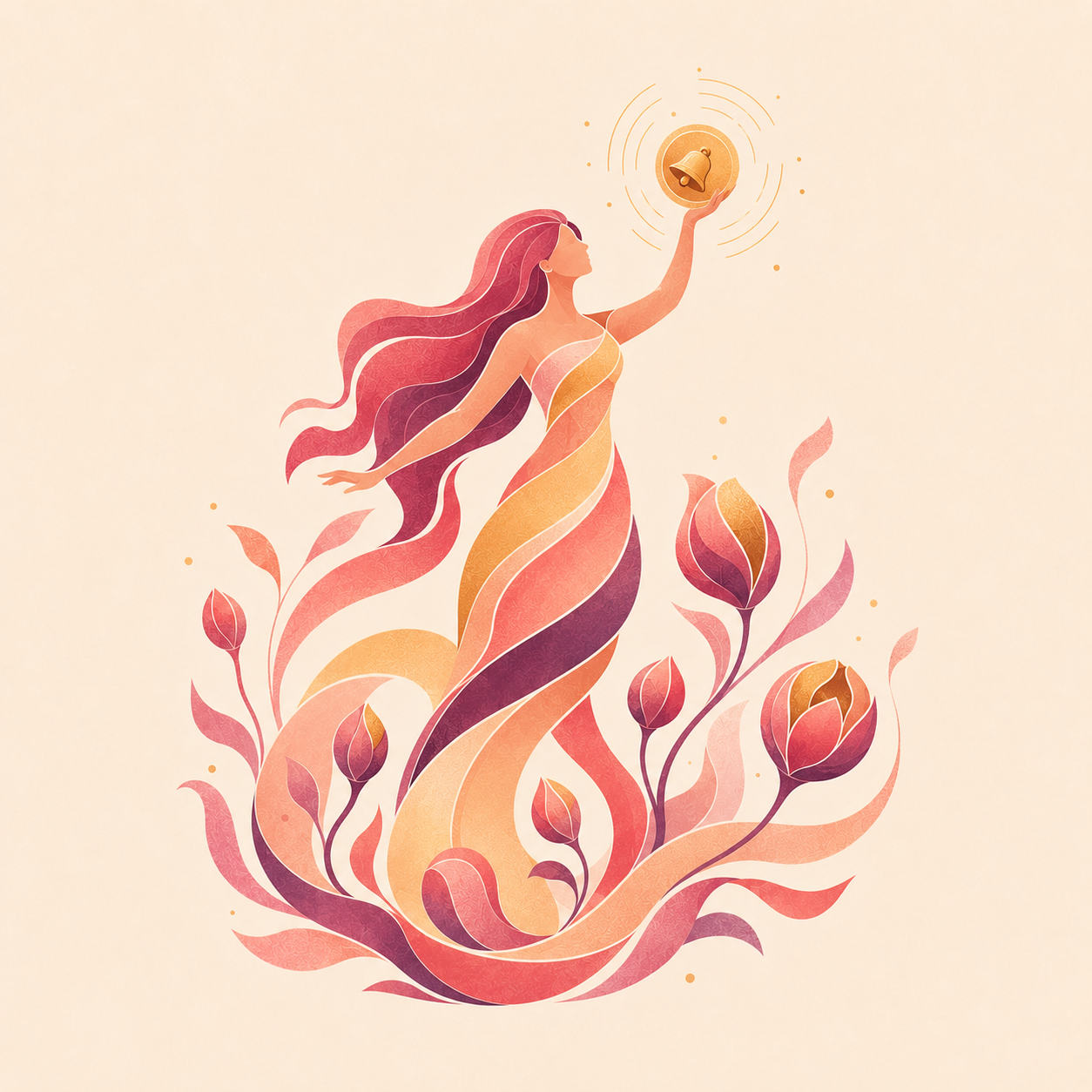
FSH stands for follicle-stimulating hormone. It comes from the pituitary gland in your brain, you never feel it, and its job is refreshingly simple: it wakes your eggs up.
At the very start of your cycle, FSH sends out a wake-up call to a small group of follicles (the little sacs in your ovaries that each hold an egg) and tells them to start growing. Think of it like auditions. A handful of follicles show up and compete, but usually only one wins the part and becomes the dominant follicle, the one that will actually release an egg this month.
Then comes the neat bit. As the winning follicle grows, it gives off oestrogen, and that oestrogen carries a message back up to the brain: "we have our winner, you can ease off now." So FSH drops back. Once the wake-up calls stop, the follicles that did not win lose their support and fade away, leaving just the strongest one standing. That is how your body almost always ends up releasing a single egg each cycle instead of a whole handful.
That is the entire FSH story: ring the alarm, hold the auditions, then bow out once there is a clear winner.
LH, the starting gun
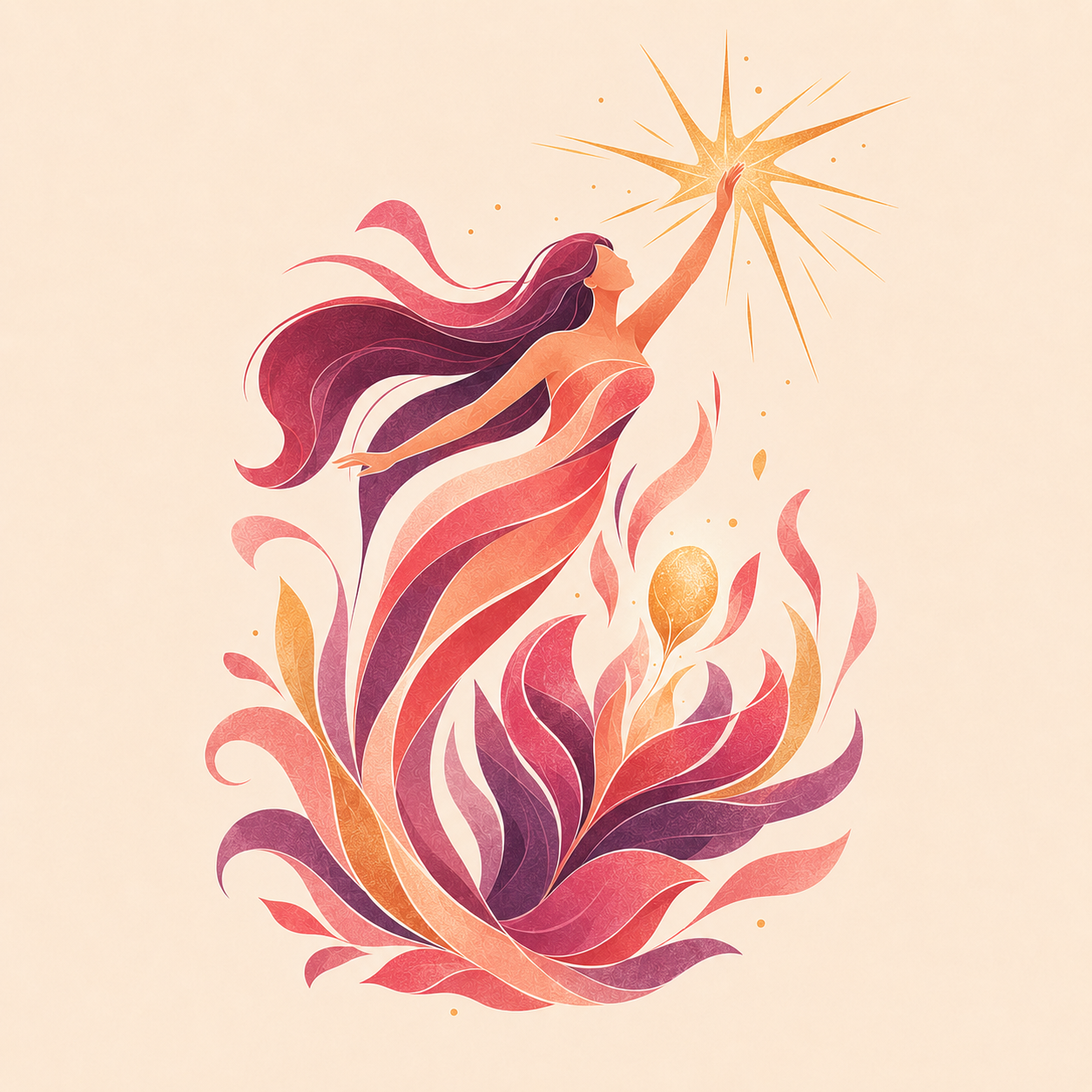
LH, luteinising hormone, is FSH’s partner from the same pituitary gland, and it delivers the single most dramatic moment of the month. Remember oestrogen’s message flipping from "stay quiet" to "fire now"? LH is what fires. When oestrogen has been high enough for long enough, the brain unleashes a sharp spike of LH called the LH surge.
That surge is the "go" signal. Roughly a day to a day and a half later, the dominant follicle bursts and releases its egg. That release is ovulation, and it is why an ovulation predictor strip works by detecting exactly this LH spike. The name is a clue to the handover too: "luteinising" refers to LH prompting that leftover follicle to become the corpus luteum, which passes the baton straight to progesterone. LH also does a behind-the-scenes job earlier, nudging the ovary to produce the androgen raw materials that oestrogen gets built from, which is where our final character comes in.
Testosterone, the guest star (who is secretly essential)
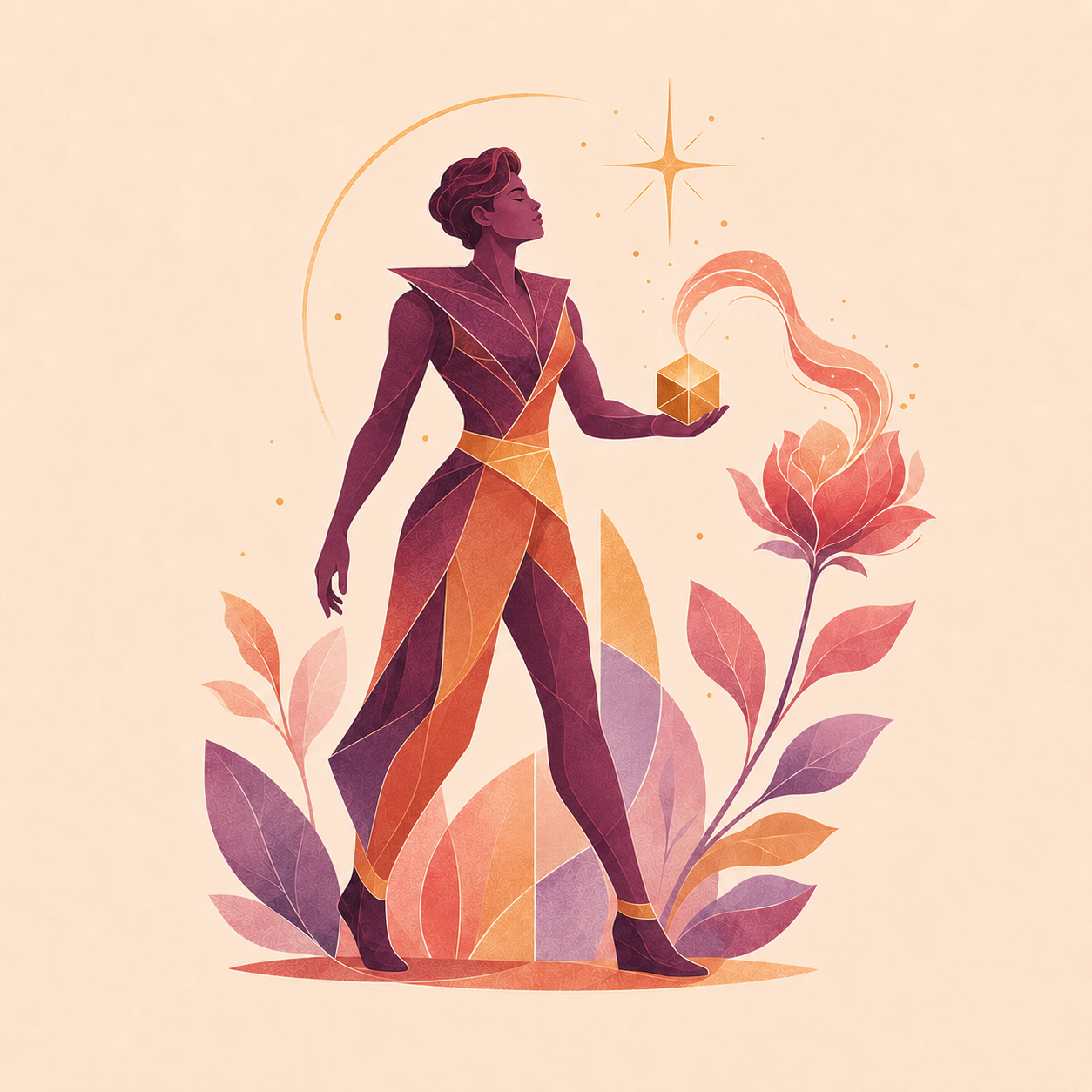
Surprise, everyone has testosterone, just in smaller amounts than you might picture. It is an androgen, made in little bits by both your ovaries and your adrenal glands, the small glands sitting on top of your kidneys. It rises to a small peak around ovulation, riding along with the oestrogen high, and it is tied to libido, drive, and a confident, capable energy, which is part of why some people feel most themselves mid-cycle.
But here is the twist that makes the cameo matter. Remember that oestrogen is built by converting androgen building blocks? Testosterone is one of those building blocks. In other words, your ovaries make a bit of testosterone partly so they can turn it into oestrogen. The guest star is supplying the raw material for the lead. It usually slips back out without fuss, but when testosterone runs high across the whole cycle, as it can in conditions like PCOS, it can show up as persistent acne or unwanted hair changes, which is one reason a doctor might test it.
How the cast plays out across your month
Your cycle runs in four phases, and each is really just a different mix of who is on stage and who is messaging whom.
Your period. Everyone is low. Progesterone’s exit has triggered the lining to shed, which is the bleeding. Low hormones all round is why energy is often at its lowest, so treat it as a rest phase, not a push-through-it one.
After your period (follicular phase). FSH wakes a follicle, oestrogen climbs, FSH backs off in response. Usually the best-feeling stretch: rising energy, clearer head, better mood. Prime time for the big plans.
The middle (ovulation). High oestrogen flips the switch, LH surges, the egg releases, testosterone makes its cameo. Lots of people feel confident and social here.
Before your period (luteal phase). The corpus luteum pumps out progesterone to keep the lining cosy, then it breaks down and both progesterone and oestrogen fall away. This is the PMS stretch: lower energy, mood dips, cravings, bloating. Not you being dramatic, just the cosy hormone winding down and taking your energy with her.
tap any phase to learn more
The most useful thing you can do with all of this is spot your own version of the pattern, and it feels far more real when you can watch it turn. Explore the interactive cycle ring → · Take the Period Personality Quiz →
When the ups and downs are not normal
Some monthly change in mood and energy is completely expected, that is the whole point of the cast. But there is a line worth naming. If the stretch before your period does not just dip but genuinely derails your life every single month, intense low mood, hopelessness, or anxiety that lifts the moment your period starts, that pattern has a name, premenstrual dysphoric disorder (PMDD), and it is real and treatable. The same goes for cycles that are wildly irregular or missing, or pain that stops you functioning. Those are worth talking through with a clinician rather than white-knuckling.
FAQ
What are the main hormones in the menstrual cycle?
Five do most of the work: oestrogen (rebuilds the lining and lifts your mood and energy), progesterone (finishes and calms the lining, then drops to trigger your period), FSH (wakes up a follicle), LH (surges to release the egg at ovulation), and testosterone (a small mid-cycle cameo that also supplies raw material for oestrogen).
Who is actually in charge of them?
A chain of command. Your hypothalamus signals your pituitary gland, the pituitary releases FSH and LH, and those two tell your ovaries to make oestrogen and progesterone. The ovaries then message back up, and the brain adjusts. That constant back-and-forth is what keeps the whole cycle turning.
Where are these hormones actually made, and what from?
Oestrogen and progesterone come from your ovaries, oestrogen from the growing follicle and progesterone from the corpus luteum it becomes after ovulation. Testosterone comes from your ovaries and adrenal glands. Those three are all built from cholesterol. FSH and LH are made in the pituitary gland in your brain and are built from protein instead.
Why do I feel so good right after my period ends?
That is rising oestrogen. As it climbs through the first half of your cycle and boosts serotonin activity, most people notice more energy, clearer skin, and a lighter mood, usually reaching a high around ovulation.
What actually makes my period start?
The drop in progesterone. When there is no pregnancy, the corpus luteum breaks down after ten to fourteen days, progesterone falls off a cliff, and without it the built-up lining can no longer hold, so it sheds. That shedding is your period.
Why do I feel worst the week before my period?
The corpus luteum breaks down, so progesterone falls away sharply and oestrogen drops too. Because progesterone had been calming your brain, losing it suddenly can rebound into irritability and anxiety, on top of low energy, cravings, and bloating. That whole cluster is PMS.
Why does my mood swing so much across the month?
Because two of these hormones talk directly to your brain chemistry. Oestrogen lifts serotonin, so the first half of your cycle often feels brighter, and progesterone has a calming, slightly sedating effect, so its rise and then its sharp exit in the second half can send your mood up and then down. It is a predictable arc, not random.
How do ovulation tests work?
They detect the LH surge. Since LH spikes sharply a day or so before the egg is released, a positive result means ovulation is likely coming very soon, which is how these strips flag your most fertile window.
Does hormonal birth control change all of this?
Yes. Most hormonal birth control supplies steady levels of synthetic oestrogen and progesterone. Those steady levels tell your brain there is already plenty on board, so it stops sending out FSH and LH. With no wake-up call and no surge, no egg matures and no ovulation happens, which is a big part of how it prevents pregnancy.
Can I feel ovulation happening?
Some people can. Around ovulation you might notice a small one-sided twinge, a change to clear stretchy cervical fluid, a slightly higher sex drive from the testosterone and oestrogen peak, or a small rise in body temperature just afterwards from progesterone. Others feel nothing at all, and both are completely normal.
When should I see a doctor about my hormones?
If premenstrual mood changes are severe enough to derail your life each month, if your cycles are very irregular or missing, or if pain stops you functioning, speak to a clinician. Severe premenstrual mood symptoms can point to PMDD, which is treatable.
Know someone who should read this?
Most of us learn this from a friend, not a doctor.