
Alcohol and Your Period: Effects on Cramps, Flow, Mood, Sleep
If you drink at social events, notice worse cramps or bloating on your period, or your hangovers seem heavier in the week before your bleed, this guide sorts it out. Learn what alcohol does to cramps, flow, mood and sleep, when it can change your cycle, and practical steps to feel better.
Heading to a party and wondering if a few drinks will make cramps worse, waking up bloated after a night out, or worried a heavy weekend of drinking could delay your period.
Quick answer: Alcohol affects many period symptoms through fluid shifts, inflammation and hormones, so drinking can make cramps, bloating, sleep problems and mood worse and sometimes shift ovulation or bleeding by days. The biggest effects come from heavy or binge drinking, dehydration, poor sleep and mixing alcohol with certain medications. Get it checked if you have very irregular cycles, heavy bleeding causing dizziness, severe abdominal pain, or signs of alcohol dependence.
How does alcohol interact with your menstrual cycle hormones
Alcohol changes the way your body handles hormones, and hormones drive the cycle. The menstrual cycle is controlled by a hormonal feedback loop between the brain and ovaries, with follicle-stimulating hormone (FSH), luteinizing hormone (LH), estrogen and progesterone rising and falling at predictable times. Alcohol can alter this loop in several ways.
Acute hormone shifts after drinking: A single night of drinking raises levels of certain stress hormones like cortisol for hours, and can temporarily increase estrogen levels in some people. Higher cortisol can interfere with normal LH and FSH signaling, and brief estrogen increases change fluid balance and can worsen breast tenderness or bloating.
Chronic or heavy drinking: Regular heavy consumption is linked in research to more persistent hormone changes, including altered estrogen metabolism and menstrual irregularities. Studies in heavy drinkers show more anovulatory cycles, meaning ovulation may not occur, which disrupts the timing of the period. Most of the evidence ties heavier patterns to bigger effects; a single drink or two on occasion is less likely to cause long-term cycle change.
Mechanism in plain words: Alcohol stresses the body, affects the liver (which helps clear hormones), and signals the brain’s hormone centers differently. That can shift the timing of ovulation or the hormonal support that keeps the uterine lining stable, so bleeding can come earlier, later, lighter or heavier.
Who this applies to: anyone who drinks, but the strongest and most lasting effects appear with frequent heavy drinking or binge episodes. If you have a condition like polycystic ovary syndrome, low body weight, or thyroid problems, your cycle is already vulnerable and alcohol may push it further off course. For background on how the cycle normally works, see our explainer on how the menstrual cycle works.
Does alcohol make period cramps worse
Short answer, yes for many people, especially after heavier drinking. Menstrual cramps are caused by uterine muscle contractions driven by chemicals called prostaglandins. Alcohol interacts with cramps through several routes.
Inflammation and prostaglandins: Alcohol increases systemic inflammation in the short term and with heavy use. That can boost pain signaling and make cramps feel stronger. Some studies show that people report more painful periods with higher alcohol intake.
Muscle relaxation then rebound: Alcohol is a muscle relaxant initially, which can mask pain, but afterward your body may experience increased tension and dehydration, both of which can intensify cramping. If you use alcohol to self-medicate pain, you may paradoxically end up with worse pain the next day.
Medication interactions: If you take nonsteroidal anti-inflammatory drugs (NSAIDs) like ibuprofen for cramps, drinking heavily at the same time increases risk of stomach bleeding and liver stress. If you use prescription pain medication or certain antidepressants, mixing alcohol may amplify side effects. Always check with a pharmacist or prescriber before combining.
What to do: prioritize hydration and avoid heavy drinking in the 24 to 48 hours before your period if cramps reliably worsen. Use proven measures like scheduled NSAIDs early in the cramps cycle, heat applied to the lower abdomen, light activity, and consider hormonal options for cramp relief, see our overview of birth control and period relief for method choices.
Does alcohol make bloating and water retention worse on your period
Yes, alcohol commonly increases bloating and water retention. Two main mechanisms explain this.
Fluid shifts: Alcohol is a diuretic at first, causing more urine, but it also triggers hormonal changes that make the body hold on to sodium and water afterward. The combination of drinking, then rebounding fluid retention, plus the normal premenstrual water retention from progesterone changes, multiplies bloating.
Gastrointestinal irritation: Alcohol, especially beer and sugary or carbonated mixed drinks, can increase gut gas and slow digestion, which feels like bloating. Many people notice more gas and abdominal fullness after a drinking session.
Practical steps: prefer lower-sugar drinks, avoid carbonated mixers if gas bothers you, sip water throughout the night and in the morning, and try gentle movement the day after to help digestion. For actionable tips to reduce period bloating generally, our guide on period bloating relief has food and activity suggestions that work alongside hydration.
Can alcohol delay your period or make it come early
Yes, alcohol can alter cycle timing, though usually modestly and most often after heavier use. The timing depends on whether alcohol changed ovulation earlier in the cycle or disrupted luteal-phase hormones later.
How a delay can happen: If alcohol reduces the hormonal signals that trigger ovulation, ovulation can be delayed or skipped. Because the period follows ovulation by a roughly fixed luteal phase (usually about 11 to 16 days), a later ovulation makes your bleed start later. Heavy or repeated drinking is more likely to do this.
How it can come early: In some cases alcohol-induced hormonal or liver changes speed the breakdown of progesterone, causing the uterine lining to shed sooner. Spotting can also occur if alcohol irritates the lining or if you mix alcohol with hormonal contraception and miss doses.
Typical sizes of effect: For most light, occasional drinkers, a night or two of drinking will not change the cycle timing more than a few days. For heavy or binge drinking, irregular cycles and missed periods become more common in the research literature. If your period is late and pregnancy is possible, take a pregnancy test and follow our guidance in late period, negative test if it’s negative.
Why hangovers can feel worse in the luteal phase or on your period
Many people report that hangovers feel heavier in the late luteal phase (the week before your bleed) and during bleeding. There are several plausible explanations rooted in hormones and sleep.
Hormonal sensitivity: The luteal phase has higher progesterone and shifting estrogen, which affect neurotransmitters that control mood and pain sensitivity. Alcohol alters the same neurotransmitters, so their combined effect can mean more nausea, mood swings, and headache.
Sleep disruption: Progesterone and PMS symptoms cause sleep fragmentation for many. Alcohol already worsens sleep quality, especially REM sleep. If your baseline sleep is poorer in the luteal phase, the additive effect of alcohol leads to more profound fatigue and cognitive fog the next day.
Dehydration and glucose regulation: PMS includes changes in appetite and blood sugar control. Alcohol lowers blood sugar and causes dehydration, so someone already prone to low energy or cravings in the luteal phase will feel worse after drinking.
What helps: prioritize sleep hygiene the night of drinking, rehydrate with electrolytes the morning after, and favor lower-alcohol drinks if you know the week before your period is already rough. If hangovers regularly knock you out for days, consider talking to your primary care clinician about drinking patterns and supports.
Drinking while on hormonal birth control: special considerations
Alcohol does not directly make most hormonal contraceptives less effective, but real-world issues can reduce protection. For example, heavy drinking can lead to missed pills, delayed ring or patch replacement, or delayed contraceptive injections, which raises pregnancy risk.
Mood and bleeding interactions: Alcohol can worsen mood swings for some people on hormonal birth control and may increase breakthrough bleeding in the short term. If mood changes are a concern, see our examination of birth control and mood and consider discussing options with a prescriber.
Medication interactions: Some antibiotics and certain seizure medications reduce hormonal contraceptive effectiveness, but alcohol itself generally does not change hormone metabolism enough to cause failure. The exception is if alcohol leads you to miss doses or use condoms inconsistently.
Practical steps: keep a pill pack or phone alarm, store backup condoms at home if your routine might break while drinking, and use long-acting methods like the hormonal IUD or implant if consistent use is challenging. Our comparisons and specific method pages such as the hormonal IUD or implant explain trade-offs.
Alcohol, mood and PMS or PMDD: what the evidence shows
Alcohol can temporarily relieve anxiety for some, but overall it tends to worsen mood symptoms tied to the menstrual cycle. For people with premenstrual dysphoric disorder (PMDD), which causes severe mood, anxiety and functional impairment before periods, alcohol is a risk factor for symptom worsening.
Short-term relief, long-term harm: Drinking may blunt negative emotions in the moment, but it disrupts sleep, neurotransmitter balance and stress responses, which makes mood symptoms rebound stronger. Studies show higher rates of depressive symptoms and alcohol use disorders in people with severe premenstrual symptoms.
Interactions with antidepressants: If you are on selective serotonin reuptake inhibitors (SSRIs) for PMDD or mood, combining alcohol increases sedation and may blunt the medication’s benefit. Discuss with your prescriber.
What to do: if you notice a pattern of drinking to cope with premenstrual mood, consider non-drinking coping strategies, talk to a counselor, or review medication choices with your clinician. Our PMDD overview in conditions explains evaluation and treatment options.
How much alcohol is risky for period symptoms, practical limits
Most research links heavier drinking or binge episodes to measurable menstrual disruption. Definitions vary by country, but binge drinking is often defined as about 4 or more standard drinks in a short time for people assigned female at birth. Risks grow with frequency and quantity.
Lower-risk approach: Limit to moderate drinking, which many guidelines define as up to one standard drink per day for people assigned female at birth, and avoid heavy weekend binges. Even then, if you notice symptoms worsen after a single drink, you should reduce further.
Pay attention to patterns: Keep a simple log for two to three cycles, noting how many drinks you had and whether cramps, bloating, flow or mood changed. Use our tracking tool, Periodwise Track, to see patterns and prepare for discussions with a clinician.
Table: typical alcohol effects on period symptoms by amount
Drinking pattern | Likely short-term effects | Likely cycle effects |
|---|---|---|
Light (1 drink) | Mild relaxation, small sleep disruption | Usually no major cycle change |
Moderate (1–2 drinks) | Worse sleep, some dehydration, increased bloating | Possible modest symptom worsening next day |
Heavy/Binge (4+ drinks) | Marked dehydration, nausea, poor sleep | Higher chance of delayed ovulation, irregular bleeding |
Chronic heavy | Tolerance, mood problems, liver changes | Irregular or absent periods, heavier bleeding |
Safer drinking tips for days when you expect a period
If you plan to drink around your period, a few steps reduce the chance of bad symptoms that day or the next.
Hydrate: Drink water between alcoholic drinks and have a large glass before bed. Hydration reduces headache and helps reduce post-drink bloating rebound.
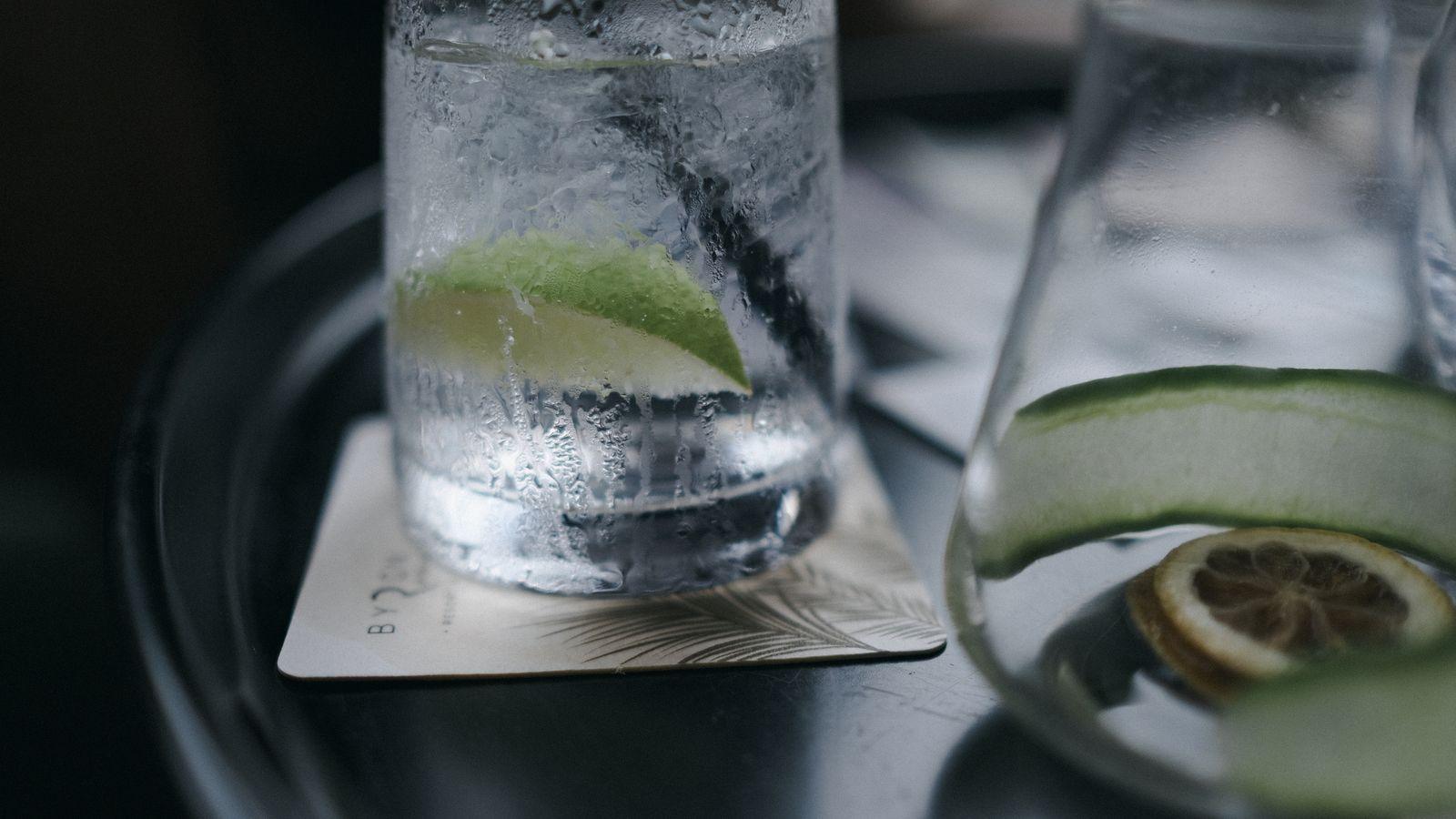
Choose lower-sugar, lower-carbonation options: Sugary cocktails and fizzy mixers increase bloating and gastrointestinal gas. Prefer spirits mixed with plain soda water and lime, or a glass of wine over a sugary punch.
Eat before and after: A balanced meal with protein and complex carbs stabilizes blood sugar and reduces nausea and hangover severity. Avoid drinking on an empty stomach.
Skip binge episodes: Spread drinks over time instead of drinking a lot quickly. Binge drinking is the pattern most linked to cycle disruption.
Plan medication timing: If you rely on NSAIDs for cramps, avoid heavy drinking at the same time and check with a pharmacist about interactions. If you are on antidepressants or other prescriptions, ask your prescriber about alcohol safety.
Backups and contraception: If drinking makes you more likely to miss a pill or delay a ring, keep condoms available as backup and review instructions in missed pill what to do.
When to see a doctor about alcohol-related period problems
If alcohol use is producing new or severe menstrual symptoms, get evaluated.
- Signs that need same-day or emergency care: severe lower abdominal pain that does not improve, fainting or near-fainting, heavy bleeding soaking through a pad or tampon hourly, signs of alcohol poisoning (confusion, vomiting while drowsy, seizures, slow breathing).
- Book a routine appointment if you have: repeated missed periods after heavy drinking, new heavy or irregular bleeding, persistent worse cramps since drinking began, concerns about alcohol use and mood.
Book a routine appointment if you have:
- Periods that become irregular after starting a pattern of heavy drinking
- New severe PMS or mood changes linked to drinking
- Difficulty stopping or reducing alcohol despite harm to your cycle
If you are unsure, our when to seek care guide walks through symptoms, and you can ask Sarah, the Periodwise assistant for help deciding the right route. If you face signs of dependence or withdrawal, contact a medical provider or a local addiction service.
How to talk with your clinician about alcohol and periods
Bring clear observations rather than vague worries: note how many drinks, when in your cycle you drank, and what changed and when. A simple tracking sheet for three cycles showing drinking and symptoms is very helpful.
Expect the clinician to ask about overall drinking patterns, mental health, medications, and other conditions like thyroid disease, PCOS or significant weight changes, because those also change periods. Labs or a pregnancy test may be suggested, and referral to counseling or alcohol support may be offered if drinking is frequent or harmful.
If a clinician suggests stopping alcohol, they will not expect you to do it instantly without support. Ask for realistic steps, harm reduction strategies, and referrals. For contraception questions that interact with drinking routines, check our method comparisons on the comparisons page or specific method pages like the combined pill.
Frequently asked questions
Will one night of heavy drinking delay my period
One night occasionally may shift your period by a few days for some people, especially if it changes when you ovulate, but a single episode usually does not cause long-term absence. If your cycle is already irregular or you binge repeatedly, delays and missed periods become more likely.
Does alcohol make period bleeding heavier
Alcohol itself does not directly increase uterine bleeding in a predictable way, but heavy drinking can affect liver metabolism and hormones and may be associated with heavier or more irregular bleeding in some people. If you have new heavy bleeding, get a routine appointment to check causes.
Is it safe to drink while taking ibuprofen for cramps
Occasional, light drinking with short-term ibuprofen use is commonly tolerated, but combining heavy alcohol with NSAIDs increases the risk of stomach irritation and bleeding. If you have a history of ulcers, liver disease, or take NSAIDs regularly, check with a pharmacist or clinician.
Why do I feel more depressed after drinking before my period
Alcohol changes neurotransmitters that regulate mood and disrupts sleep, which commonly worsens premenstrual mood swings or PMDD symptoms. For some people this creates a cycle of using alcohol to cope that then deepens mood problems.
Can drinking cause missed periods permanently
Chronic heavy drinking can cause persistent menstrual irregularities and, in severe cases, amenorrhea or low estrogen states. For most people, reducing or stopping heavy drinking allows cycles to return to baseline, but persistent changes should be evaluated.
Are certain types of alcohol worse for period symptoms
Sugary cocktails and carbonated drinks often increase bloating and GI discomfort. Drinks with higher alcohol by volume and those that encourage binge patterns are more likely to disrupt your cycle. Choosing lower-alcohol, noncarbonated options and pacing drinks reduces side effects.
Will cutting out alcohol improve my cramps and bloating
Many people notice less bloating, fewer hangovers, better sleep and sometimes less painful periods after reducing or stopping alcohol, especially if they previously drank heavily. Track symptoms over two to three cycles to see measurable change.
How many drinks counts as binge drinking for affecting my cycle
Binge drinking is commonly defined as roughly four or more standard drinks in a short period for people assigned female at birth. Binge episodes are most strongly linked to short-term hormone disruption and cycle changes.
Can alcohol interact with birth control to cause spotting
Alcohol does not reliably alter hormone levels enough to cause spotting, but heavy drinking may lead to missed doses or inconsistent use, which does cause spotting or breakthrough bleeding. If spotting is new or persistent, see a clinician and review adherence.
Where can I get help if alcohol is harming my periods or health
If drinking patterns are changing your periods or mood, talk to your primary care clinician, Planned Parenthood, or a local sexual health clinic. For immediate decisions about symptoms, see our when to seek care resources or ask Sarah, the Periodwise assistant for guidance.
Know someone who should read this?
Most of us learn this from a friend, not a doctor.