

Period Cravings Explained: Why You Crave Food Before Your Period
Feeling suddenly starving before your period, craving chocolate, or noticing bigger portions in the luteal phase? This guide explains the hormones and metabolism changes behind period cravings, why chocolate is a special case, how to eat in a way that satisfies cravings without guilt, and when to mention them to a clinician.
Hungry more often in the week before your period, craving chocolate or carbs, or baffled why your appetite jumps in the luteal phase.
Quick answer: Period cravings are a normal rise in appetite during the luteal phase, driven by hormone shifts, mainly progesterone, and a modest increase in resting metabolic rate. Common cravings, especially for chocolate, reflect changes in reward pathways, serotonin and the drive for quick energy and fat. Manage cravings by planning satisfying meals, keeping nutrient-dense snacks handy, and treating chocolate mindfully.
Why appetite rises in the luteal phase
In the second half of the cycle, after ovulation and before bleeding starts, your body is in the luteal phase. Progesterone levels rise and stay high until either pregnancy occurs or the period begins. Progesterone has several effects that raise appetite and change how you feel about food. First, there is a metabolic effect. Good evidence shows resting metabolic rate increases slightly in the luteal phase, typically by about 100 to 300 calories a day for most people. That means your body is burning more energy at rest, which can translate into increased hunger.
Second, progesterone interacts with appetite-regulating systems in the brain. Ghrelin, the “hunger hormone,” and neuropeptide Y, which stimulates eating, can be more active under the influence of luteal hormones. At the same time, progesterone affects serotonin pathways, which can lower mood for some people and increase desire for comforting or carbohydrate-rich foods. These combined changes explain why appetite tends to rise in a predictable window before bleeding.
How noticeable this feels varies. Some people report a mild uptick in hunger and slightly bigger portions. Others, particularly people with premenstrual dysphoric disorder (PMDD) or strong premenstrual symptoms, may experience intense cravings and emotional eating. The size of the metabolic increase also varies by body size, age and activity level, so a 150 calorie rise will feel different for different people.
Finally, behavioral and environmental factors play a role. If you expect to be hungrier, you may bring snacks or let small indulgences become habits, which reinforces cravings. Tracking your cycle with a tool like Periodwise Log can help you see patterns and plan meals around the luteal phase instead of reacting to cravings every month.
Why do I crave chocolate on my period
Chocolate is the single most common specific craving people report. There are three overlapping reasons for this.
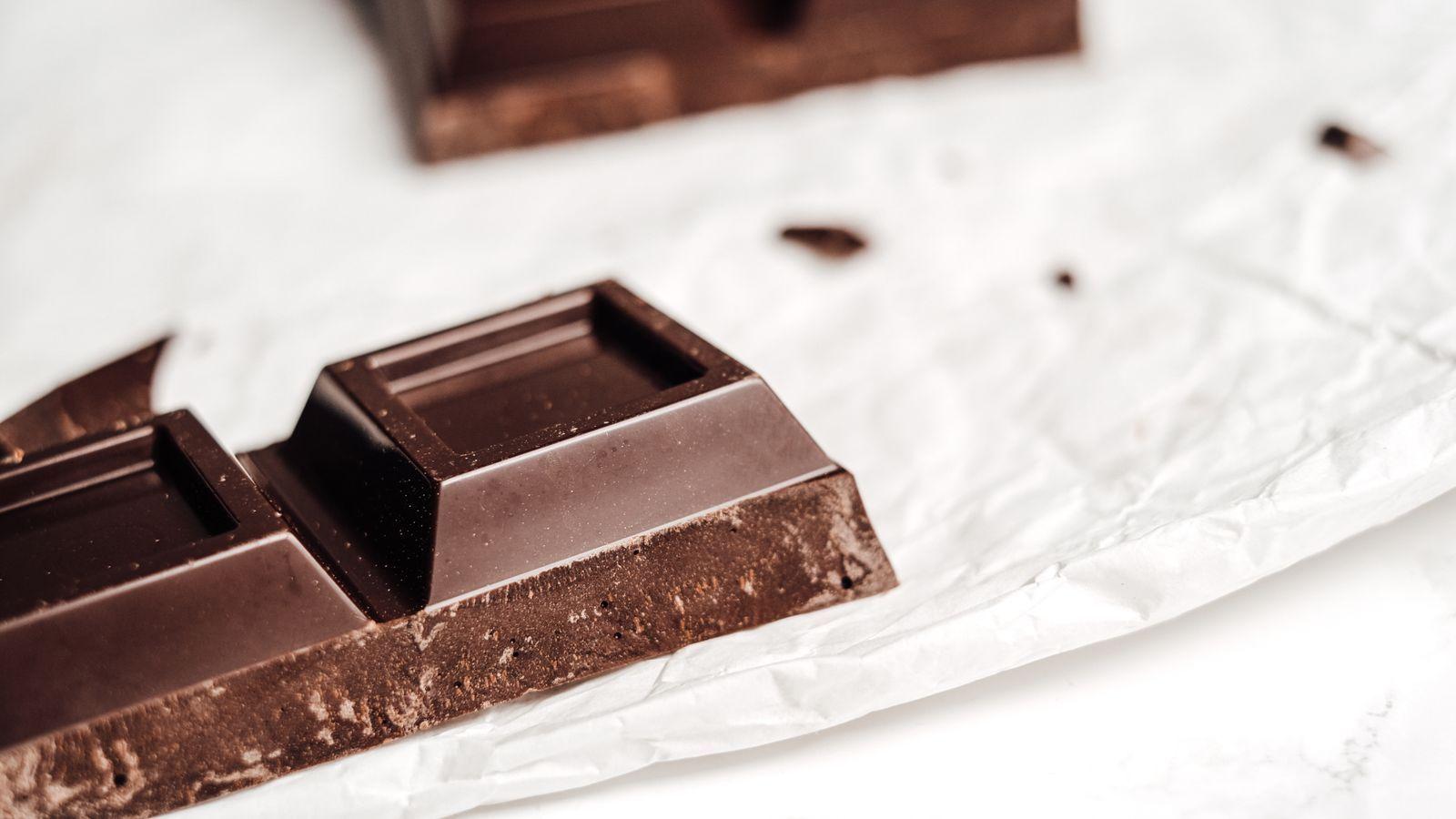
Pleasure and reward. Chocolate contains compounds (like theobromine and small amounts of phenylethylamine) that mildly boost mood and stimulate reward circuits in the brain. Even without a strong biochemical effect, the taste and texture of chocolate are reliably pleasurable, which makes it an obvious comfort food when mood dips.
Carbohydrate and sugar response. Many people crave chocolate because it often comes with sugar and refined carbs. These foods raise blood glucose quickly and transiently increase serotonin, which can temporarily lift mood and reduce anxiety. When luteal-phase serotonin signaling is lower, reaching for chocolate becomes a fast way to feel better.
Fat and energy density. Chocolate is calorie-dense, providing fat and carbohydrates in a small portion, which is efficient if your body is burning a bit more energy. From an evolutionary perspective, seeking calorie-rich foods when hormonal cues suggest energy needs may be adaptive.
Chocolate cravings are not a sign of moral failure or lack of willpower. They are predictable responses to physiological and psychological changes. That said, how you respond, choosing a small portion of high-quality dark chocolate versus hours of grazing on candy, matters for how you feel afterwards.
Hungry before period: timeline and common patterns
Most people notice increased appetite starting about 3 to 10 days before their period, with the peak in the late luteal phase, in the 48 to 72 hours before bleeding. Appetite often returns to baseline a day or two after bleeding begins, though some still feel hungrier while bleeding, especially if prostaglandins cause cramping and discomfort.
Common patterns include:
- Bigger meals: You may eat larger portions at regular meals, not just snack more.
- Increased snacking frequency: More frequent need to nibble, often on carbohydrate-rich snacks.
- Specific food cravings: Chocolate, salty snacks, cheese, or crunchy carbs. Sugar and salt cravings both occur because they target different reward systems.
- Nighttime hunger: Hunger that wakes you at night or leads to late-night snacking is common in the luteal phase.
Recognize personal patterns by tracking for two to three cycles. Use Periodwise Log to chart which days you feel extra hungry and which foods you reach for. Patterns give you leverage to plan grocery shopping, meals and coping strategies rather than reacting.
Luteal phase appetite: how much does metabolism increase?
Multiple studies using indirect calorimetry show a small but consistent rise in resting metabolic rate (RMR) in the luteal phase. The typical range reported in research is roughly 2 to 11 percent higher RMR, which translates to about 100 to 300 extra calories a day for many people. The exact number depends on body size, age and individual hormonal profiles.
What this means in practice is that some increased hunger is physiologic, not imagined. However, the calorie rise is modest and does not justify extreme overeating. If you want to match energy intake to needs, aim for slightly larger but nutrient-dense meals and add one or two satisfying snacks rather than doubling portion sizes.
Be careful with calorie counting. Trying to precisely offset a transient metabolic rise by strict restriction often backfires and increases bingeing. A better approach is to accept a modest increase, eat deliberately, and choose foods that deliver satiety: protein, fiber and healthy fats.
How to handle period cravings without fighting your body
Start with the mindset that cravings are signals, not commands. Instead of fighting them, plan to meet them in ways that satisfy both the craving and your longer-term goals.
Build a structured plan. Have three balanced meals with protein and fiber, and schedule one or two snacks. This reduces the blood-sugar roller coaster that makes cravings worse. Good meal components include eggs or Greek yogurt for breakfast, a lunch with lean protein and vegetables, and dinners with whole grains, legumes or fatty fish.
Keep satisfying snacks ready. Examples: nut butter on apple slices, dark chocolate (a measured piece), mixed nuts, whole-grain crackers with cheese, or hummus and veggies. The idea is to provide energy and pleasure in a controlled portion.
Use substitution, not denial. If you want chocolate, try a small piece of 70 percent dark chocolate, cocoa-added yogurt with banana, or a chocolate protein smoothie. These keep the flavor but add protein or fiber.
Mindful eating. Eat slowly, savor each bite and pause after a small portion. Often a deliberate 5-minute break is enough to notice if you are truly satisfied.
Manage triggers. If stress, poor sleep or alcohol make cravings worse, tackle those first. Sleep disruption in the luteal phase is common and makes impulse eating more likely. Aim for consistent sleep and limit late-night screen time.
Exactly how you balance indulgence and restraint depends on your goals. If you are trying to lose weight, allow small measured treats rather than blanket bans, which tend to trigger overeating. If binge eating is a concern, seek support from a clinician or counselor skilled in eating disorders instead of trying restrictive self-guides alone.
Practical meals and snack ideas that reduce cravings
Focus on three elements that improve satiety: protein, fiber, and healthy fats. Here are simple swaps and ideas you can use in the luteal phase.
- Breakfast: Greek yogurt with berries and a sprinkle of nuts, or scrambled eggs with spinach and whole-grain toast. Protein at breakfast reduces mid-morning cravings.
- Lunch: Grain bowl with quinoa, roasted vegetables, beans and a tahini dressing, or a turkey-and-avocado wrap with vegetables. Aim for 20–30 grams of protein if possible.
- Dinner: Salmon or tofu with sweet potato and steamed greens, or a chickpea curry with brown rice. Include a vegetable-heavy side to add fiber.
- Snacks: Apple slices with almond butter, a small handful of mixed nuts, a single square of dark chocolate with a piece of fruit, hummus with carrot sticks. Portable, balanced snacks beat vending-machine choices.
If you crave chocolate specifically, try these low-effort options that offer more nutrition:
- Dark chocolate (70 percent or higher), one or two squares, paired with a small handful of almonds. Protein and fat slow glucose absorption and help satisfaction.
- Chocolate-flavored protein pudding made with cocoa, Greek yogurt and a touch of maple syrup, topped with berries.
- Warm cocoa made with milk or a milk alternative, mixed into oats or chia pudding for a slower sugar release.
A small table: strategies compared at a glance
Strategy | How it helps | When to use | Downsides |
|---|---|---|---|
Protein-rich meals | Increases satiety, steadier blood sugar | Daily, especially breakfast | Requires prep |
Portioned treats | Satisfies cravings without overeating | When craving specific foods | Needs discipline |
High-fiber carbs | Slower digestion, fills you up | Between meals | Can cause bloating for some |
Mindful eating | Reduces impulsive snacking | Any time you snack | Needs practice |
Sleep and stress care | Lowers emotional eating triggers | Ongoing | Hard to control sometimes |
When to adjust for medical conditions or medications
Cravings can look different if you have a condition or are on medication. For example, people with polycystic ovary syndrome (PCOS) may experience insulin resistance that amplifies carbohydrate cravings. Thyroid disorders can change appetite and weight. Some antidepressants and antipsychotic medications increase appetite and weight as a side effect.
If cravings suddenly worsen, are paired with extreme weight changes, or come with other concerning symptoms like fainting or severe fatigue, check for underlying causes. Low ferritin (iron stores) after heavy bleeding can increase cravings for certain textures or even non-food items in pica. If you have heavy periods that might be causing iron loss, see our piece on iron deficiency from heavy periods for testing and treatment guidance.
When considering birth control changes, remember that hormonal methods can alter appetite and mood for some people. If you are switching methods and notice big changes in cravings or emotional eating, talk to the prescriber and review options on our birth control and mood and birth control for cramps pages.
How to handle cravings if weight loss is your goal
If you want to lose weight while managing luteal-phase appetite, use strategies that respect both physiology and sustainability. First, expect a modest monthly rise in hunger and plan a small calorie buffer rather than strict deprivation. Adding 100 to 200 calories of nutrient-dense foods in the luteal phase lets you match increased energy needs without derailing progress.
Second, prioritize strength training and protein to preserve lean mass, which supports metabolic health. Third, make treats predictable: plan a single small dessert or snack on the days you are most vulnerable. This prevents the all-or-nothing pattern that leads to binging. Finally, avoid labeling foods as
Know someone who should read this?
Most of us learn this from a friend, not a doctor.