
Pelvic Floor Period Pain: How Tight Muscles Amplify Cramps
You get worse cramps with tampons or sex, pain that hangs on after your flow, or a tightness that feels like internal tension. This guide explains how a tight pelvic floor amplifies period pain, what pelvic floor physiotherapy involves, and safe releases you can try at home.
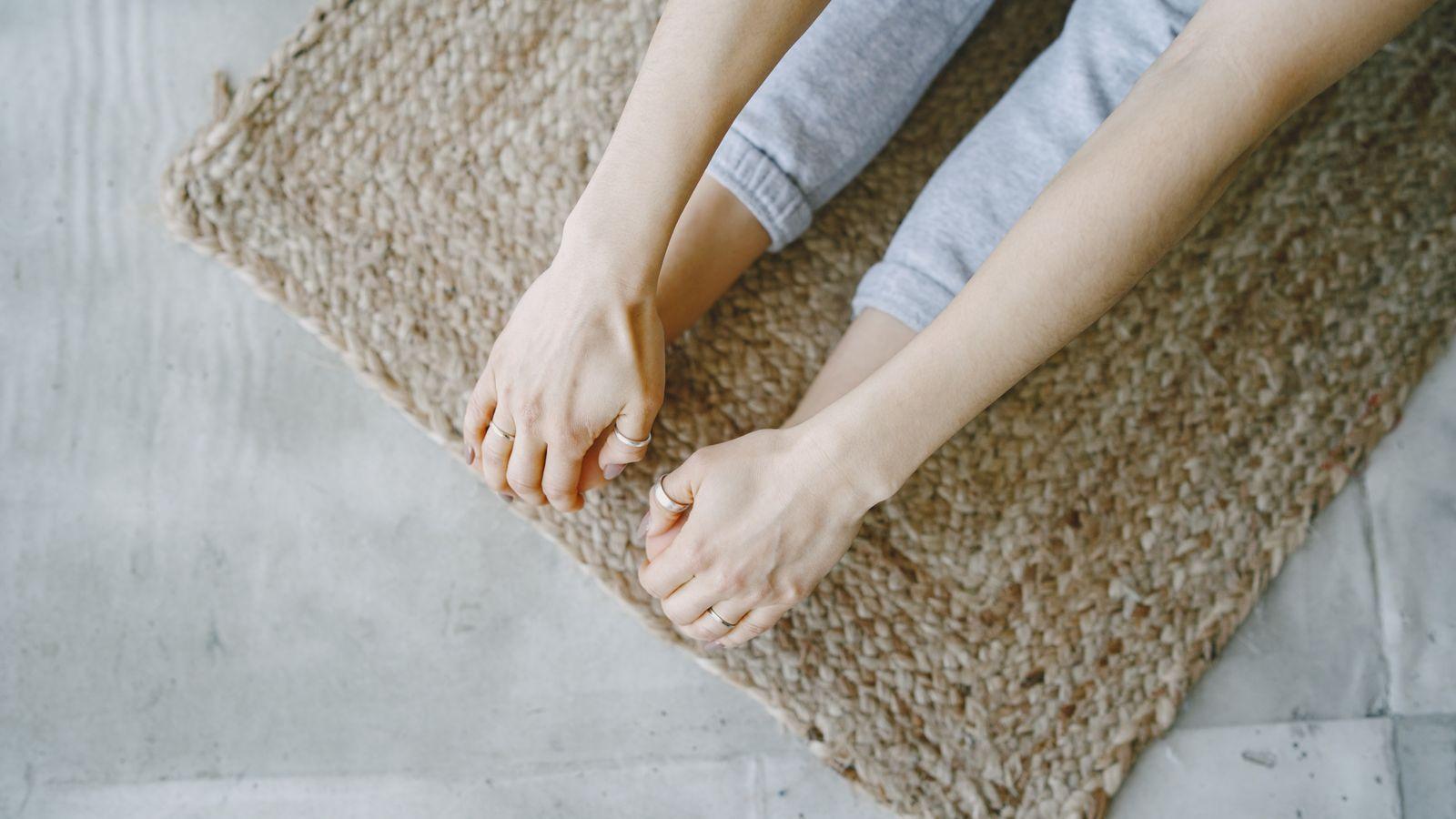
Worse cramps with tampons or sex, a constant aching pelvic tension, pelvic pain that lingers after your period.
Quick answer: Pelvic floor period pain is when tight or overactive pelvic muscles make menstrual cramps and pelvic pain worse, and they can cause tampon discomfort or pain with sex. Main fixes are targeted pelvic floor physiotherapy, short-term self-release techniques, anti-inflammatory medication as appropriate, and checking for underlying causes like endometriosis or infections.
Get it checked if you have fever, heavy bleeding, sudden severe pain, or pain that stops daily life despite home care.
What is pelvic floor period pain and how does it happen
Pelvic floor period pain describes pelvic or lower abdominal pain during your period that is at least partly caused by the pelvic floor muscles being tight, sore, or unable to relax. The pelvic floor is the group of muscles, connective tissue and nerves that support the bladder, uterus, vagina and rectum. These muscles naturally contract and relax during daily activities and sexual activity, and hormonal changes and inflammation around your period can change how they behave.
During your period, uterine muscles contract to shed the lining, which produces cramp pain called dysmenorrhea, the medical term for painful periods. If your pelvic floor muscles are already tense or respond by clamping down, they add extra squeezing and reduce blood flow around the pelvis, so cramps feel sharper and last longer. Pain signals from the uterus and pelvic floor also share nerve pathways, so tension in one area amplifies pain in the other. Many people describe this as a feeling of tightness low in the pelvis or a burning, pulling kind of ache.
A tight pelvic floor can be both a cause and an effect. Pain and anxiety about periods make muscles tense, and that tension then makes pain worse, which leads to more guarding. This cycle can turn a normally manageable period into one with constant pelvic discomfort, pain during tampon use, and pain with penetration. Physical factors like prior pelvic surgery, childbirth, injury, or chronic constipation can also predispose the pelvic floor to become overactive.
Clinical studies looking specifically at pelvic floor dysfunction and menstrual pain show consistent links between high pelvic floor muscle tension and worse pain, though the field has a mix of small studies and clinical reports. Evidence supports physiotherapy and targeted muscle training as helpful, especially when combined with checking for underlying pelvic conditions.
How a tight pelvic floor makes tampon use and sex painful
If tampons hurt, the problem is not always the tampon itself. A tight pelvic floor can make tampon insertion or wearing one uncomfortable because the muscles around the vagina, especially the pubococcygeus and bulbocavernosus muscles, resist stretching. That resistance can feel like a sharp pinch or a deep ache.
For sex, penetration requires the pelvic floor to lengthen and relax. When muscles are overactive they either tighten during arousal and penetration or fail to relax, so even gentle touch can be painful. Some people notice pain only around the time of their period, when inflammation and cramps increase local sensitivity. Others have persistent pain that worsens during menstruation.
Mechanically, three things happen: increased baseline muscle tone, poorly timed muscle contractions during penetration, and reduced blood flow that increases sensitivity. Hormones may also play a role: oestrogen (estrogen) levels change across the cycle and affect tissue elasticity and blood flow, while heightened prostaglandins during menstruation increase uterine cramping and local inflammation.
What to try right away if tampons or sex hurt: try a smaller tampon or a menstrual cup with a softer rim, use plenty of water-based lubricant for sex or when inserting products, and focus on slow, gentle descent with breathing. If pain is intense or refuses to improve despite home measures, book a focused pelvic floor assessment with a physiotherapist because persistent resistance often needs guided release work.
Signs that your pelvic floor may be contributing to period pain
Not everyone with menstrual cramps has pelvic floor involvement. Look for these clues that the muscles are part of the problem:
- Tampon discomfort: Pain inserting or wearing tampons that improves when you relax or are not on your period.
- Pain with penetration: Pain during sex, with fingers, or with pelvic exams.
- Feeling of tightness: A constant internal tension, pressure, or pulling that sits low in the pelvis.
- Pain that spreads: Cramps that radiate to the lower back, perineum, or inner thighs and do not respond to usual cramp remedies.
- Bowel or bladder symptoms: Painful bowel movements, constipation, or needing to pee urgently alongside period pain.
If several of these are true for you, pelvic floor dysfunction is likely playing a role. A specialist physiotherapist can assess muscle tone using external and, sometimes, internal examination to confirm whether muscles are tight, weak, or uncoordinated. Keep in mind that pelvic floor problems often coexist with other conditions like endometriosis, adenomyosis, fibroids, or infections, which is why a thorough check is useful.
What pelvic floor physiotherapy involves
Pelvic floor physiotherapy is specialized physical therapy that treats the muscles, nerves and connective tissues of the pelvic floor. It is usually delivered by a trained physiotherapist with extra pelvic health training. Sessions start with a detailed history, including your menstrual cycle, tampon or sexual pain, childbirth history, bowel and bladder habits, and previous pelvic surgery.
Assessment techniques include external observation of movement and posture, palpation of trigger points, and muscle testing. Many therapists use internal vaginal or rectal assessment to directly feel muscle tone, strength and coordination, but you always get to consent and decline internal exams. The therapist will also look at related areas such as the hips, lower back, and diaphragm because posture and breathing affect pelvic floor tone.
Treatment is tailored and may include:
- Education about pelvic anatomy, how pain cycles work, and practical tips for periods and tampon use.
- Manual therapy to release tight muscles and trigger points, sometimes with internal techniques.
- Biofeedback that uses sensors to show you how your pelvic floor contracts and relaxes, which helps retrain coordination.
- Home exercises: gentle lengthening and relaxation drills, and later strengthening if needed.
- Breathing and relaxation training to reduce subconscious guarding.
Most people need several sessions over weeks to months. Good evidence shows pelvic floor physiotherapy reduces pelvic pain and improves sexual function in people with pelvic floor dysfunction; however, results vary and are best when combined with other targeted care for any underlying condition.
Pelvic floor exercises for cramps: what helps and what can make things worse
Pelvic floor work is not one-size-fits-all. The wrong exercises, such as only doing strong squeezes (Kegels) when your muscles are already tight, can worsen cramps. The key is to identify whether your pelvic floor is overactive, underactive, or uncoordinated.
If your muscles are tight or overactive
- Focus on relaxation: slow, gentle lengthening and down-training exercises are the priority. These include diaphragmatic breathing while imagining the pelvic floor dropping, supported stretches for hips and inner thighs, and progressive relaxation.
- Avoid repetitive strong squeezes unless a therapist specifically prescribes them, because they increase tone.
If your muscles are weak or underactive
- Include strength training once pain settles: targeted contractions with full relaxation between reps, performed under guidance so you learn to fully let go afterwards.
Practical release drills to try at home
- Diaphragmatic breathing: lie on your back with knees bent, place hands on belly, breathe slowly into your belly so it rises, and imagine the pelvic floor softening on each out-breath. Repeat 5 minutes twice a day.
- Child's pose or supported child's pose: knees wide, chest towards mat, breathe slowly and rest for several minutes, focusing on letting the pelvic floor soften.
- Hip external rotation stretch: sit comfortably and let one knee fall out to the side, lean forward gently to feel a stretch in the glute and pelvic area.
- External pelvic floor release: sit with feet flat, place thumbs into the area by the sit bones and apply gentle circular pressure while breathing slowly.
Common mistakes include doing high-rep Kegels when muscles are tense, rushing exercises, and not addressing breathing and posture. If any drill increases sharp pelvic pain or causes new symptoms, stop and book a physiotherapy assessment.
Simple releases and pain-relief techniques to try during your period
These techniques are safe for most people and can be used in addition to medication like ibuprofen if you can take it. Always follow dosing guidance and check with your pharmacist or prescriber for contraindications.
- Heat: apply a heating pad or warm water bottle low on the abdomen or perineum for 15 to 20 minutes, which relaxes muscles and eases cramping. Heat directly to the perineal area can be calming for pelvic floor tension.
- Warm bath or sitz soak: sit in a warm bath for 10 to 20 minutes to relax pelvic muscles and reduce pain.
- Gentle movement: walking or light yoga increases circulation and reduces pain signals; avoid intense core work during bad cramps.
- Pelvic breathing: combine diaphragmatic breaths with slow 4-6 second exhale cycles to down-regulate muscle tone.
- Over-the-counter anti-inflammatories: NSAIDs such as ibuprofen reduce prostaglandin-driven cramps for many people; follow label and medical advice. Do not use NSAIDs if you have stomach ulcers, kidney disease, or certain other conditions without checking with a clinician.
- Self-massage: gentle external massage of the lower abdomen and inner thighs can reduce tension.
If you use menstrual products, try switching to softer options, inserting tampons or cups when you are relaxed, and using water-based lubricant. For period sex, communicate with your partner, use slow approaches and a lot of lubricant, and consider exploring non-penetrative intimacy until muscles relax.
How pelvic floor issues fit with other causes of bad period pain
Pelvic floor dysfunction often exists alongside other causes of period pain rather than instead of them. Common overlapping conditions include endometriosis, adenomyosis, fibroids, pelvic inflammatory disease, and vulvodynia. These conditions can create inflammation, scarring or structural changes that encourage pelvic floor guarding.
A careful medical history and, if needed, imaging or referral to a gynecologist can rule in or rule out other contributors. For example, endometriosis often causes deep, radiating pain and worsening pain over time, and physiotherapy addresses the muscular response but not the endometrial implants themselves. That is why combined care is common: pelvic floor physiotherapy to reduce muscle contribution plus hormonal or surgical options to address structural disease. Our guide to conditions explains how different pelvic diagnoses relate to period pain.
Do not assume pelvic floor therapy replaces medical evaluation, especially if you have new heavy bleeding, fever, or pain that wakes you from sleep. Use pelvic floor care as part of a team approach when appropriate.
What to expect from treatment timelines and outcomes
Expect early relief from simple home strategies and heat within hours to days, but muscle retraining and physiotherapy typically take weeks to months. Short-term goals are pain reduction and improved ability to insert tampons, have comfortable sex, and function through the day. Long-term goals are consistent muscle coordination, improved pelvic mobility, and addressing any contributing pelvic conditions.
Typical course with a physiotherapist involves 6 to 12 sessions spaced over several months, plus daily home practice. Most people report progressive improvement in pain scores, tampon comfort, and sexual function, though complete elimination of pain depends on whether there are other underlying conditions. If pain improves with pelvic floor work but plateaus, that is a clue to investigate additional causes.
Insurance coverage for pelvic physiotherapy varies. Ask a clinic about self-referral options, or see Planned Parenthood, a sexual health clinic, or a primary care provider for referrals. Telehealth sessions can teach breathing, posture and external techniques when in-person internal work is not possible.
Treatment | What it targets | Typical timeline | Notes |
|---|---|---|---|
Home releases and breathing | Muscle tone and relaxation | Immediate to days | Good first-line care, safe for most people |
Pelvic floor physiotherapy | Muscle tone, trigger points, coordination | Weeks to months | Best for persistent or severe cases |
Pain meds (NSAIDs) | Prostaglandin-driven cramps | Hours to days | Check medical contraindications |
Medical/surgical treatment | Structural causes like endometriosis | Variable | Works best combined with physiotherapy |
When to see a doctor about pelvic floor period pain
One clear sentence lead.
If you have new, severe, worsening, or unusual symptoms, see care promptly.
- Sudden severe pain that stops you from breathing or moving, fainting, fever, or heavy bleeding that soaks a pad in an hour
- Signs of infection after pelvic procedures, such as fever plus foul-smelling discharge
- New urinary retention or inability to pass urine
- Pain after IUD insertion with fever or heavy bleeding
Book a routine appointment if you have:
- Persistent pelvic pain that limits daily life despite home care and heat
- Pain with tampon use or sex that does not improve after a few weeks of self-care
- Bowel or bladder changes that started around your period and are ongoing
- Concerns about endometriosis, fibroids, or other pelvic conditions
If you are unsure where to start, our guide to when to seek care explains symptom-by-symptom routes. You can also ask Sarah, the Periodwise assistant for quick next-step suggestions and local service ideas.
Combining pelvic floor therapy with birth control and other relief options
Some people find their period pain improves when the hormonal drivers of cramping are reduced. Combined hormonal methods and progestin-only methods lower uterine prostaglandins and can reduce cramps. If you are considering birth control to help cramps, look at our birth control for cramps page and the topics/relief overview to compare options.
Important practical notes: some hormonal methods have specific contraindications or side effects. For example, combined estrogen-containing methods are not safe for people with certain types of migraine or a history of blood clots. Progestin-only methods can change bleeding patterns and mood. Discuss options with your prescriber and consider combining hormonal treatment with pelvic physiotherapy for the best results. If you already use an intrauterine device and experience new severe pain, our information on IUD cramps months later can be helpful.
How to find and choose a pelvic floor physiotherapist
Look for physiotherapists with pelvic health training or specialist pelvic floor certification. Referrals from a gynecologist, primary care provider, or sexual health clinic are common. Ask clinics if they offer an initial assessment that includes education and a plan, whether internal exams are performed, and whether they use biofeedback.
Questions to ask a potential therapist:
- Do you treat pelvic pain and pelvic floor dysfunction related to menstruation?
- What assessment methods do you use and will I be offered an internal exam?
- What outcomes should I expect and how long will treatment take?
- Are there exercises I can safely do at home, and do you provide written instructions?
If cost is a concern, community health clinics, university clinics, or telehealth can be more affordable. Planned Parenthood and sexual health clinics can also point you toward local resources.
Frequently asked questions
What exactly is an overactive pelvic floor
An overactive pelvic floor means the pelvic muscles stay too tight, have trouble relaxing, or contract inappropriately for tasks like peeing, having sex, or inserting tampons. This increases pelvic pain and can cause urinary, bowel or sexual symptoms.
Overactivity can be from guarding against pain, posture, prior injury, or chronic tension. Treatment focuses on learning to relax these muscles through breathing, manual release, and guided physiotherapy.
Can pelvic floor exercises make period cramps worse
Yes, if you do the wrong exercises. Strong repeated squeezes make already tight muscles tighter and can increase cramps. If your pelvic floor is overactive, relaxation and lengthening work are the right approach, not only Kegels.
A physiotherapist can assess your muscle pattern and give the correct exercises to avoid making symptoms worse.
Will pelvic floor physiotherapy cure endometriosis-related pain
Pelvic floor physiotherapy can reduce the muscular component of pain and improve function, but it does not remove endometrial lesions. If endometriosis is present, combined care that addresses both the lesions and the pelvic floor usually gives the best pain relief.
Talk with your gynecologist about medical or surgical options alongside physiotherapy for the most complete plan.
Are internal pelvic exams painful if my pelvic floor is tight
Internal exams can be uncomfortable if your pelvic floor is tense, but a skilled clinician will take time to help you relax, explain each step, and stop if you need. You can decline internal exams; many assessments and treatments can start externally and with breathing work.
Telling the clinician about pain triggers, using water-based lubricant, and practicing relaxation beforehand helps make the exam easier.
How soon will I notice improvement with home releases
Some people feel immediate short-term relief with heat, warm baths, and diaphragmatic breathing, often within minutes to hours. Long-term improvement in muscle tone and coordination typically takes weeks with regular home practice or physiotherapy.
If there is no improvement after a few weeks of consistent home care, book a physiotherapy assessment or medical review.
Can pelvic floor dysfunction cause pelvic pain after my period ends
Yes, pelvic floor tension can maintain pain even after bleeding stops because the muscles remain tight and pain pathways stay sensitised. Addressing muscle tone and doing therapeutic releases usually helps shorten or stop the post-period pain.
If pain continues month to month, investigate other pelvic causes such as infections or structural conditions with your provider.
Is sex off-limits if I have pelvic floor period pain
Not necessarily. Many people find comfortable sexual activity is possible with communication, lubrication, and focusing on relaxation and non-penetrative intimacy during flares. If penetration causes sharp pain, pause and use relaxation techniques, or avoid penetration until muscles are assessed by a physiotherapist.
If pain with sex is new, severe, or worsening, book an appointment to rule out infections or other medical causes and to get a pelvic floor plan.
Can pregnancy affect pelvic floor-related period pain
Pregnancy can change pelvic floor tone and pelvic pain patterns. Some people notice reduced period pain after becoming pregnant or after childbirth, while others have increased pelvic floor symptoms after delivery. If you are planning pregnancy or are pregnant and have pelvic pain, discuss pelvic floor treatment options with your provider.
Physiotherapy during pregnancy and postpartum can be adjusted to be safe and helpful.
Where can I learn more about how the cycle affects pelvic tissues
Our guide to how the menstrual cycle works explains the hormonal phases and how estrogen and prostaglandins affect tissues and pain across the month. Understanding your cycle helps time treatments and self-care for best effect.
If you want help choosing relief options, try the relief plan or ask Sarah, the Periodwise assistant for personalized suggestions.
How do I explain pelvic floor therapy to my partner or parent
Describe it as specialised physical therapy for the muscles that support your pelvic organs, aimed at reducing pain, improving tampon comfort, and making sex more comfortable. Emphasize that it is evidence-based and often combines breathing, hands-on work and home exercises.
If you need help finding a local service, Planned Parenthood, sexual health clinics, and primary care providers can offer referrals or starting points.
Know someone who should read this?
Most of us learn this from a friend, not a doctor.