

Foods That Help Period Cramps: What Actually Eases Pain
You have sharp cramps that start before or during your period, or you want to try food and supplements before stronger drugs. This guide explains which foods and nutrients really ease menstrual cramps, realistic effect sizes and doses, what to avoid, and when to combine diet with medical options.
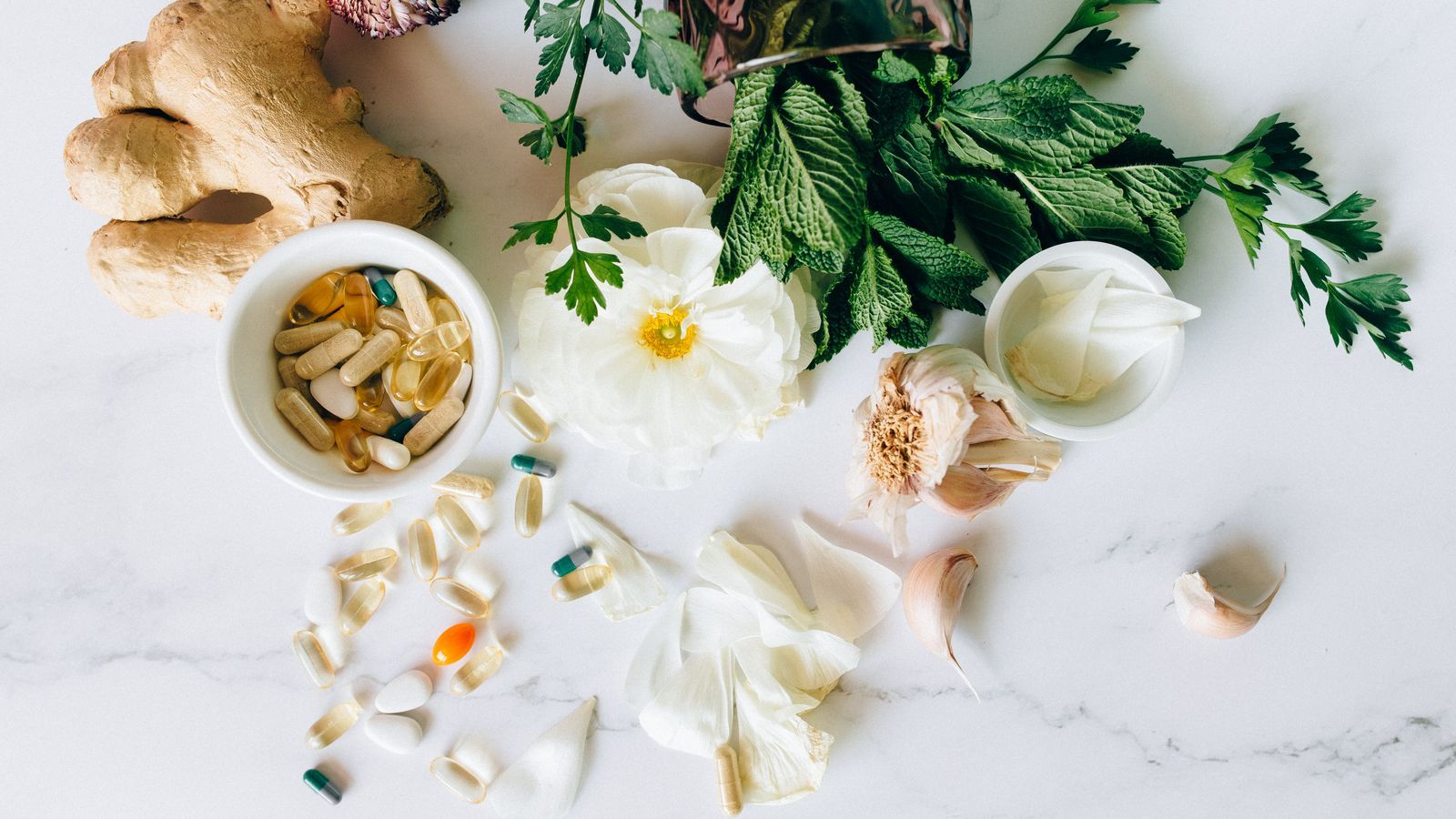
Cramps that start before your period, strong pain during the first two days, or wanting dietary options before drugs.
Quick answer: Foods that help period cramps include sources of omega-3 fats, ginger, magnesium-rich foods, calcium, and vitamin B1, because these nutrients reduce inflammation, relax uterine muscles, or support nerve function; their effects are modest to moderate and usually take several days to weeks to show. Get care if pain prevents daily life, there is fainting, fever, or bleeding changes that worry you.
Many people see some relief from dietary changes, but diet alone rarely eliminates severe menstrual pain. If you have known conditions that cause cramps, such as endometriosis or fibroids, dietary measures can help but will often need to be combined with medical treatments. Read on for what the evidence actually says, practical meals and doses, what is mostly hype, and when to try supplements or other relief options.
What causes period cramps and how food might help
Period cramps, medically called dysmenorrhea, happen when the uterus contracts under the effect of prostaglandins, hormone-like chemicals that increase in the lining before your period. Higher prostaglandins lead to stronger contractions, more inflammation, and pain. Foods and nutrients may help in three ways: by lowering inflammation, by relaxing muscles and nerves, or by correcting nutrient gaps that sensitise pain.
How inflammation and hormones interact. Prostaglandins come from fatty acids in cell membranes. Diets higher in omega-6 fats produce different inflammatory molecules than diets higher in omega-3 fats. Shifting the balance toward omega-3s may reduce prostaglandin-driven cramps. Foods with antioxidant or anti-inflammatory effects, such as ginger, also appear to lower pain in trials.
Muscle relaxation and nerve modulation. Magnesium helps muscle relaxation and nerve excitability, so low magnesium can make cramps feel worse. Calcium influences muscle contraction, and vitamin B1 (thiamine) supports nerve and muscle energy use. When these nutrients are low, cramps can be stronger, and restoring normal levels often reduces pain.
Realistic expectations. Most dietary strategies reduce pain by a meaningful but not complete amount. Trials often report 20 to 50 percent pain reductions for specific interventions like omega-3s or ginger, but effects vary by dose, formulation, and underlying conditions. Diet is a useful, low-risk part of a pain plan, especially combined with targeted treatments listed in our relief overview.
Which foods have the best evidence for easing cramps
There are a few nutrients with repeated positive trials: ginger, omega-3 fats, magnesium, calcium, and vitamin B1. Each works differently, and some have clearer clinical data than others. Below I explain what to eat, typical doses, what studies show, and who should be cautious.
Ginger for period pain
What it is and how it works. Ginger is a root with active compounds that block prostaglandin and leukotriene production, so it lowers inflammation and reduces pain signals. It also can reduce nausea that sometimes accompanies cramps.
What the research shows. Several randomized trials and meta-analyses found ginger effective for primary dysmenorrhea, with pain reductions similar to NSAIDs in some small trials. Most studies used powdered ginger 750 mg to 2,000 mg per day, given in divided doses, starting at the onset of bleeding or one to two days before. A Cochrane-style look across trials describes consistent benefit but notes many studies are small and vary in quality.
How to use food-wise. Fresh ginger in tea or cooking provides some active compounds but exact dose is hard to standardise. Practical options:
- Ginger tea: steep 1 to 2 teaspoons (about 2–4 g) of grated fresh ginger for 10 minutes, two to three times daily during the painful days.
- Powdered ginger: 1,000 mg per day in divided doses is within trial ranges. Over-the-counter supplements often list 500 mg capsules.
Who should be cautious. Ginger is generally safe in culinary amounts. Higher-dose supplements can thin the blood slightly, so talk to your prescriber if you use blood thinners or have bleeding disorders. If you are pregnant, check with your clinician before using medicinal ginger beyond small culinary amounts.
Omega-3 fats (fish oil)
What they do. Long-chain omega-3s, EPA and DHA, come primarily from fatty fish and some algae. They shift inflammatory signaling away from prostaglandins that cause cramping and toward less inflammatory pathways.
Evidence base. Multiple randomized trials show omega-3 supplements reduce menstrual pain and the need for painkillers, often by a moderate amount. Doses in trials vary from 1,000 mg to 3,000 mg of combined EPA and DHA daily, typically for a few menstrual cycles. Some trials show benefits within one cycle; others need two to three cycles to be clear.
Food choices and dosing. Aim to include fatty fish twice a week, such as salmon, sardines, trout or mackerel. For supplemental dosing used in trials, 1,000 to 2,000 mg of combined EPA and DHA daily is typical. Algae-based omega-3s provide DHA and are an option for vegetarians.
Cautions and interactions. Omega-3 supplements can increase bleeding time modestly at higher doses. People on anticoagulants or with clotting disorders should check with clinicians before high-dose fish oil. Choose third-party tested supplements to avoid contaminants.
Magnesium-rich foods and supplements
Why magnesium helps. Magnesium relaxes smooth and skeletal muscle and affects nerve signalling. Low magnesium is linked to more painful cramps and to general muscle tension.
What trials say. Several small trials and systematic reviews suggest magnesium reduces pain severity compared with placebo, though study sizes are modest. Doses used range widely, commonly 250 to 400 mg elemental magnesium per day, often started a few days before menses and continued through the period.
Food sources and practical dosing. Eat magnesium-rich foods daily: leafy greens, nuts, seeds, whole grains, beans, and legumes. If choosing a supplement, check the label for elemental magnesium. Typical supplemental doses for cramps are 200 to 400 mg elemental magnesium daily. Forms such as magnesium citrate or glycinate are better tolerated than magnesium oxide for many people.
Cautions. Magnesium is usually safe at dietary levels. High supplemental doses can cause diarrhea, abdominal cramping, or, rarely, dangerous levels in people with kidney failure. Do not take high-dose magnesium without checking with your clinician if you have kidney disease.
Calcium and vitamin D
The role in cramping. Calcium affects muscle contraction, and some studies link higher calcium intake to lower menstrual pain. Vitamin D supports muscle and immune function and low vitamin D levels correlate with worse cramps in observational research.
What the evidence shows. Trials of calcium supplementation have found reductions in dysmenorrhea severity, particularly in people with low baseline calcium. Vitamin D trials show mixed but promising results, and correcting deficiency is reasonable. Many trials use 500 to 1,000 mg of calcium daily alongside diet.
Food recommendations. Include dairy if you tolerate it, such as yogurt and milk, or fortified plant milks and leafy greens like kale and bok choy. If you have low vitamin D or low calcium intake, a clinician can test levels and suggest supplements.
Cautions. Very high calcium supplements may increase kidney stone risk in some people. Target modest supplementation if dietary intake is low and consider a vitamin D check before large doses.
Vitamin B1 (thiamine)
Why it might help. Thiamine supports energy metabolism in muscles and nerves. Some trials, particularly from smaller research groups, report substantial reductions in primary dysmenorrhea with thiamine 100 mg daily.
Evidence quality. The evidence is promising but limited in size and geography. Thiamine is water soluble and generally safe at trial doses, but the quality of trials varies. If you are interested, trying 50 to 100 mg daily during the luteal phase and bleeding days has been used in studies.
Food sources. Whole grains, fortified cereals, beans, peas, and pork are good thiamine sources. Supplementing may be reasonable when intake is low.
Cautions. High doses are generally safe but discuss long-term use with your clinician. Thiamine does not replace treatment for severe underlying causes of cramps.
Foods and claims that are mostly hype or have weak evidence
Many foods are recommended online for cramps, but the evidence is thin or inconsistent. It helps to separate reasonable but unproven advice from claims that are unlikely to matter.
- Chocolate and cocoa. Moderate chocolate contains magnesium and flavonoids, which could theoretically help, but trials do not show clear benefit and high-sugar chocolate may worsen inflammation. Enjoy in moderation.
- Pineapple and bromelain. Bromelain is an enzyme in pineapple with mild anti-inflammatory effects. There is little direct evidence for cramps, so pineapple is fine as part of a balanced diet but not a proven cure.
- Herbal blends without clear dosing. Many herbal mixes promise to 'balance hormones' but lack rigorous testing, standard doses, or quality control. Herbs can also interact with medications.
- Extremely low-fat diets. Some people report less pain on low-fat diets, but cutting too much fat can reduce omega-3 intake and worsen overall health. Aim for healthy fats rather than very low fat.
If a food makes you feel better and causes no harm, it is reasonable to keep it. The issue is spending time and money chasing single 'miracle' items when consistent dietary patterns and a few evidence-based supplements are more likely to help.
Practical meal and snack ideas for the week around your period
Aim for meals that combine anti-inflammatory fats, magnesium and calcium sources, and whole-food carbohydrates to stabilize energy. Here are realistic examples you can adapt.
- Breakfast: Oatmeal made with fortified plant milk topped with ground flaxseed, sliced banana, and a sprinkle of pumpkin seeds for magnesium. Add a small spoon of nut butter for healthy fats.
- Snack: Plain yogurt with fresh berries and a thin drizzle of honey, or a handful of almonds and an apple.
- Lunch: Spinach and chickpea salad with grilled salmon or canned sardines, a lemon-olive oil dressing, and quinoa for extra magnesium.
- Snack/tea: Fresh ginger tea and a small square of dark chocolate; or carrot sticks with hummus.
- Dinner: Stir-fry with tofu or chicken, broccoli, bok choy, and brown rice, seasoned with fresh ginger and sesame oil.
- Night: If cramps are bad, a small magnesium-rich snack like a banana with almond butter can be calming.
These meals provide omega-3s, magnesium, calcium, and some vitamin B1 while avoiding heavy processed foods that can increase inflammation for some people.
Supplements, doses, and safety in plain language
If you choose supplements, pick evidence-aligned doses and brands with third-party testing. Below are common choices used in trials, with safety notes.
Supplement | Typical trial dose | Safety notes |
|---|---|---|
Ginger | 750–2,000 mg/day | Generally safe; avoid high-dose if on blood thinners without checking |
Omega-3 (EPA+DHA) | 1,000–2,000 mg/day | Can increase bleeding time at high doses; choose tested brands |
Magnesium (elemental) | 200–400 mg/day | Can cause diarrhea; avoid high doses with kidney disease |
Calcium | 500–1,000 mg/day supplemental if diet low | Avoid excess without testing; stone risk in some people |
Vitamin B1 (thiamine) | 50–100 mg/day | Generally safe; limited long-term high-dose data |
Start one change at a time so you can tell what helps. Trials often run for at least one to three cycles, so give an approach a few months unless side effects occur. For persistent pain that limits work or school, standard medical options are usually more effective and should be combined with dietary measures.
How diet fits with other pain relief options
Diet is one tool among several. Nonsteroidal anti-inflammatory drugs such as ibuprofen and naproxen remain the most consistently effective short-term medications for many people with primary dysmenorrhea, because they directly block prostaglandin production. Hormonal methods, including combined pills, the hormonal IUD, the implant, or the patch, reduce or stop periods for many people and can be the best option when cramps are severe despite other measures. See our overview of period relief options at topics/relief for comparisons and next steps.
If you prefer non-pharmacologic steps, combine diet with heat, exercise, paced breathing, and tracking symptoms with the Periodwise Track tool. Heat and movement provide immediate relief for many people while dietary changes reduce baseline pain over weeks.
Common mistakes people make when trying to use food for cramps
- Expecting instant results. Most nutrients need days to weeks to have measurable effects. Trials commonly run multiple cycles.
- Adding many supplements at once. This makes it hard to know what helps and increases side effect risk. Start one at a time.
- Relying on unverified herbal blends. These can be expensive, inconsistent, and interact with medications.
- Cutting food groups without plan. Very low-calorie or restrictive diets can worsen fatigue and make cramps feel worse.
- Ignoring underlying conditions. If cramps appear suddenly worse or do not respond to reasonable measures, see a clinician because conditions like endometriosis or fibroids may need medical care. Our page on conditions explains common causes.
When to see a doctor about menstrual cramps
Severe or changing pain deserves a medical check, especially if pain disrupts your life or is unusual for you.
- Same-day or emergency signs:
- Fainting or near-fainting with pain
- Sharp worsening that is different from your usual cramps
- Fever with pelvic pain
- Heavy vaginal bleeding soaking through more than one pad or tampon per hour for several hours
- Signs of infection after gynecologic procedures
Book a routine appointment if you have:
- Pain that prevents work or school most cycles
- New or worsening pain compared with previous cycles
- Pain that does not respond to recommended NSAIDs and noninvasive measures
- Concerns about conditions such as endometriosis, fibroids, or pelvic inflammatory disease
If you are not sure whether to seek care, our when-to-seek-care guide walks through symptoms step by symptom. You can also ask questions to Sarah, the Periodwise assistant for help deciding what to do next.
How to track whether food changes are helping
Tracking turns an impression into a clear answer. Use a daily symptom tracker and record at minimum: pain severity on a 0 to 10 scale, what you ate, any supplements taken, medication used, and days of bleeding. Use the Periodwise Track app or a simple notebook. Try one change for two to three cycles while keeping other habits steady, then compare average pain scores and painkiller use. If you add a supplement, note start date and any side effects immediately.
Special situations and who the advice does not apply to
- If you are pregnant, some herbal supplements and high-dose nutrients should be avoided. Discuss any supplements with a clinician before use.
- If you have a bleeding disorder or take anticoagulants, check before starting ginger or high-dose omega-3s.
- If you have kidney disease, avoid high-dose magnesium without medical advice.
- If your cramps are new, severe, or come with irregular bleeding, a medical evaluation is important because diet may not address structural or inflammatory causes.
Food, mood, and emotional side effects
If you are using hormonal treatments, remember mood changes can occur and are separate from dietary effects. Nutrients generally do not cause mood swings in normal doses. Eating regular meals and balancing blood sugar can reduce irritability and improve overall coping with pain.
Frequently asked questions
Can ginger really replace ibuprofen for period cramps?
Ginger can reduce menstrual pain and in some small trials has similar effects to NSAIDs, but the evidence is not as strong or consistent as for ibuprofen. If ibuprofen works for you, it remains a first-line short-term option; ginger is a reasonable adjunct or alternative for people who prefer food-based approaches, but it may not fully replace NSAIDs for severe pain.
How much fish or omega-3 do I need to eat to see benefits?
Aim for two servings of fatty fish per week for general health benefits and potential menstrual pain reduction, but trial-level benefits often used concentrated supplements of 1,000 to 2,000 mg combined EPA and DHA per day. If you prefer food only, include salmon, sardines, mackerel or trout twice weekly and consider an algae-based supplement if you do not eat fish.
Which magnesium form is best for cramps?
Magnesium citrate and magnesium glycinate are commonly used because they are better absorbed and gentler on the gut than magnesium oxide, which can cause constipation. If diarrhea occurs, lower the dose or try a different form. Start with 200 mg elemental magnesium and increase carefully as tolerated.
Are there any risks to taking vitamin B1 for cramps?
Thiamine is water soluble and usually safe at doses used in trials, such as 50 to 100 mg daily. Side effects are rare. If you have a specific metabolic condition or take many supplements, check with your clinician. Thiamine does not treat serious underlying causes of pain.
Will changing my diet stop cramps from conditions like endometriosis?
Dietary changes can reduce pain in many people but they rarely stop pain from structural or inflammatory conditions such as endometriosis or fibroids entirely. If you suspect endometriosis or your pain is disabling, discuss evaluation and treatments with a clinician, and see our page on conditions for more.
Can I take omega-3s and ibuprofen together safely?
Yes, combining omega-3 supplements with NSAIDs is commonly done and generally safe for most people, but both affect bleeding time modestly. If you take prescription blood thinners or have a bleeding disorder, check with your prescriber before combining high-dose omega-3s and NSAIDs.
How long before I should expect to see any change after starting dietary changes?
Some people notice improvement within one cycle, particularly with ginger or starting omega-3 supplements, but many trials show clearer effects after two to three cycles. Give a consistent approach at least two cycles before judging its effectiveness, unless side effects occur.
Are there quick foods to eat when pain starts today?
For immediate relief, ginger tea, a warm magnesium-rich snack such as banana with almond butter, and a hot meal with fatty fish if you tolerate it may help. Pair these with heat on your abdomen and gentle movement for faster comfort.
Should teenagers try supplements for cramps?
Dietary approaches like including omega-3s, magnesium-rich foods, and ginger are reasonable for teens, but check with a parent or clinician before starting supplements. Severe or worsening pain in teenagers should prompt medical evaluation; see our guide on irregular periods in teens for more context.
Where can I find more help combining diet with medical options?
If diet alone does not give enough relief, talk with a clinician about NSAIDs, hormonal options, or other therapies. Our relief guide compares medical options and the birth control match quiz can help you consider hormonal methods that may reduce cramps. You can also ask Sarah, the Periodwise assistant for help figuring out next steps.
Know someone who should read this?
Most of us learn this from a friend, not a doctor.