
Exercise on Your Period: How to Train, Rest, and Feel Better
On heavy days, when cramps flare, or if you just don’t feel like moving. This guide sorts out what the evidence says about exercising on your period, how workouts can ease cramps, how to handle heavy-day logistics, and when you should rest or seek care.
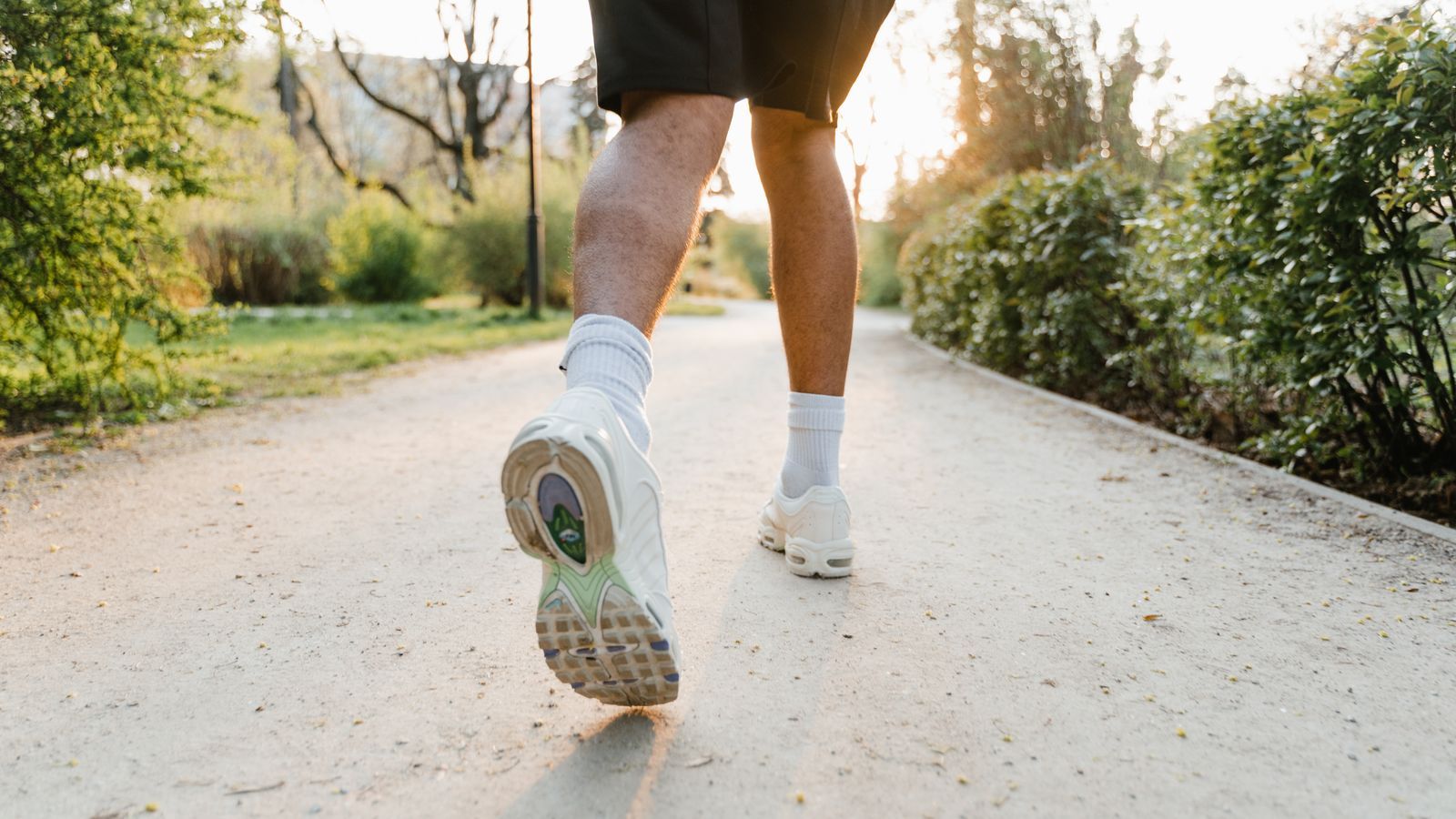
Heavy flow, bad cramps, low energy, or wondering if a workout will help.
Quick answer: Exercising on your period is safe for most people and can reduce cramps, bloating, and mood symptoms, but intensity and comfort vary by day and condition; choose gentle movement on heavy or painful days and higher intensity when you feel up to it. Get checked if bleeding is doubled from your usual, pain stops you functioning, or you have fever or fainting.
Why exercise can help period cramps and mood
What cramps are, in simple terms. Period cramps are caused by uterine muscle contractions driven by hormone-like chemicals called prostaglandins, which narrow blood vessels and increase pain signals. Exercise changes blood flow, releases natural pain-relieving chemicals, and shifts attention away from pain, so it can reduce cramp intensity for many people.
How movement reduces pain. Exercise triggers the release of endorphins, which are natural opioids the body makes that blunt pain. Physical activity also increases blood flow to muscles and the pelvis, which can ease ischemia, or low blood flow, that contributes to cramping. Low-impact activities like walking or gentle cycling often produce small to moderate reductions in perceived pain in trials, and many people report similar benefits in real life.
Mood and cognitive benefits. Regular aerobic exercise is linked to improved mood and reduced anxiety in many studies, and short bouts of activity during a period can boost mood by shifting neurotransmitters such as serotonin and dopamine. This is not a cure for severe PMS or PMDD, but for mild-to-moderate premenstrual or menstrual low mood, exercise is a reliable tool.
Limits of the evidence. Studies vary in size and method; many are small or rely on self-report. That said, the pattern across trials and reviews supports recommending movement as an adjunct to other pain relief strategies rather than the sole treatment for severe pain.
Working out on your period: general rules to follow
Start with how you feel. There is no rule that you must stop exercising because you have your period. Use perceived exertion and pain as your guide. If you can talk while you move, moderate aerobic work is usually safe. If pain or bleeding makes movement hard, scale back.
Match intensity to symptoms. On light-flow days or when cramps are mild, steady-state cardio, strength training at moderate loads, and interval work are usually well tolerated. On heavy or painful days, prefer low-impact options: walking, gentle yoga, pilates, or light resistance training with more rest between sets.
Hydration and nutrition matter. Periods can increase fluid needs because prostaglandins affect vascular tone, and blood loss removes iron. Drink regularly, prioritize iron-rich meals or a supplement if you have diagnosed iron deficiency, and include quick carbohydrate snacks around workouts if you feel low on energy.
Clothing and period products for comfort. Wear comfortable clothing and choose period protection that suits the activity: tampons, menstrual cups, or period underwear for running and higher-impact work; pads or underwear for gentle sessions. Trial a product outside a long run or class first to avoid surprises.
Modify key moves. If squats, deadlifts, or heavy core work increase pelvic pain, reduce load, reduce range of motion, or swap to machine or band variations. Listen to pain signals and avoid continuing a move that causes sharp or radiating pain.
Running on your period: practical tips and performance notes
Running is okay for most people. Most runners can continue their usual mileage and intensity while menstruating. Many find runs feel easier mid-cycle and harder in the few days before and during the heaviest flow. Pain and fatigue can reduce pace naturally; adjust expectations.
Logistics for heavy days. For long runs on heavy days, consider a combination of a tampon or menstrual cup and period underwear as backup. Bring spare protection, wipes, and a small plastic bag for used items. Plan routes near restrooms if leakage is a major worry.
Performance and training cycles. Research on performance variation across the menstrual cycle is mixed but suggests small average effects. Individual responses differ: some athletes notice reduced aerobic performance in the luteal phase, others do not. Track your training with a diary or an app like our Track to see your personal pattern.
Pain management on runs. If cramps flare mid-run, slow to a walk, use diaphragmatic breathing, and try pelvic-floor relaxation cues. Nonsteroidal anti-inflammatory drugs (NSAIDs) such as ibuprofen can work well for cramp pain when taken earlier in the day, but avoid if you have stomach ulcers, kidney disease, or other contraindications and check with your prescriber for chronic use.
When to skip a session. Skip or shorten a run if you feel dizzy, faint, have severe pain that is not relieved by rest and medication, or if bleeding is so heavy you cannot manage it safely while out. Our when to seek care pages explain emergency signs in detail.
Cycle syncing workouts: does timing exercise with your cycle help?
What cycle syncing means. Cycle syncing is the idea you should change training by menstrual cycle phase: heavier strength or higher intensity in the follicular phase, lighter cardio in the luteal and period phases. The theory uses hormonal changes, estrogen rises then falls, progesterone rises then falls, to justify programming.
Evidence summary. The scientific evidence for a one-size-fits-all cycle-synced training plan is limited. Some studies show small advantages for strength or power gains when training is concentrated in the follicular phase, but many well-controlled trials find no significant difference once total training load is matched. Most experts agree that individual variation is large: some people perform better in certain phases, others see no effect.
How to try it sensibly. If you want to experiment, follow these practical steps: track your cycle for at least three months, record how you feel during workouts, and compare performance and recovery. Adjust only one variable at a time, such as increasing strength work during the week after your period. If it helps your motivation or recovery, keep it. If it adds stress, stop.
Who should not rely on cycle syncing alone. People with irregular cycles, hormonal contraception that suppresses ovulation, or conditions like polycystic ovary syndrome may not have predictable hormonal patterns, so cycle syncing will likely not match their physiology. Read our explainer on how the menstrual cycle works for the basics.
Does exercise help cramps: what the research shows
Short answer from trials. Multiple small studies and reviews find that aerobic exercise, stretching, and targeted movement can reduce menstrual pain modestly to moderately. The effect size is comparable to some non-prescription interventions, though not as large as what some medications offer.
Why different studies vary. Trials differ in exercise type, duration, and participant selection. Some use yoga, others use moderate-intensity aerobic sessions, and outcomes are subjective pain scores. These variations mean the precise effect size is imprecise, but the direction of benefit is consistent.
Types of movement that help. Aerobic exercise (walking, cycling), yoga sequences that include pelvic-opening poses, and core work that focuses on relaxation rather than tension are most consistently reported to help cramps. Strength training can be beneficial for long-term pelvic health and may reduce period pain over months as pelvic musculature and posture improve.
How to use exercise as part of pain control. Combine movement with other options for best results: timed NSAIDs when appropriate, heat application, and adequate rest. For example, a 20 to 30 minute brisk walk plus 15 minutes of restorative yoga or stretching often gives noticeable relief for many people.
When exercise won't be enough. Severe dysmenorrhea that prevents work or school, or pain not helped by NSAIDs and movement, needs evaluation for conditions such as endometriosis or adenomyosis. See our section on when to seek care below and our page on conditions for more.
Heavy flow days: adapting workouts and logistics
Heavy bleeding is manageable for many activities. Heavy flow does not automatically mean you must stop exercising. The main challenges are logistics and comfort. Choose period products that handle volume, shorten workouts if needed, and train near facilities.
Period product choices by activity. For high-impact workouts like running or jumping, a menstrual cup or a tampon plus period underwear backup gives more security. For swimming, use a tampon or a menstrual cup. For gentle indoor workouts, full-coverage period underwear or a pad may be enough. Test combinations before long or important sessions.
Adjust training load on heavy days. If you are losing a lot of blood or feeling faint, reduce intensity and focus on technique rather than load. Heavy resistance work increases core pressure and can feel worse with heavy bleeding and abdominal pressure; lower loads and higher repetitions if that helps.
Iron and energy support. Heavy flow increases the risk of iron deficiency over time, which worsens fatigue and recovery. If you have heavy periods regularly, get a blood test for hemoglobin and ferritin and consider talking to Planned Parenthood, your primary care, or a gynecologist about testing and treatment. Our relief page outlines medical options that can reduce heavy bleeding if needed.
Practical checklist for heavy-day workouts:
- Bring backups, spare underwear, wipes, and extra protection.
- Plan shorter routes with restrooms nearby.
- Use cooling or absorbent layers, dark workout shorts, and a towel for travel home.
- Monitor symptoms such as dizziness, palpitations, or severe weakness; stop and seek care if they occur.
Strength training while on your period: what to change, if anything
Strength training is safe and beneficial. Lifting weights during your period builds muscle, supports bone health, and may reduce long-term pain by improving pelvic and core support. Many people can continue normal strength sessions during menstruation.
When to reduce load. Reduce load or volume if you feel weak, dizzy, or your technique suffers due to pain. Prioritize exercises that feel comfortable. Substitute heavy compound lifts with single-joint or machine work if pelvic pressure or cramping increases during squats or deadlifts.
Warm-up and breathing. A longer warm-up with dynamic mobility and light aerobic work helps reduce acute stiffness and pain. Focus on exhaling during exertion and avoid breath-holding, because Valsalva maneuvers can increase pelvic pressure and discomfort for some.
Programming tips. Use autoregulation: base sets and reps on how you feel rather than a rigid plan on heavy days. If following period-based programming, consider lower volumes during the first two days of bleeding and higher loads in the mid-follicular window if that matches your energy.
Recovery and sleep. Heavy training without adequate sleep or nutrition increases injury risk and can exacerbate period symptoms. Prioritize quality sleep and protein intake around sessions to support recovery.
Low-impact workouts that help when you need gentleness
Best low-impact choices. Walking, swimming, cycling at an easy pace, restorative yoga, pilates, and gentle mobility circuits reduce pain and maintain fitness without stressing joints or the pelvis. These activities increase blood flow and endorphins while minimizing strain.
Short sessions pack a punch. Even 10 to 20 minutes of low-intensity movement can improve mood and decrease perceived pain. Use a short walking loop, a yoga flow focused on hip-openers and pelvic-floor relaxation, or a light stationary bike session.
Yoga poses and breathing to try. Gentle poses such as child's pose, supine twist, supported bridge, and reclining bound angle can relax pelvic muscles. Pair poses with slow diaphragmatic breathing to reduce sympathetic nervous system activity and ease cramping.
When to avoid certain moves. Skip deep inversions, extreme core tension, or long hot yoga sessions if they increase lightheadedness or nausea during menstruation. Modify with props and shorter holds.
Table: exercise intensity and recommendations by flow and symptoms
Flow and symptom | Suggested intensity | Types of activity | Practical tips |
|---|---|---|---|
Light flow, low pain | Moderate to high | Running, strength, HIIT | Hydrate, track energy |
Moderate flow, mild cramps | Moderate | Brisk walking, cycling, gym circuits | Shorten sessions if tired |
Heavy flow, moderate pain | Low to moderate | Walking, gentle strength, yoga | Use secure period products |
Severe cramps or fainting | Rest to low | Rest, breathing, gentle stretching | Use heat, seek care if severe |
Known condition (endometriosis) | Individualised | Low impact preferred | Work with specialist for plan |
When to see a doctor about period pain or exercise problems
If your period pain or bleeding interferes with exercise regularly, get it checked. Below are warning signs for urgent care and for routine appointments.
- Severe, sudden pelvic pain that is unlike your usual cramps, especially with fever or fainting
- Heavy bleeding soaking through two pads or tampons in an hour repeatedly, or passing large clots with lightheadedness
- Signs of infection after pelvic procedures, such as fever, foul discharge, or severe pain
- Chest pain, shortness of breath, or sudden weakness during exercise
Book a routine appointment if you have:
- Period pain that stops you from attending work or training most cycles
- Increasingly heavy periods or suspected iron-deficiency symptoms such as persistent fatigue
- Symptoms suggesting conditions like endometriosis, fibroids, or ovarian problems
If you are unsure, start with a telehealth visit or Planned Parenthood to triage symptoms, or ask Sarah, the Periodwise assistant for help deciding where to start. Early evaluation can prevent worsening and help you keep training safely.
Managing mood swings and energy during workouts
Mood swings are common. Hormonal changes around your period alter neurotransmitters and sleep, which affects motivation and energy. Exercise can lift mood, but it can also feel harder; honour that fluctuation.
Use short, achievable sessions. When motivation is low, set a goal for a 15-minute walk or a quick mobility routine. Finishing a short session often lifts mood and makes it easier to do more.
Social and habit supports. Plan low-pressure workouts with a friend, join a class, or set up a small reward for completing movement. Habit beats motivation on low-energy days.
Sleep and nutrition tie in. Fixing bad sleep or low-carb choices during your period can have a bigger effect on mood and energy than changing the workout itself. See our posts on period fatigue for detailed strategies.
Special situations: contraception, conditions, and medications
Hormonal birth control changes things. If you use continuous hormonal methods or progestin-only contraception, your bleeding pattern and symptoms may be different, so cycle-based training advice may not apply. See specific pages on the combined pill or IUD in our relief section for more on how contraception affects bleeding and symptoms.
Endometriosis, adenomyosis, fibroids, PCOS. These conditions can make pain worse or cause heavy bleeding, and exercise recommendations must be individualised. Work with a specialist; exercise may help symptom control but will not replace medical or surgical treatment for these conditions. For more detail, see our conditions overview.
Medications to consider with exercise. If you take NSAIDs regularly for cramps, be cautious about gastrointestinal or kidney side effects, especially with dehydration during exercise. If on anticoagulants or with bleeding disorders, heavy exercise and contact sports may require extra planning; discuss with your prescriber.
How to test what works for you: a simple 8-week experiment
Step 1, baseline tracking. For two cycles, track flow, pain, energy, and performance metrics like run time or training loads using our Track tool or a notebook.
Step 2, choose one variable. Decide whether to test cycle syncing, changing intensity, or prioritising low-impact days during bleeding.
Step 3, implement for two cycles. Keep other variables constant: sleep, nutrition, and overall training load. Record how symptoms and performance change.
Step 4, review and adapt. Compare data across cycles. If you feel better and performance is maintained or improved, keep the change. If not, try a different tweak. If severe symptoms persist, seek medical review.
Frequently asked questions
Can exercise stop my period early?
No, exercise does not reliably stop an ongoing period. Intense exercise over time can alter menstrual cycles by affecting hormones, but a workout will not end bleeding that has already started. If your periods change unexpectedly, consider tracking and discussing with a clinician.
Is it safe to do HIIT on your period?
Yes, if you feel well, HIIT is safe for most people during menstruation. Expect perceived exertion to be higher on days with heavier bleeding or cramps, and scale intervals or rest as needed. Avoid pushing through severe pain or dizziness.
Will exercising worsen heavy bleeding?
No, exercise itself does not make periods heavier in the short term. However, intense training combined with low iron stores can make you feel worse. If you have consistently heavy bleeding, get checked for iron deficiency and causes of heavy flow.
Should I avoid core work during my period?
Not necessarily; gentle core work is fine and can support pelvic function, but avoid maximal or breath-holding lifts if they increase pain. Modify exercises that place excessive downward pressure on the pelvis, and focus on gentle activation and breathing.
Do elite athletes perform differently across their cycles?
Some elite athletes report small changes in strength or endurance across cycle phases, but studies show mixed results and large individual variation. Many athletes use tracking to tailor training, not a universal rule. If you compete, trial adjustments in training cycles and consult your coach or sports clinician.
Can yoga really help menstrual cramps?
Yes, restorative and gentle yoga commonly reduces cramp intensity for many people. The benefits likely come from improved blood flow, muscle relaxation, and breathing-related reductions in pain sensitivity. Yoga is safe for most; avoid hot, intense classes if feeling faint.
When should I stop exercising and go to the emergency room?
Stop and seek emergency care if you have sudden severe pelvic pain unlike your usual cramps with fever or fainting, or if you are soaking multiple tampons or pads per hour and feel lightheaded. For a full list, see our emergency signs at when to seek care.
Can exercise help if I have endometriosis?
Exercise may reduce pain and improve quality of life for people with endometriosis, but it is not a replacement for medical or surgical treatments. Work with a specialist to build an individualized plan that balances symptom relief and safe training.
How long before exercise reduces cramps?
Many people notice some pain relief during or within a few hours after a session, especially for aerobic or stretching-based movement. Long-term reductions in baseline pain may take weeks to months of regular training.
Is it okay to swim while on your period?
Yes, swimming is safe during menstruation. Use a tampon or menstrual cup for the pool, and remember that water pressure can slow bleeding while submerged, so you may see more flow afterward. Bring backup protection for after your swim.
Know someone who should read this?
Most of us learn this from a friend, not a doctor.