
Going Off Birth Control: What Your First Few Cycles Might Actually Do
Coming off hormonal birth control? Here is what your first few cycles can really look like, when fertility returns, and what is worth a call to your provider, from Periodwise.
Quick answer: When you stop hormonal birth control, your body needs time to restart its own cycle, and the first few months can be unpredictable. Periods may be irregular, cramps and PMS can come back, and skin sometimes flares before it settles. For most methods your fertility can return almost immediately, so if you are not trying to get pregnant you need another form of contraception in place from the day you stop. The Periodwise approach is to expect a few bumpy cycles, track what changes, and know the specific signs that deserve a provider’s attention rather than waiting them out.
People come off birth control for all kinds of reasons. Maybe a method stopped agreeing with you, maybe you want to try something different, maybe you are thinking about getting pregnant, or maybe you just want to see what your own cycle does without it. Whatever the reason, the months right after you stop can feel a little unfamiliar, and knowing what is normal makes the whole thing much less alarming.
Why there is an adjustment at all
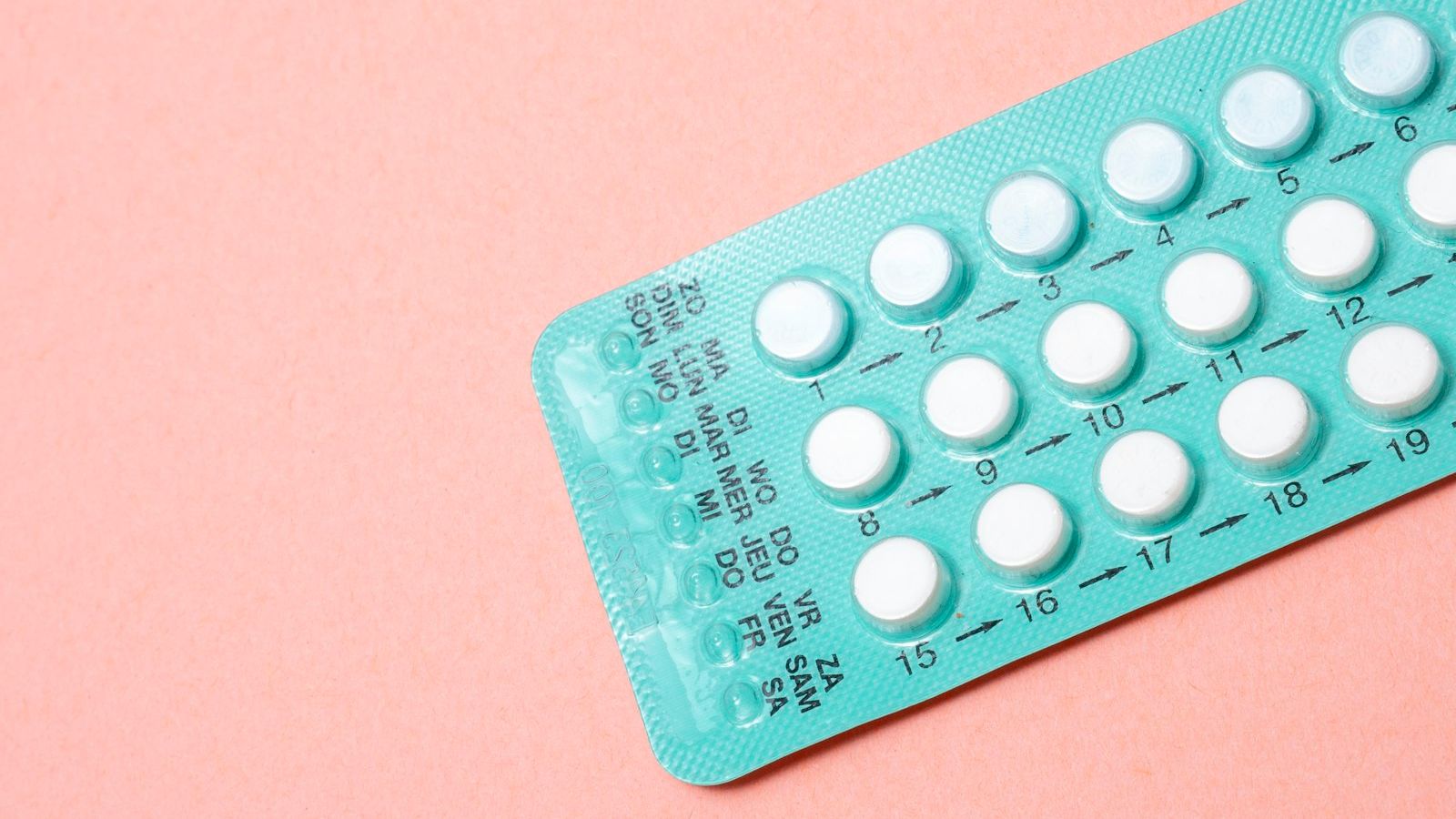
Hormonal birth control works by supplying steady hormones that, depending on the method, stop ovulation, thin the lining of the uterus, or thicken cervical mucus. Your own hormonal cycle goes quiet while you are on it, because the method is doing the work for you. When you stop, that outside supply disappears and your body has to pick the cycle back up on its own, restarting the back-and-forth between your brain and ovaries that triggers ovulation and a true period. That restart is rarely instant, and the gap is where most of the first-few-cycles strangeness comes from.
How long the restart takes depends a lot on which method you are coming off, which is worth saying early because the timelines really are different. Pills, patches, and rings clear your system within days. A hormonal IUD or implant stops acting as soon as it is removed. The contraceptive injection is the outlier, and it can keep affecting your cycle for months after the last dose. There is more on that below.
The bleed you had on the pill was not a period
This surprises a lot of people. The monthly bleed on the combined pill, patch, or ring is a withdrawal bleed, not a true period. It happens because you drop the hormones during the placebo or break week, not because your body completed an ovulatory cycle. It was scheduled by the packet, which is also why it tended to be lighter and more predictable than the periods you might remember from before you started.
Your first bleed after stopping is usually still a withdrawal bleed. Your first real period, the kind that follows ovulation, generally arrives a few weeks after that, once your body has run a full cycle on its own. So the timeline people expect, the impatient "I stopped, where is my period?", is often just the lag between the last withdrawal bleed and the first natural one. If you were on a progestin-only method, the pattern can look different, since many people did not have a regular bleed on those to begin with. Periodwise has a separate guide comparing birth control methods if you want the background on how each one behaves.
Your fertility can come back right away
This is the part to take seriously even if pregnancy is the last thing on your mind. For pills, patches, rings, the implant, and the hormonal IUD, ovulation can resume within days to weeks of stopping, sometimes before your first period arrives. Because you ovulate roughly two weeks before a period shows up, it is entirely possible to get pregnant in that first cycle without ever seeing a warning bleed first.
The practical takeaway is simple. If you are stopping for any reason other than trying to conceive, have another method ready to go from the day you stop, whether that is condoms, a different hormonal method, or something non-hormonal. Do not wait for your cycle to settle first, because the settling and the fertility are not on the same schedule.
The one method that works differently here is the contraceptive injection, often called the shot or Depo. After the last injection it can take several months, and for some people up to a year or more, for ovulation and regular cycles to return. That delay is normal for the shot and not a sign that anything is wrong, but it does mean the timeline for getting pregnant after the injection is much longer and less predictable than the others.
What the first few cycles often look like
No two people get the same experience, but a handful of changes are common enough to expect. Most of them ease over a few months as your own rhythm re-establishes itself.
Irregular timing
Your cycles may be longer, shorter, or simply unpredictable for the first two or three months, and spotting between periods is common while things recalibrate. This is usually nothing to worry about on its own, even though it can be inconvenient when you are trying to plan around it.
Heavier or crampier periods
Hormonal methods often lighten bleeding and ease cramps, so once you stop, your periods may go back to whatever they were like before, or to whatever your body does naturally now. If you started birth control young, you might not have a clear before to compare against, and the periods that arrive can feel like new information about your own body rather than a return to something familiar.
PMS and mood changes
Cycle-related mood shifts that the pill smoothed over can return. For some people this is mild, for others more noticeable. If your method was prescribed partly to manage severe premenstrual mood symptoms, this is worth raising with your provider before you stop rather than after, so you have a plan ready.
Skin changes
Acne is one of the most common complaints after stopping, especially if your method was helping your skin. It often flares in the months after you stop and tends to peak somewhere around three to six months before improving again.
Other shifts
Some people notice changes in libido, breast tenderness, headaches, or some hair shedding a few months after stopping, and many of these are temporary. It is worth saying that not all of the changes run in the difficult direction. Plenty of people feel better off a method, with more energy or a clearer sense of their own cycle, and that is a real and common outcome too.
How long it usually takes to settle
For most methods other than the shot, cycles tend to find a rhythm within about three months. Some people are regular again by the first or second cycle. Others take the full three months, and a few take a little longer, particularly if their cycles were irregular before they ever started birth control.
A useful way to think about it is that birth control does not cause long-term problems with your cycle, but it can mask what your cycle was already doing. If you had irregular or painful periods before, those patterns may simply reappear, because the method was managing them rather than curing them. That is not the pill damaging your body. It is your underlying cycle becoming visible again, which is useful information even when it is unwelcome.
When to talk to a provider
Most of the first-few-cycles changes settle on their own. A few are worth a conversation:
- No period at all within three months of stopping, sometimes called post-pill amenorrhea. This can simply mean your body is taking its time, but it can also point to something like PCOS or a thyroid issue that the method was covering, so it is worth checking.
- Periods that are very heavy, soaking through protection quickly, or lasting much longer than they used to.
- Severe pain that interferes with your normal life, which is always worth investigating rather than enduring.
- Cycles that stay highly irregular well past the three-month mark.
- Any chance you could be pregnant, especially if a period is late and you had unprotected sex after stopping.
There is also a category that is less about red flags and more about planning ahead. If your birth control was treating a specific condition, such as endometriosis, PCOS, very heavy periods, or premenstrual dysphoric disorder, stopping may bring those symptoms back, and that is better planned with your provider than discovered on your own. Periodwise is an education resource, not a substitute for a clinician, and this is exactly the kind of decision that benefits from a real conversation with someone who knows your history.
A simple way to track the change
The single most useful thing you can do in the first few months is write things down. Note when you bleed, how heavy it is, any spotting, cramps, skin changes, and mood. You do not need anything elaborate, since a notes app, a paper calendar, or a cycle-tracking app all do the job equally well.
Tracking earns its keep in two ways. It shows you what your own settled cycle actually looks like, which you may be learning for the first time. And it gives your provider real information if you do end up needing that appointment, which makes the visit far more productive than trying to reconstruct three months of vague details on the spot. If you want a starting point for what to record and what counts as normal, Sarah, the Periodwise assistant, can talk you through it.
A simple starting point
If you want the short version: expect a few unpredictable cycles, line up another method from day one unless you are trying to conceive, track what changes, and give it about three months before you judge what your natural cycle is doing. Flag a missing period at the three-month mark, and bring any severe pain or very heavy bleeding to a provider sooner.
Frequently asked questions
These are the questions Periodwise readers ask most about coming off birth control.
How long after stopping birth control will my period come back?
For pills, patches, rings, the implant, and the hormonal IUD, your first natural period usually arrives within four to six weeks of stopping, after an initial withdrawal bleed. The contraceptive injection is different and can take several months to over a year. If you have no period at all within three months, check in with a provider.
Can I get pregnant right after stopping birth control?
Yes, and often sooner than people expect. Ovulation can return within days to weeks for most methods, sometimes before your first period. If you are not trying to conceive, use another method from the day you stop.
Why is my acne worse after stopping the pill?
If your pill was helping your skin, stopping removes that effect, and acne commonly flares in the following months, often peaking around three to six months before settling. A consistent skincare routine helps while your skin readjusts, and Periodwise has a guide to premenstrual breakouts with the specifics.
Is it normal to have irregular periods after stopping?
Yes, particularly for the first two to three months. Longer, shorter, or unpredictable cycles and some spotting are common while your body restarts its own rhythm. If the irregularity continues well past three months, it is worth a conversation with your provider.
Does being on birth control for a long time make it harder to get pregnant later?
No. Long-term use of the pill and most other methods does not reduce your future fertility. Aside from the injection’s longer tail, fertility generally returns on a similar timeline whether you were on it for one year or ten.
Should I take a break from birth control every so often?
There is no medical need to take routine breaks from hormonal birth control for its own sake. Breaks do not reset anything, and they leave you unprotected. If you want to stop for your own reasons that is completely valid, but you do not need to do it just to give your body a rest.
My periods were terrible before I started. Will they be that bad again?
They might, because birth control often manages difficult periods rather than permanently changing them. If your periods were very heavy or very painful before, that is worth investigating now rather than simply re-enduring, since there may be an underlying cause and better options than there used to be.
Know someone who should read this?
Most of us learn this from a friend, not a doctor.