

IUD Insertion: What to Expect, and How to Handle the Cramps After
What actually happens during an IUD insertion, how much it hurts and why, what to ask for so it hurts less, and how to feel human again in the days after, including a plain-language guide to which painkiller to reach for, from Periodwise.

What actually happens during an IUD insertion, how much it hurts and why, what to ask for so it hurts less, and how to feel human again in the days after, including a plain-language guide to which painkiller to reach for.
Quick answer: An IUD insertion is a quick in-office procedure, usually under five minutes, where a small T-shaped device is placed into your uterus through your cervix. Most people feel cramping, and for a lot of people it is genuinely intense for a few moments, so it is worth asking your provider ahead of time about numbing options like lidocaine. Afterwards, expect cramping and spotting that eases over a few days, with irregular bleeding for the first few months while your body settles. For the cramps, an anti-inflammatory painkiller like ibuprofen (Advil) or naproxen (Aleve) works better than acetaminophen (Tylenol), because period-style cramps are driven by inflammation.
What an IUD actually is
An IUD is a small, flexible, T-shaped device that sits inside your uterus and prevents pregnancy for years at a time. It is one of the most effective forms of birth control there is, with a failure rate under one percent, and once it is in it keeps working on its own in the background, so there is nothing to remember daily or monthly.
There are two families to know about. Hormonal IUDs (brands like Mirena, Kyleena, Liletta, and Skyla) release a small amount of a progestin called levonorgestrel. Over time they tend to make periods much lighter, and for some people periods stop altogether. Copper IUDs (like Paragard) are hormone-free and use a tiny amount of copper to prevent pregnancy, which makes them a good fit if you would rather avoid hormones, though they can make periods heavier and crampier, especially in the first few months.
If you are still weighing up which type suits you, or whether an IUD is the right method at all, that decision comes first. You can build a personalised pain plan and get a birth control recommendation, or take the hormonal IUD quiz to see which brand might fit you best.
Getting an IUD placed
A simple look at how the device is placed. Step through it below.
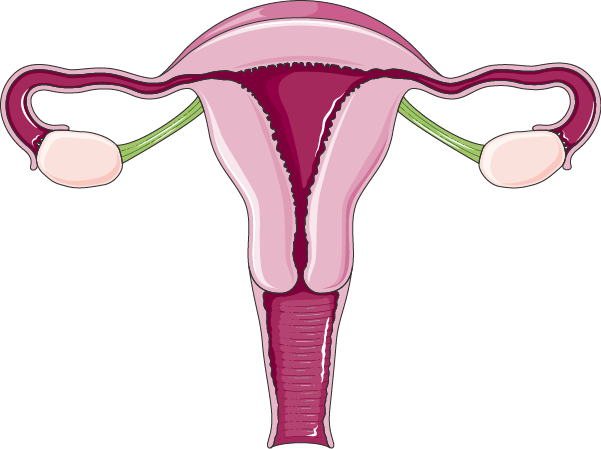
Where it goes
Folded inside a thin tube, the IUD is guided up to the top of the uterus.
Before the appointment
A few things make the day go more smoothly.
Eat something first. People occasionally feel lightheaded or queasy during or right after the procedure, and going in on an empty stomach makes that more likely.
Ask about pain relief in advance, not on the table. This is the big one, and it is new-ish advice worth taking seriously. Ask your provider what they offer for pain, and specifically whether lidocaine (a numbing medicine) is on the table. More on this below.
Take a painkiller beforehand if your provider suggests it. Many providers recommend taking ibuprofen (Advil) or naproxen (Aleve) about an hour before your appointment. Be honest with yourself here: the evidence that these blunt the actual moment of insertion is fairly weak, but they do help with the cramping that follows, so they are still worth taking.
Bring backup. A pad or period underwear for spotting afterwards, comfy clothes, and if you can, someone to walk or drive you home. You will most likely feel fine, but it is nicer not to have to power through a bus ride solo if you are crampy.
Timing. You can have an IUD placed at almost any point in your cycle. Some providers like to place it during or just after your period, when the cervix is a little softer, but this is not a hard rule, so go with what your clinic advises.
What happens during the insertion
The whole thing is quick, often under five minutes for the placement itself. Here is the sequence so nothing catches you off guard.
The setup. You lie back the same way you would for a Pap test, and your provider inserts a speculum to see your cervix. They will clean the cervix with an antiseptic.
The measuring. Your provider often uses a thin instrument to gently steady the cervix and to measure the depth and angle of your uterus. This step is the one that tends to cause a sharp cramp for a lot of people, so it helps to know it is coming and to breathe slowly through it.
The placement. The IUD arrives folded inside a thin tube. The tube passes through the opening of your cervix into your uterus, the arms of the T open out, and the tube is removed. There are two thin strings attached to the bottom of the IUD, which your provider trims so that just a short length sits high in the vagina. You will not usually feel the strings day to day, and neither will a partner, most of the time.
Done. The speculum comes out, and you sit up when you are ready. Cramping right afterwards is normal, and this is a good moment to sit for a few minutes rather than leaping straight up.
Does it hurt, and what can help
Here is the honest version, because you deserve it. Pain during IUD insertion is real, common, and varies a lot from person to person. In one study of over a thousand people, roughly half described the insertion as intensely painful, and about a third described it as moderate. A smaller group barely felt it. So if you have seen alarming stories online, they are not made up, but they are also not everyone’s experience.
Pain tends to be higher if you have a tighter or more sensitive cervix, a tilted uterus, or if you go in anxious, which is completely understandable. What matters is that you now have more options than people did a few years ago.
In 2024 the CDC updated its guidance and, for the first time, told providers to counsel patients on pain management before an IUD placement. The headline change: lidocaine, a numbing medicine, "might be useful" for reducing pain, whether as a gel, cream, or spray applied to the cervix, or as an injection near the cervix called a paracervical block. Professional guidance from ACOG has since echoed this. The same updates advised against routinely using misoprostol (a cervix-softening drug that tends to cause its own cramping) unless there is a specific reason.
So what does that mean for you, practically?
- Ask directly whether they offer topical lidocaine or a paracervical block. It is a low-risk, quick intervention, and you are allowed to request it.
- Know the limits. Numbing helps with the sharp procedure pain, but it does not erase the cramping, which is your uterus responding to something new inside it. It is a real improvement, not a magic switch.
- Line up your anti-inflammatory for the cramping part (Advil or Aleve), which is where over-the-counter (OTC) painkillers actually earn their place.
- You can ask to pause. If you need a moment mid-procedure, say so. A good provider will work with you.
The first 24 hours after
Expect cramping, a bit like a normal-to-strong period, for the rest of the day and possibly into the next. Some spotting or light bleeding is normal too. Feeling a little wiped out or emotionally flat right after is common and passes.
What helps in that first day:
Heat. A heating pad or a stick-on heat patch on your lower belly is genuinely one of the most effective things for cramps, because warmth relaxes the uterine muscle.

An anti-inflammatory painkiller. This is where Advil or Aleve does its best work. See the breakdown below for which to pick.
Rest and gentle movement. You do not need to be on bed rest, but this is a good evening to go easy. Light movement, a warm bath, and something cosy help more than pushing through a hard workout.
Track how you feel. Mild, easing cramps are expected. Pain that climbs rather than settles is worth flagging, which we cover in the warning-signs section.
The first few weeks and months
Your body takes a while to get used to an IUD, and the settling-in period is the part people are least warned about, so here is the real timeline.
Irregular bleeding is normal for the first three to six months. Spotting between periods, longer periods, or unpredictable timing are all common early on as your body adjusts. It is annoying, not usually a problem.
Hormonal IUDs tend to make periods progressively lighter over those first months, and many people end up with very light periods or none at all. That is expected and safe.
Copper IUDs can do the opposite at first, with heavier, crampier periods that usually calm down after the first several months. If your flow is heavy while you adjust, our guide to heavy flow and overnight leaks is worth a read.
Checking your strings. Your provider may show you how to feel for the two thin strings high in your vagina, so you can occasionally confirm the IUD is in place. They should feel like soft threads. If you ever feel the hard plastic of the device itself, or cannot feel the strings at all, that is worth a call.
Whatever kind of cramps you are dealing with while you settle in, you do not have to guess at what will help. You can browse all the relief options in one place.
Advil vs Aleve vs Tylenol: which painkiller to reach for
This trips up so many people, partly because the three most common painkillers are sold under brand names that hide what they actually are. Here is the plain version.
The reason it matters is that period cramps, and the cramping after an IUD insertion, are largely driven by prostaglandins, inflammatory chemicals your uterus releases to make itself contract. An anti-inflammatory painkiller lowers those prostaglandins, which is why it treats the actual cause, not just the feeling. That single fact decides the winner.
Advil is ibuprofen. It is an NSAID, meaning a non-steroidal anti-inflammatory drug. It brings prostaglandins down, so it targets cramps at the source. It kicks in fairly fast, in roughly twenty to thirty minutes, and lasts about four to six hours, so you redose more often but have more control. Take it with food to be kinder to your stomach.
Aleve is naproxen. Also an NSAID, same anti-inflammatory mechanism as ibuprofen, so it also treats cramps at the source. Its main advantage is that it lasts much longer, around eight to twelve hours per dose, which means fewer pills across the day and better overnight coverage. Take it with food too.
Tylenol is acetaminophen (called paracetamol in the UK). This one is the odd one out: it is not an NSAID and it does not lower prostaglandins. It quiets the pain signal rather than the inflammation causing it, so for cramps specifically it tends to be the weakest of the three. Where it shines is as the option for people who cannot take NSAIDs, and it is gentler on the stomach.
Advil (ibuprofen) | Aleve (naproxen) | Tylenol (acetaminophen) | |
|---|---|---|---|
Type | NSAID, anti-inflammatory | NSAID, anti-inflammatory | Not an NSAID |
Treats cramps at the source? | Yes, lowers prostaglandins | Yes, lowers prostaglandins | No, only dulls the pain signal |
How fast | About 20 to 30 minutes | About 30 to 60 minutes | About 30 to 45 minutes |
How long per dose | 4 to 6 hours | 8 to 12 hours | 4 to 6 hours |
Best for | Fast, flexible relief | All-day or overnight coverage | People who cannot take NSAIDs |
Take with food? | Yes | Yes | Not required |
So which do you pick?
For cramps, reach for an NSAID first. Advil or Aleve will almost always beat Tylenol, because they treat the inflammation driving the pain. Choose Advil if you want faster, more adjustable relief, and Aleve if you want to take fewer doses and get through the night.
Start early. For period cramps, an anti-inflammatory works best when you begin at the first twinge, or even the day before your period is due, rather than waiting for the pain to peak. For IUD after-cramps, follow the timing your provider gives you.
Reach for Tylenol if NSAIDs are not for you. If you have stomach ulcers or a sensitive stomach, certain kidney issues, some types of asthma, or you are on blood thinners, acetaminophen is often the safer pick. Your provider or pharmacist can tell you where you fall.
Do not double up on two NSAIDs. Advil and Aleve are both NSAIDs, so you do not take them together. Acetaminophen can sometimes be layered with an NSAID for extra relief, but check with a pharmacist first, and never exceed the dose on the label for any of them.
We go into over-the-counter (OTC) painkillers in more depth in our guide to over-the-counter relief, including doses and what to do when one of them is not enough.
When to call your provider
Most of what you feel after an insertion is normal and fades. Call your provider or clinic if you notice any of these, which can point to an infection, an IUD that has shifted, or a rare complication:
- Severe pain that gets worse instead of easing, or pain that is not helped at all by painkillers
- A fever or chills
- Heavy bleeding, for example soaking through a pad an hour for several hours
- Foul-smelling or unusual discharge
- Pain during sex, or a partner who can feel the hard device (not just the soft strings)
- You cannot feel your strings at all, or you can feel the plastic of the IUD itself
- Any chance you could be pregnant, or symptoms of pregnancy
None of these are common, and having a list does not mean you should expect trouble. It just means you know where the line is. There is more on when period or pelvic symptoms need care if you want the fuller picture.
Frequently asked questions
These are the questions Periodwise readers ask most about getting an IUD put in.
How long does an IUD insertion take?
The placement itself is usually under five minutes. The full appointment, including paperwork, questions, and the exam, is longer, so budget around thirty minutes to be safe.
Will it hurt?
Often yes, at least for a few sharp moments, though it varies widely. Some people find it very manageable and others find it intense. You can and should ask about numbing options like lidocaine ahead of time, and take an anti-inflammatory for the cramping that follows.
Should I take Advil before my appointment?
Many providers suggest taking ibuprofen or naproxen about an hour before. Be aware it helps more with the cramping afterwards than with the procedure itself, but it is still worth doing if your provider recommends it.
Can I ask for numbing medicine?
Yes. Since 2024, official guidance encourages providers to discuss pain management, and lidocaine as a gel, spray, or injection may help. It is a reasonable thing to request.
How long will I bleed or spot afterwards?
Some spotting for a few days is normal, and irregular bleeding for the first three to six months is common while your body adjusts. Hormonal IUDs usually make periods lighter over time, while copper IUDs can make them heavier at first.
Is Advil or Aleve better for period cramps?
Both are anti-inflammatories and both work well, because they lower the prostaglandins that cause cramps. Advil acts faster and is more flexible to redose, while Aleve lasts longer, so it is better for all-day or overnight coverage.
Why is Tylenol less effective for cramps?
Because it is not an anti-inflammatory. It dulls the pain signal but does not reduce the prostaglandins driving the cramp, so it usually does less for period pain specifically. It is the go-to when you cannot take NSAIDs.
Can I take Tylenol and Advil together?
Sometimes, since they work differently, but you should check with a pharmacist or provider first and never go over the recommended dose of either. You should not combine two NSAIDs like Advil and Aleve.
Can I use a tampon or menstrual cup after getting an IUD?
Ask your provider, since advice varies for the first day or two. Once you are settled in, most people can use their usual products, though take a little care with cups so the seal does not tug on the strings.
Will an IUD affect my fertility later?
No. Fertility returns to normal once an IUD is removed, and having one now does not affect your ability to get pregnant in the future.
Know someone who should read this?
Most of us learn this from a friend, not a doctor.