
The Best Period Products for Heavy Flow and Overnight Leaks
The period products that actually hold up on your heaviest days and through the night, why layering two beats buying one "ultra" product, and the signs your flow is worth a chat with a doctor, from Periodwise.
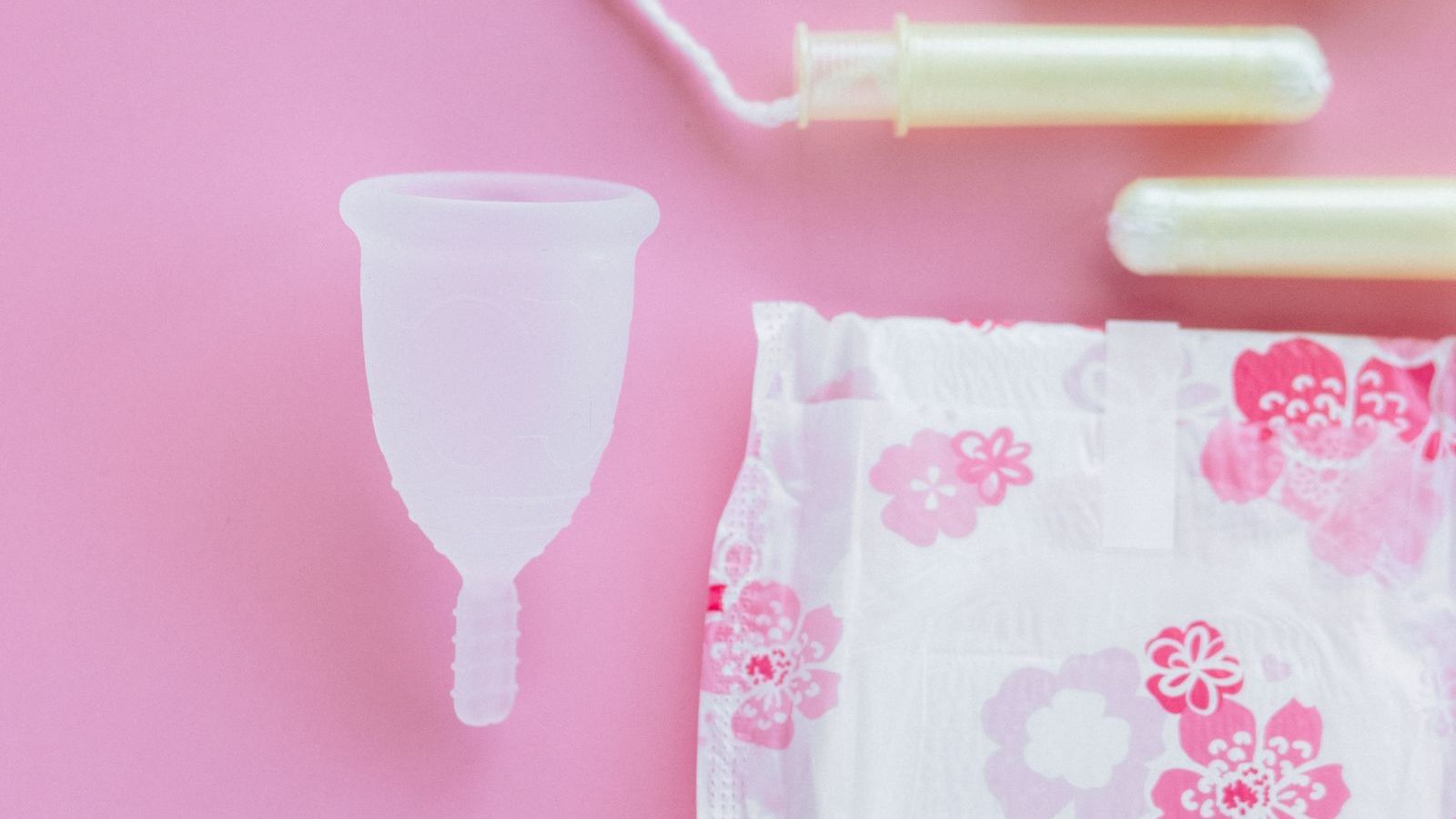
The products that actually hold up on your heaviest days and through the night, plus the small habits that stop 3am leaks and the signs your flow is worth a chat with a doctor.
Quick answer: If you have a heavy flow, the single most useful thing you can do is stop relying on one product and start layering two, so that when the first one reaches capacity the second one catches everything. For overnight that usually means a high-capacity cup or disc, or a dedicated overnight pad, worn together with absorbent period underwear as a backup. For heavy daytime flow it means a super or super-plus tampon, or a high-capacity cup or disc, with period underwear underneath as insurance. Match the absorbency to your actual flow, size up at night, and change on schedule. And if you are soaking through a pad or tampon every hour, passing clots bigger than a coin, or feeling wiped out and light-headed, that is worth flagging to a doctor, because heavy bleeding often has a simple, treatable cause. The rest of this guide walks through what to reach for, why it works, and how to stop the leaks before they start.
Why heavy flow is harder to shop for
Most period products are designed around an average flow, and an average flow is not what you have. The regular pad that lasts a friend all afternoon lasts you ninety minutes. The tampon absorbency that feels like plenty on day three does nothing on day one. So you end up over-buying, doubling up on the wrong things, and still checking the back of your jeans between classes, which is exhausting in a way that is hard to explain to anyone whose period just gets on with it without ever asking for attention.
The fix is not simply buying the most absorbent version of everything. It is understanding that different products fail in different ways, and that the trick to a heavy flow is combining them so their weak points do not line up. Once that clicks, heavy days stop being a series of near-misses and start being something you can plan around, which is the whole point of this list.
The one principle that changes everything: layering
Here is the thing almost nobody tells you. On a heavy flow, no single product is the answer. The answer is two products working together, a main one that collects or absorbs the bulk of your flow, and a backup that catches anything the first one misses. That is it. That one shift does more for heavy days and overnight leaks than any single "ultra" product ever will.
It works because your main product and your backup fail at different moments. A tampon or cup can reach capacity before you notice; period underwear worn underneath buys you the time to get to a bathroom without it reaching your clothes. A pad can shift while you sleep; a cup underneath means the shift does not matter. Layering is not overkill or a sign you are doing something wrong. For a genuinely heavy flow it is just the sensible setup, and everything below is chosen to slot into it.
What to reach for
The goal across all of these is the same: hold more, change less, and never be the person who has to leave early because a product gave out. Mix and match based on your flow, your comfort, and what you will actually use.
Overnight and maxi pads
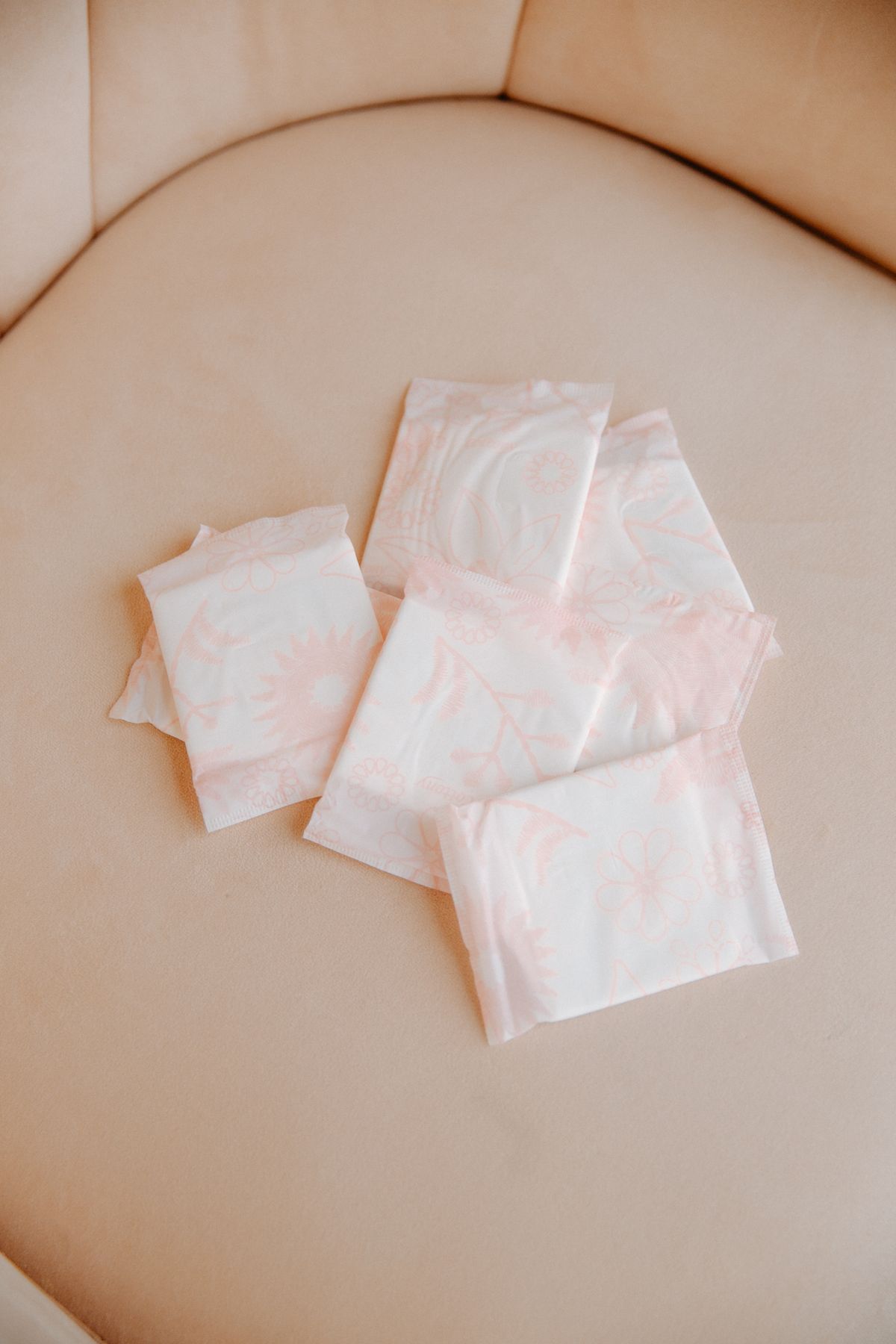
The simplest upgrade for nights. Overnight pads are longer, especially at the back, and far more absorbent than daytime ones, which matters because when you lie down your flow pools backwards instead of running down. A regular pad is built for someone sitting upright; an overnight pad is built for the exact situation that catches most people out. Look for ones labelled overnight, maxi, or night, ideally with wings and a long back section, and do not be shy about the highest absorbency the range offers.
On their own they suit side and back sleepers and anyone who would rather not use an internal product. As a backup layer under period underwear, or paired with a cup, they become close to leak-proof. The one habit that makes the biggest difference is changing to a fresh one right before you get into bed, so you start the night at zero rather than halfway there.
Period underwear built for heavy nights
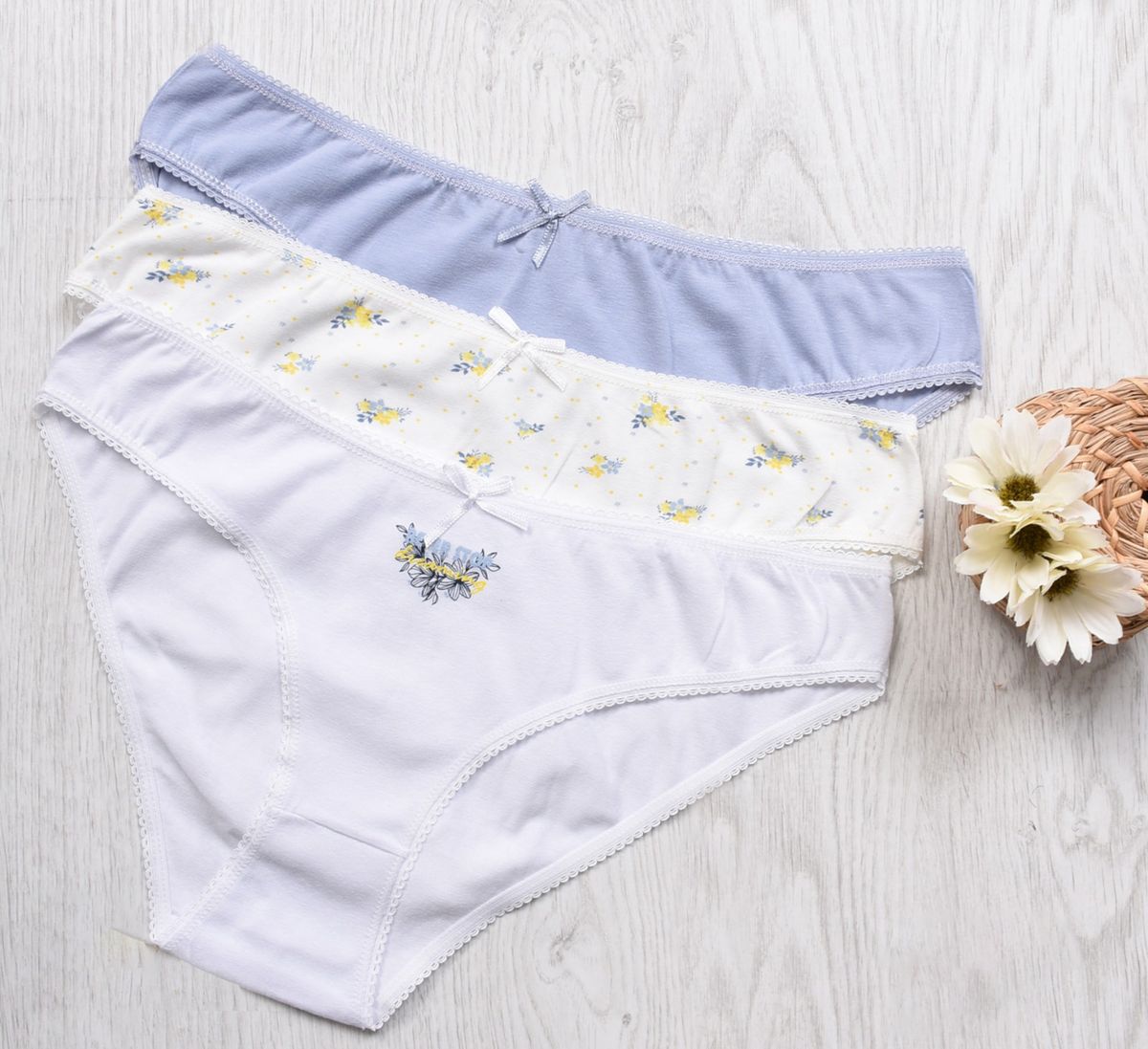
Absorbent underwear has become one of the best tools for a heavy flow without much fanfare, and the overnight cuts now hold the equivalent of several tampons’ worth. Worn on its own it handles a light-to-medium night; worn as a backup under a pad or over a cup it is the single best insurance against waking up to a mess. The cuts to look for are the high-waisted or "overnight" styles with a wide back panel that extends up towards the waistband, because that back coverage is exactly where overnight leaks escape.
A couple of things separate a pair you rely on from a pair that lives in the drawer. Match the absorbency honestly to a heavy flow, since the lightest pairs will not hold through your worst night and one soaked-through experience can put you off the whole idea. And buy two or three rather than one, because a single pair is never enough once you factor in wash days. If you are not sure which absorbency to start with, this is exactly the kind of thing Sarah, the Periodwise assistant, can help you think through.
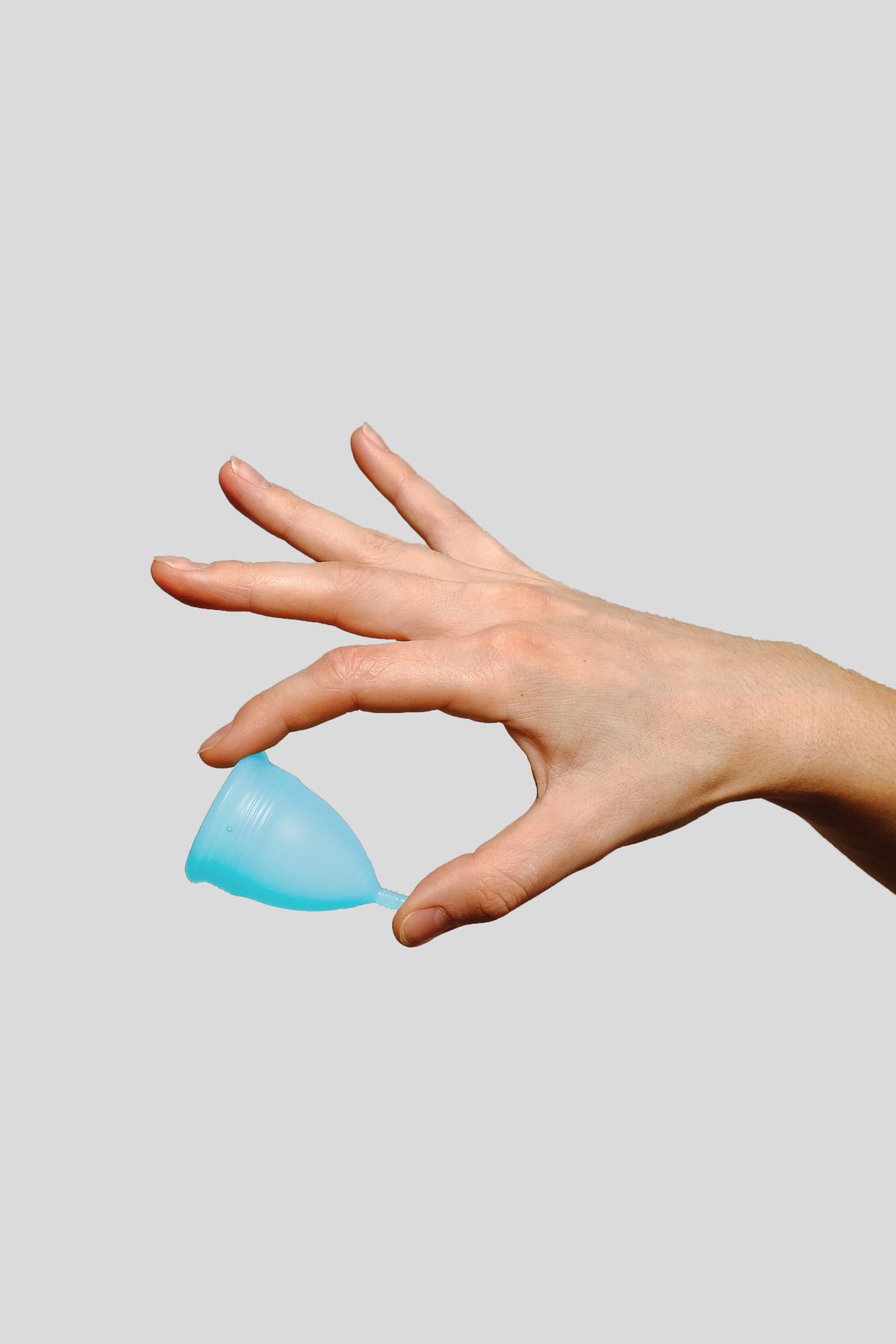
High-capacity menstrual cups
Cups collect your flow rather than absorbing it, and a large or high-capacity cup holds noticeably more than a super tampon, which for a heavy flow means far fewer changes and far fewer close calls. Because the seal does not depend on gravity, cups tend to perform well overnight, when a pad might shift. They are reusable, so they work out cheaper over a year than disposables, and once you are past the short learning curve most people find them genuinely freeing on heavy days.
The detail that matters most for a heavy flow is capacity, so size up rather than reaching for the smallest option. Empty it before bed and again first thing, keep to the labelled wear time, and pair it with period underwear while you get the hang of it. The combination of a high-capacity cup and a decent pair of overnight underwear is, for a lot of heavy bleeders, the setup that finally lets them sleep through.
Diva or Saalt? On capacity there is very little in it: the larger size of each holds around 30ml, which is roughly three to four super tampons’ worth, so neither wins on volume alone. The real difference is firmness and shape. The DivaCup is middle-of-the-road firm with a straight-walled, V-shaped body, and a firmer cup pops open more easily and holds its seal well, which suits you if you have a strong pelvic floor or you are tired of fighting a cup open. Saalt makes its cup in two firmnesses, and that is the reason to choose it: the Original is firmer than the Diva, while the Saalt Soft is noticeably softer, which is the one to pick if a firm cup feels like pressure or you have a sensitive bladder. Saalt’s rounder, bulbous shape also tends to hold its form nicely for first-timers. Put simply, pick Diva if you want one reliable firmness and a proven classic, and pick Saalt if you want to choose your firmness, especially if "softer" sounds appealing.
Menstrual discs
Discs sit a little differently to cups, tucked up at the base of the cervix rather than held by suction in the vaginal canal, and they often have an even larger capacity. Many people find they leak less overnight, and some can be worn for up to twelve hours, which is a real advantage when your flow is heavy enough that most products tap out well before then. There is a slightly steeper learning curve to insertion and removal, but for the heaviest nights they are a favourite for a reason.
Flex or Saalt? This one is a genuinely clear split, because they are different kinds of product. The Flex disc is disposable, made from a medical-grade polymer, comes in one size, and you bin it after use. Its rim is firm, which a lot of people find makes it easier to place when you are new to discs, though that same firmness is what some people feel as internal pressure. The Saalt disc is reusable medical-grade silicone, lasts for years with proper care, comes in two sizes so you can fit it to your body, and has a softer rim that is easier to live with once you know what you are doing. Both give you up to twelve hours. So: Flex if you want to try a disc with no commitment, or you like the convenience of throwing it away, and Saalt if you already know discs work for you and want the cheaper, more comfortable option over the long run.

Super and super-plus tampons
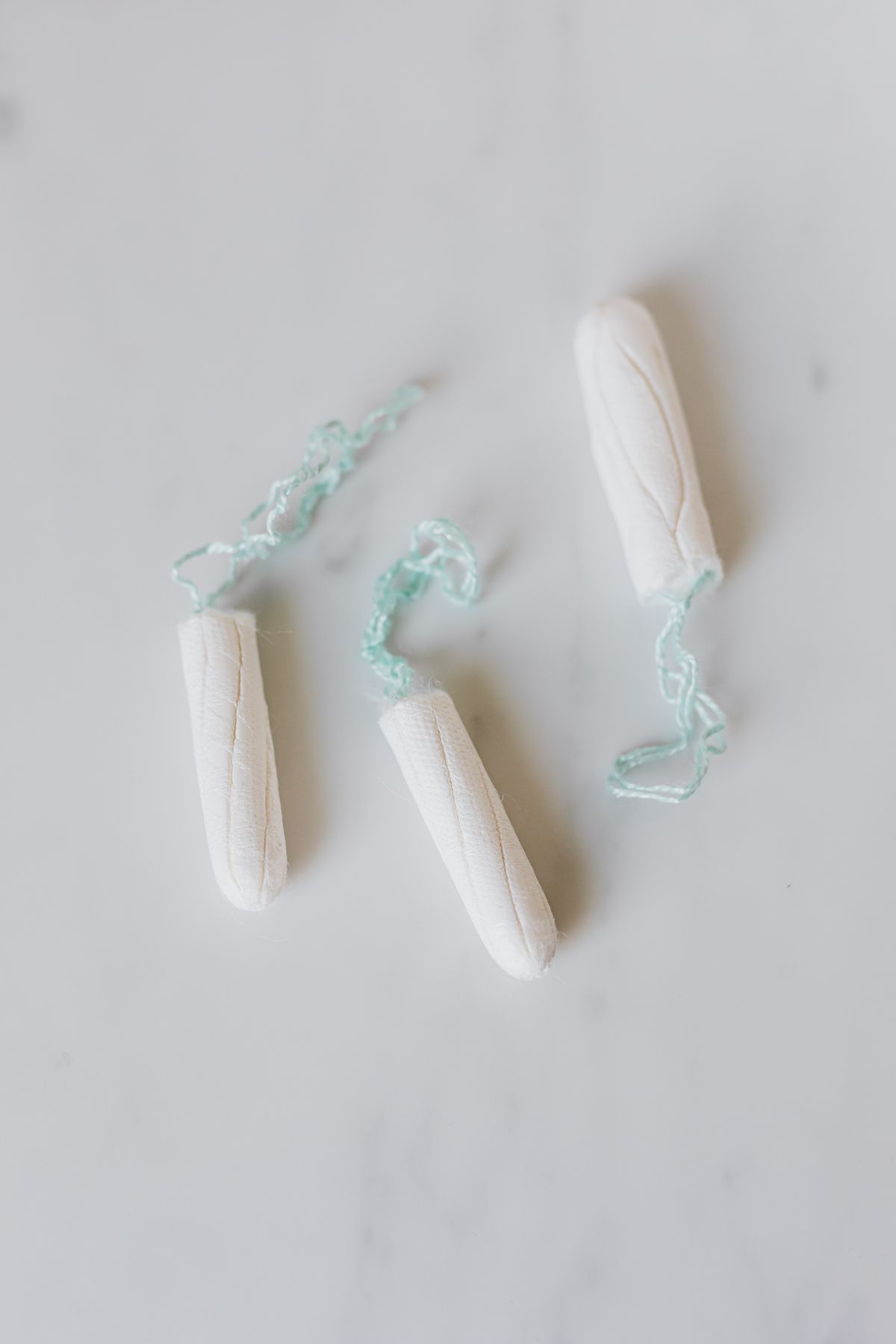
For daytime, higher-absorbency tampons buy you more time, which on a heavy flow is exactly what you are short of. The important rule is to use the lowest absorbency that actually works for your flow at that moment, and to change at least every four to eight hours. Reaching for the highest absorbency all day, even once your flow lightens, slightly raises the small but real risk of toxic shock syndrome, so the goal is to match the tampon to the day rather than defaulting to the strongest one.
They suit active days, sport, and anything where you want to forget you are on your period, and they slot neatly into the layering approach with period underwear or a thin liner underneath. Just do not leave one in longer than eight hours, and if your flow is heavy enough that even a super-plus is soaking through in under two hours, that is a sign to read the medical section further down rather than simply buying a bigger box.
The backup layer that ties it all together
Whatever your main product is, the piece that makes a heavy flow manageable is the backup underneath it. Period underwear is the obvious choice, but a thin liner or a pad works too depending on what you are pairing it with. This is the layer that means a surprise heavy hour ends up on something washable instead of on your clothes, and it is the difference between confidently sitting through a long lecture and spending it doing quiet mental maths about how long you have left.
For your very heaviest nights, the belt-and-braces setup is a high-capacity cup or disc plus overnight period underwear, or an overnight pad plus underwear if internal products are not for you. Put a dark towel down over your sheets if it puts your mind at ease, and keep a spare pair and a change of bedding within reach. None of that is being dramatic. It is just what a heavy flow reasonably calls for, and being set up for it is what lets you stop thinking about it.
How to stop overnight leaks before they start
A few small habits do as much as any product. Change to a fresh, high-absorbency product right before bed, even if your current one is not full, so you begin the night with as much capacity as possible. Sleep on your side if you tend to leak backwards, and let a long overnight pad follow the direction your flow actually travels when you are lying down. Size up at night, because your overnight product can and should be more absorbent than your daytime one.
Beyond that, it is mostly about being set up rather than being lucky. Keep a small period kit by your bed with a spare product, a change of underwear, and wipes, so a 3am change is a thirty-second job rather than a stumble around the house. And track your cycle so you know which nights are likely to be your heaviest and can double up in advance. Predicting your worst nights takes almost all the anxiety out of them, which is really what good period care comes down to.
When heavy flow is worth a doctor's visit
Better products make a heavy flow livable, but they do not treat the cause, and sometimes heavy bleeding is your body flagging something worth looking into. It is worth booking a chat with a doctor or nurse if you are regularly experiencing any of these:
- Soaking through a pad or tampon every hour for several hours in a row
- Passing clots larger than a coin
- Bleeding for longer than seven days
- Bleeding between periods or after sex
- Feeling tired, breathless, dizzy, or light-headed, which can be signs of anaemia from ongoing blood loss
None of that means something is seriously wrong, and most causes turn out to be common and very treatable. But a heavy flow is not something you simply have to endure, and you deserve answers rather than just a bigger pad.
Heavy menstrual bleeding has a clinical name, menorrhagia, and a long list of treatable causes, including hormonal imbalances, fibroids, which are non-cancerous growths in the wall of the uterus, polyps, which are small tissue overgrowths in the uterine lining, and clotting conditions. A simple ferritin or iron blood test can check whether the blood loss has left you anaemic, which is common and easily missed. Please do not push through it on your own, especially if you are feeling wiped out, since there are effective ways to reduce flow and treat the underlying cause. Learn more about iron, ferritin, and your period.
A simple starter setup
If assembling all of this feels like a lot, you can cover almost everything with three things. A high-capacity cup or disc, or a pack of overnight pads if internal products are not for you; two or three pairs of overnight period underwear to layer underneath; and a small bedside kit stocked with spares. Together that handles the two things that actually weigh on you, daytime flooding and overnight leaks, and lets you add the finer tuning as you learn what your flow does. You do not need the full list to feel in control. You need the basics set up properly so a heavy day stops being a thing you have to manage minute by minute.
Frequently asked questions
These are the questions Periodwise readers ask most about heavy flow and overnight protection.
What is the most absorbent period product?
For sheer capacity, high-capacity menstrual discs usually hold the most, followed closely by large menstrual cups and dedicated overnight period underwear. But for a heavy flow, the most reliable protection is not any single product, it is layering two together, so that when your main product reaches capacity the backup catches the rest.
Can I wear a tampon and a pad at the same time?
Yes, and it is a very common heavy-flow strategy. A tampon or cup handles the collection while a pad or period underwear catches any overflow, which is exactly the layering approach this guide is built around. Just remember to change your tampon on its normal schedule regardless of the backup, and never leave one in for longer than eight hours.
How often should I change products on a heavy day?
As a rough guide, change tampons every four to eight hours and never leave one in longer than eight; change pads roughly every three to four hours or whenever they feel saturated; and empty cups or discs within their labelled wear time, often up to eight to twelve hours, though a heavy flow may mean sooner. Change earlier any time something feels full or uncomfortable rather than waiting for the clock.
Are menstrual cups good for a heavy flow?
Very. A high-capacity cup holds more than a super tampon and needs emptying far less often, which makes it one of the best options for both heavy days and overnight. Pair it with period underwear as a backup layer, especially while you are still getting comfortable with insertion, and it becomes a setup a lot of heavy bleeders swear by.
Why do I leak overnight but not during the day?
Lying down changes how your flow moves. Instead of running downward the way it does when you are upright, it pools and can escape past a product that copes fine during the day, usually towards the back. The fix is to size up overnight, use a longer pad or a high-capacity internal product, and add an absorbent backup layer so the pooling has nowhere to go.
When should heavy bleeding be checked by a doctor?
Book a chat with a doctor or nurse if you are soaking through a pad or tampon every hour for several hours, passing clots bigger than a coin, bleeding for more than seven days, bleeding between periods, or feeling tired, breathless, or light-headed. These can point to treatable causes like fibroids or anaemia, and heavy bleeding is worth investigating rather than simply enduring.
Know someone who should read this?
Most of us learn this from a friend, not a doctor.