
Lower Back Pain During Period: Why It Happens and What Helps
You feel cramping that spreads into your lower back, pain that starts before your bleed, or severe aching that won’t ease. This guide explains why period cramps reach the lower back, which stretches, heat and painkillers help, and the specific patterns that suggest endometriosis, a urinary or kidney problem, or something to get checked.
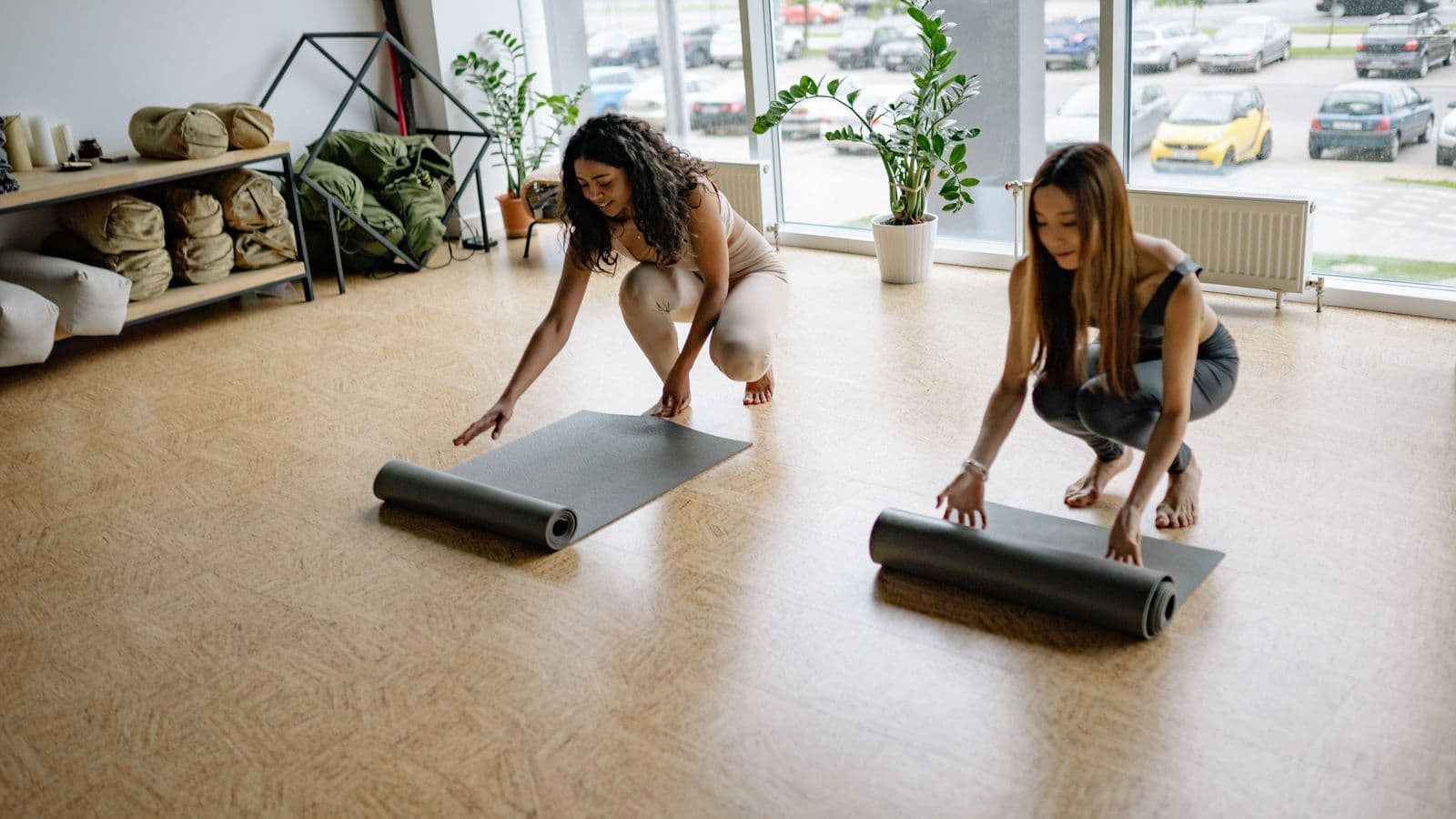
Cramping that starts in your belly and moves to the lower back, dull aching only in the back, or very sharp back pain with your period.
Quick answer: Lower back pain during your period is usually referred pain from uterine cramps caused by prostaglandins, but it can also come from pelvic conditions, muscles, or your kidneys. Mild to moderate pain often improves with heat, movement, and short-term pain relievers; constant severe or unusual-pattern pain needs medical evaluation.
Why does my back hurt on my period
Lower back pain on your period often happens because the uterus and the surrounding reproductive structures share nerve pathways with your lower back. When the uterus contracts under the influence of prostaglandins, those pain signals can follow the same spinal nerves and be felt as aching or cramping in the lower back. This is called referred pain.
The uterus contracts each period to help shed its lining. Prostaglandins are hormone-like chemicals that make those muscles contract and can also increase sensitivity in nearby nerves. People who make more prostaglandins usually have stronger cramps and more back pain. Research shows prostaglandin levels are higher in people with worse period pain, and medicines that block prostaglandin production, like nonsteroidal anti-inflammatory drugs, reduce both abdominal cramps and back pain.
Muscle tension and posture add to the problem. The pelvic tilt and guarding you adopt when cramps start can strain lumbar muscles, making the pain feel worse or last longer than the bleeding. Low activity, sitting for long hours, or sleeping in a poor position before your period can mean the back muscles are primed to hurt when cramps begin.
Less commonly, back pain during your period is not from the uterus at all. Conditions such as endometriosis, pelvic inflammatory disease, fibroids, adenomyosis, or a urinary tract or kidney issue can cause pelvic and back pain timed to the cycle or independent of it. Those causes often have other features like heavy bleeding, very painful sex, fever, urinary symptoms, or pain that is focal and severe.
What to do: try targeted self-care first for routine monthly back pain, but keep track of pattern, intensity, and any new symptoms. If pain is escalating, changing pattern, or affecting daily life, see the When to see a doctor section below.
Period back pain relief: stretches and positions that actually help
Stretching and gentle movement reduce muscle tension, improve circulation, and can interrupt the pain cycle. Use these moves before and during your period when the ache starts.
Child’s pose variation, gentle: Kneel and sit your heels, then fold forward with knees wide and arms extended, forehead on the mat. This lengthens the lumbar spine and relaxes paraspinal muscles. Hold 30–60 seconds and breathe deeply. If kneeling hurts, sit on a chair and fold forward over your thighs instead.
Knees-to-chest hug: Lie on your back and draw both knees to your chest, wrapping your arms around them, and rock gently side to side. This flattens the lower back to the floor and releases tight muscles. Hold 20–30 seconds, repeat 3–5 times.
Pelvic tilt (bridge prep): Lie on your back with knees bent, feet flat. Flatten your lower back into the floor by tightening your lower abdominal muscles, then relax. Repeat 10–15 times. This activates core muscles that support the lower back and reduces strain when you sit or stand.
Thread-the-needle lumbar twist: On hands and knees, slide one arm under the opposite arm and rest your shoulder and head on the floor, twisting the thoracic spine. Hold 20–30 seconds each side. Avoid forcing a range of motion if you have sharp pain.
Positions that ease pain briefly:
- Fetal curl: Lying on your side with knees pulled toward your chest can relieve uterine cramping and back tension. Use a pillow between knees for comfort.
- Sitting forward over a pillow: Seated and folded forward over a support can reduce pressure on the spine and ease nerve referral.
Timing and safety: Start movement as soon as you notice stiffness. Aim for gentle, not aggressive, stretching. If a stretch increases sharp, shooting pain or causes numbness, stop and try a milder option. People with recent pelvic or abdominal surgery, pregnant people, or those with certain medical conditions should check with their clinician before trying new exercises.
Combine stretches with active measures: short walks, light yoga flows, or swimming can reduce overall pain and improve mood. Our exercise on your period article has practical tips for different intensity levels.
How heat helps and how to use it safely
Heat is one of the most reliable and immediate ways to reduce period back pain because warmth relaxes muscles and increases blood flow, which helps wash away pain-causing chemicals. Clinical studies show heat provides pain relief comparable to ibuprofen for some people with period cramps.
Types of heat:
- Electric heating pads give steady, controllable warmth and are convenient for sitting or lying down. Use low to medium settings.
- Microwavable heat packs (wheat or gel) contour to your lower back and pelvis. They retain heat for 15–30 minutes.
- Hot water bottle is simple and effective but check for leaks and use a cover to avoid burns.
How to apply:
- Short sessions: 15–20 minutes at a time is usually enough. You can repeat every hour as needed. Never fall asleep with a heating pad on high.
- Placement: Center the heat over the lower back where the ache is worst. If pain is both abdominal and back, place heat across the lower abdomen.
- Safety: Use a cloth barrier between heat and skin if you have sensitive skin, diabetic neuropathy, or reduced sensation. Avoid high continuous temperatures. If you have a pacemaker, check product safety for electric pads.
When to avoid heat: If you have fever, signs of infection, an open wound, or a suspected abdominal pregnancy, avoid applying heat and seek care.
We cover heat in more detail in our guide to the heating pad for cramps.
When to take pain relief and which medicines work best
Medications can be very effective when self-care is not enough. Choose based on symptom pattern, other health issues, and how you want to use medication.
Nonsteroidal anti-inflammatory drugs (NSAIDs): Ibuprofen and naproxen are first-line because they block prostaglandin production and reduce both uterine cramping and referred back pain. Start as soon as symptoms begin, taking the recommended dose on the package or what your clinician advised. For many people, taking a dose at the first sign of cramps gives the best relief compared with waiting until pain is severe.
Acetaminophen: Helps with pain but does not reduce prostaglandins, so it may be less effective for cramp-related back pain. It is safe for people who cannot take NSAIDs, but watch liver-safe dosing and avoid combining with other acetaminophen-containing products.
Topical analgesics: Creams or gels containing menthol or diclofenac can help local muscle pain. Evidence is mixed but some people get useful relief without systemic side effects.
Muscle relaxants and prescription options: If muscle spasm is a major component, a clinician may prescribe a short course of a muscle relaxant. For severe menstrual pain that is monthly and predictable, hormonal options such as combined oral contraceptives or a hormonal IUD often reduce pain long term. See our relief overview and the specific hormonal IUD and combined-pill pages for pros and cons.
Safety notes and who should not use certain medicines:
- NSAIDs are not recommended for people with active stomach ulcers, certain kidney disease, or some heart conditions without medical advice. If you have high blood pressure, long-term NSAID use can raise it.
- Combined hormonal contraceptives contain estrogen, which is usually safe for most people but is not recommended for people with migraine with aura, certain clotting disorders, or uncontrolled high blood pressure. Always discuss with a prescriber about risks and mood side effects.
If over-the-counter pain relief does not control your monthly back pain, or you need daily strong medication, see the When to see a doctor section and consider our plan quiz to tailor a relief approach.
Back pain before period: what the timing means
Back pain that reliably starts a day or two before your period is usually part of premenstrual symptoms and linked to hormonal changes in the luteal phase. The drop in progesterone and the rise in prostaglandins at the end of the cycle sensitize nerves and can make both abdominal and back muscles more reactive.
Premenstrual back pain is common and often accompanies bloating, breast tenderness, mood shifts, and fatigue. Track symptoms with a calendar or the Periodwise Track app for two to three cycles to confirm the pattern. If back pain begins earlier in the cycle, is constant, or progressively worse, the cause may be different and worth investigating.
If you notice that back pain before your period is getting stronger over several cycles, or that you need more medication than before, that could signal a developing pelvic condition such as endometriosis or adenomyosis. In that case, bring your symptom log to a clinician; pattern and timing often help them decide on tests or trial treatments.
Lifestyle measures to reduce preperiod back pain include keeping active, prioritizing sleep, limiting alcohol and excess salt in the days before your period, and trying low-dose daily NSAIDs for the high-risk days if safe for you. For guidance on tracking and patterns, see our how it works page to connect symptoms with cycle phases.
Severe back pain period endometriosis: how to spot it
Endometriosis is a condition where tissue similar to the uterine lining grows outside the uterus, causing inflammation and scarring. It commonly causes very painful periods and pain that radiates to the lower back, buttocks, or down the legs. Not everyone with endometriosis has heavy bleeding; sometimes the dominant symptom is persistent, severe pain.
Signs that suggest endometriosis rather than routine cramps:
- Pain that is progressively worse over months or years, not relieved by standard self-care.
- Painful sex especially deep penetration, or pain with bowel movements during your period.
- Cycle-linked but also daily pain: pain that peaks with your period but is present between periods too.
- Infertility concerns or trouble getting pregnant.
How endometriosis causes back pain: lesions on the pelvic sidewall, uterosacral ligaments, or the back of the uterus can directly irritate nerves that transmit pain to the lower back. Adhesions from prior inflammation can tether pelvic organs, pulling on supporting structures and causing a constant ache.
Diagnosis and options: Laparoscopy, a minimally invasive surgery, is the definitive diagnostic tool and allows removal of lesions, but imaging such as pelvic ultrasound or MRI can suggest endometriosis or rule out other conditions. First-line management often includes NSAIDs, hormonal suppression with combined pills, progestin-only methods, or a hormonal IUD, and sometimes surgery when pain is disabling. Our deeper explainer on endometriosis symptoms describes common patterns and next steps.
Who to see: A gynecologist or a pelvic pain specialist is appropriate if endometriosis is suspected. Get a referral earlier if pain limits daily life or sexual activity.
When back pain is actually a kidney or urinary problem
Kidney or urinary causes produce back pain that can be mistaken for period-related pain because of proximity. Key differences help tell them apart.
Typical urinary or kidney signs:
- One-sided sharp flank pain that is constant and unrelated to movement or position.
- Urinary symptoms such as burning, frequent urination, cloudy or foul-smelling urine, or visible blood in urine.
- Fever or chills suggesting infection.
A kidney stone often causes sudden, severe one-sided pain that may radiate to the groin. A urinary tract infection, especially if it reaches the kidneys (pyelonephritis), causes flank or lower back pain plus fever and urinary complaints.
What to do: If you have fever, nausea and vomiting, or urinary symptoms with back pain, seek medical evaluation promptly because untreated kidney infections can be serious. Our when-to-seek-care pages list signs requiring emergency or routine appointments and give exact steps for testing and treatment. For same-day concerns, see the emergency page at /topics/when-to-seek-care/emergency.
Non-hormonal and hormonal long-term options for painful periods (comparison)
When monthly back pain is frequent, interfering with life, or not controlled by short-term measures, consider longer-term options. The table below compares common approaches for period pain relief, focusing on how they affect pain and their main trade-offs.
Option | How it helps back pain | Pros | Cons |
|---|---|---|---|
NSAIDs (short courses) | Reduce prostaglandins and cramping | Fast relief, available OTC | Not for people with ulcers, some kidney or heart disease |
Combined oral contraceptives | Often reduce menstrual pain and regularize cycles | Can significantly lower pain and flow | Not for people with migraine with aura, clot risk; mood side effects possible |
Progestin-only methods (mini‑pill, implant, IUD) | Thin uterine lining and reduce cramps | Good for those who cannot use estrogen | Irregular bleeding, mood changes for some |
Hormonal IUD | Reduces bleeding and often cramps over months | Long-acting, low maintenance | Insertion cramps, not suitable for everyone |
Surgery for endometriosis | Removes pain-causing lesions | Can give long-term relief for some | Invasive, possible recurrence |
Choosing an option: Discuss preferences, medical history, and future pregnancy plans with a clinician. If you want a side-by-side comparison of methods, our comparisons section and the specific hormonal IUD and mini-pill pages go into details. For anxiety about mood effects, see our discussion of birth control and mood.
Practical daily tips for easing lower back pain during your period
Small habit changes can lower the frequency and intensity of monthly back pain.
- Plan ahead for active days: If you know your pain peaks on day one, take a scheduled NSAID dose at the first twinge if that is safe for you. Keep a heating pad and comfortable clothes accessible.
- Prioritize sleep and rest: Poor sleep increases pain sensitivity. Aim for consistent sleep times and a supportive mattress or pillow arrangement that keeps your lumbar spine neutral.
- Use posture supports: A lumbar roll when sitting, or a pillow behind your low back for driving or desk work, reduces strain.
- Stay hydrated and move: Short walks and gentle mobility every 30–60 minutes during long sitting periods reduce stiffness.
- Trial topical options: If you prefer to avoid systemic medication, try topical diclofenac or a menthol rub on the lower back; combine with heat for better effect.
Avoid these common mistakes: waiting until pain is severe before trying medication, using very high heat directly on skin, continuing heavy high-impact exercise when pain is sharp, or assuming pelvic pain always equals your period. If you need personalized planning, take the Periodwise relief plan quiz for an adaptive approach.
When to see a doctor about lower back pain during your period
A short lead: use same-day care for danger signs, and routine appointments for changes or ongoing impact.
- Sudden severe one-sided back pain with fever, vomiting, or fainting
- New urinary symptoms such as painful urination, blood in urine, or high fever
- Pain so severe you cannot stand, walk, or care for yourself
- Signs of pelvic infection: fever, abnormal discharge, worsening pain after an IUD insertion
- Heavy bleeding with faintness or rapid heartbeat
Book a routine appointment if you have:
- Increasing pain over several cycles that limits work or school
- Painful sex, infertility concerns, or painful bowel movements with your period
- Need for a longer-term pain plan, hormonal options discussion, or specialist referral
- Regular reliance on high-dose painkillers to function each month
If you are unsure which route to take, try our when-to-seek-care/monitor page for symptoms ok to track, or chat with Sarah, the Periodwise assistant to triage your next step. Keep a symptom log with timing, severity, medication used, and anything that helps or makes pain worse to bring to your appointment.
Frequently asked questions
Why does lower back pain happen instead of belly cramps
Lower back pain happens because the uterus and lower back share spinal nerves, so uterine cramp signals can be felt in the back. This referred pain is common and explains why some people feel mostly backache rather than abdominal cramps.
How long should period-related back pain last
Typical period back pain peaks on the first day of bleeding and improves over 48–72 hours for most people, but it can last somewhat longer if you have a strong prostaglandin response. If pain is constant for more than a week or gets worse each cycle, see a clinician.
Are there specific stretches that stop the pain quickly
Gentle positions like knees-to-chest, child’s pose, and pelvic tilts often give quick relief by reducing muscle tension and flattening the lower back. Use heat first for immediate comfort, then try these moves slowly; stop if a stretch causes sharp or shooting pain.
Can exercise make period back pain worse
Strenuous high-impact exercise during a peak pain episode can worsen symptoms, but gentle aerobic movement, walking, and targeted stretching usually reduce pain. Regular exercise outside your period reduces the overall severity of cramps for many people.
When does back pain suggest endometriosis
Suspect endometriosis when pain is severe, progressively worse over cycles, affects sex or bowel function, or continues between periods. If you have these signs, ask a gynecologist about evaluation and management; our endometriosis symptoms article explains common red flags.
Could it be a kidney problem and how do I tell
Kidney or urinary problems often cause one-sided sharp flank pain, fever, nausea, or urinary symptoms like burning or blood in urine. If those symptoms occur with back pain, seek prompt medical evaluation because infections and stones need specific treatment.
Is using a heating pad safe every period
Yes, heating pads are safe when used for 15–20 minutes at a time on moderate settings, with a cloth barrier if your skin is sensitive. Avoid sleeping with a pad on high and check product warnings if you have reduced sensation or medical devices like a pacemaker.
Will birth control stop lower back pain during periods
Hormonal birth control reduces menstrual cramps and often lowers back pain by suppressing ovulation and thinning the uterine lining. Different methods vary in effectiveness and side effects; see our birth control for cramps and the relief overview to compare options.
What should I bring to my doctor about this pain
Bring a symptom diary showing timing in the cycle, pain intensity, any urinary or bowel symptoms, sexual pain, medications you use and what helps, and any effect on daily life. This information helps the clinician decide on tests, imaging, or referral.
Can I use topical treatments if I have heavy period bleeding
Topical gels or creams on the lower back are safe regardless of bleeding amount because they act locally and do not affect bleeding. They can be combined with heat and oral pain relievers as advised by your clinician.
How can I get faster help if my pain disrupts school or work
If pain regularly disrupts life, ask your primary care clinician or gynecologist for a plan that might include a trial of hormonal treatment, specialist referral, or workplace accommodations. You can also use telehealth services or contact Sarah, the Periodwise assistant for immediate advice about next steps and documentation options.
Know someone who should read this?
Most of us learn this from a friend, not a doctor.