
Your Period Pain Suddenly Got Worse: What Could Have Changed?
If your cramps used to be manageable and suddenly are not, there is almost always a reason. The quickest way to find yours is to start with when the pain changed — this cycle, the last few months, or slowly over years — because each of those points at a different set of causes.
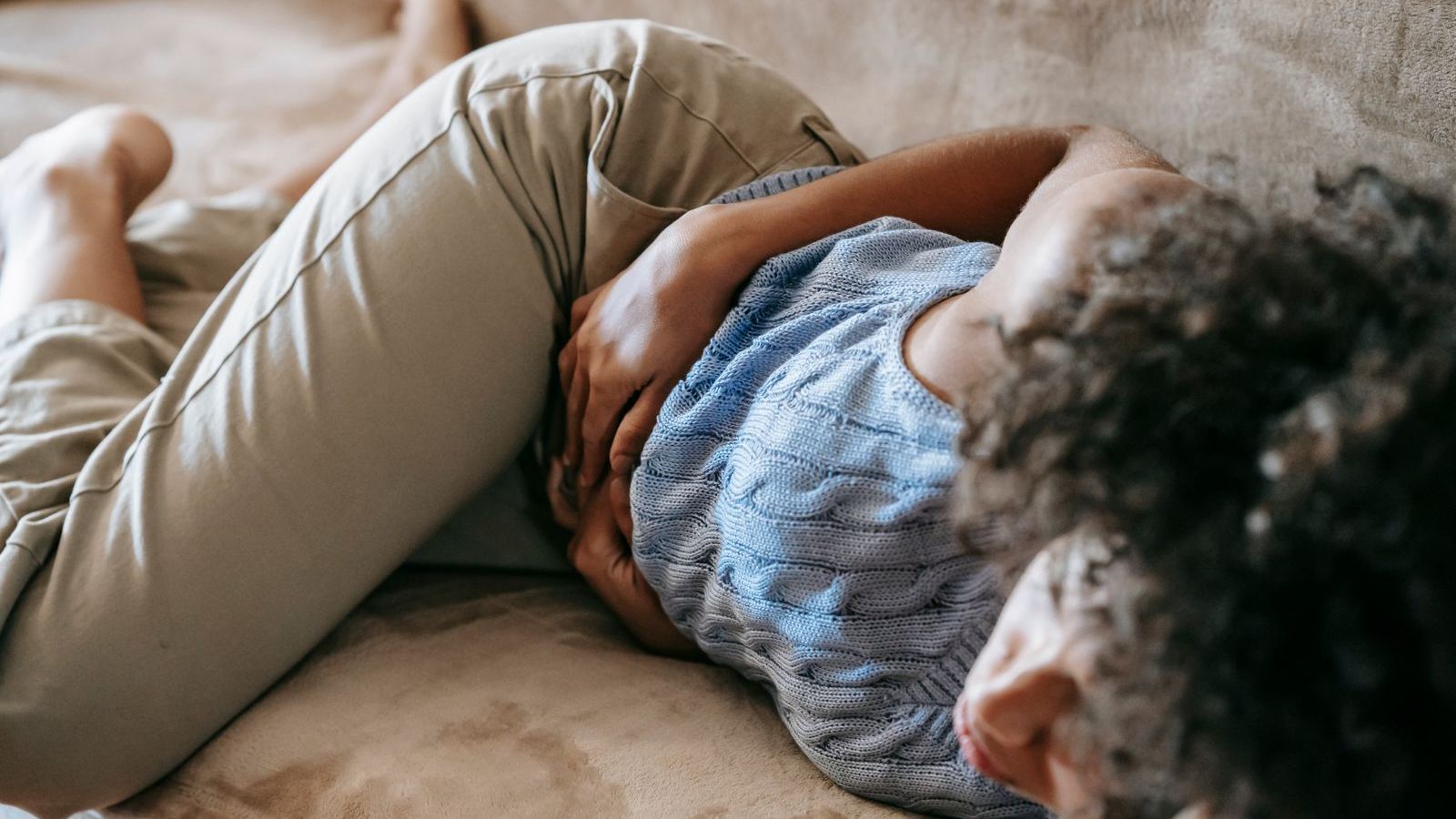
If your cramps used to be a two-ibuprofen situation and now you are cancelling plans, lying on a bathroom floor, or texting someone to bring you a heating pad, you are not imagining it and you are not being dramatic.
Period pain genuinely changes. When it does, there is almost always a reason, and it is usually findable. Here is how to find yours.
The quick answer
Period pain usually gets worse because something changed in your hormones, in your uterus, or in how much you are bleeding. The most common explanations are stopping hormonal birth control, getting a copper IUD, a heavier flow, cycles that have become reliably ovulatory, and conditions such as endometriosis, adenomyosis, or fibroids. Pain that escalates month over month, does not respond to over-the-counter painkillers, or makes you miss school or work needs a doctor rather than a wait-and-see.
Common is not the same as normal
Painful periods are common. They are not automatically fine.
That distinction gets people into trouble, because plenty of us spend years being told that cramps are simply part of it while something treatable goes unnamed. Endometriosis takes an average of seven to ten years to diagnose, and a large part of that delay is everyone involved — patients, friends, sometimes doctors — assuming that worsening pain is just how periods go.
The medical word for painful periods is dysmenorrhea, and it comes in two kinds. Primary dysmenorrhea is pain caused by the normal machinery of a period: prostaglandins, the compounds your uterine lining releases as it breaks down, make the muscle contract, and contractions squeezing on blood vessels are what you feel as cramping. Secondary dysmenorrhea is pain caused by a condition underneath, such as endometriosis or fibroids. Pain that changes is the main thing that separates the two, which is why the change itself is worth paying attention to.
Your pain changed. That is information. Treat it that way.
Start here: when did it change?
This is the fastest way to narrow things down, and it is the first thing a good clinician will ask you. Pick the one that fits.
It got worse this cycle only
One rough month, with no clear pattern yet.
A heavier flow than usual. Pain and volume are directly linked. More lining to shed means more prostaglandin, which means stronger contractions. Passing clots adds a second layer: your cervix has to open slightly to let them through, and that is often the sharp, stabbing spike people describe sitting on top of the background ache.
A delayed or skipped ovulation. Stress, illness, travel, a heavy training block, or not eating enough can all push ovulation later. A longer stretch before bleeding means a thicker lining and a heavier, crampier period when it finally arrives. This is extremely common and usually corrects itself.
You were already running on empty. Bad sleep, exam season, being ill — all of them measurably lower pain tolerance. The same physical cramp genuinely hurts more when you are depleted. That is not in your head; it is how pain processing works.
You mistimed your painkiller. There is more on this below, but taking ibuprofen only once the pain is already unbearable is fighting the mechanism. One badly timed cycle can feel dramatically worse than usual for no other reason at all.
One bad cycle is rarely alarming. Note it, and watch the next two. It is the pattern that matters, not the single month.
It got worse over the last few months
Something changed, and the change stuck.
You stopped hormonal birth control. This is the single most common explanation among people in their late teens and twenties. Combined pills, the patch, and the ring suppress ovulation and keep your lining thin, and a thin lining means less prostaglandin and a lighter, less crampy bleed. Some people barely register a period at all on them.
Stop, and ovulation resumes, your lining builds normally, and the cramps come back. If you started the pill at 15 and came off at 22, you are not comparing yourself to your baseline — you are meeting it, possibly for the first time as an adult. Expect one to three cycles to settle; our guide to what your first few cycles off birth control actually do covers the rest of it. Still escalating after that is worth a conversation.
You got a copper IUD. The copper IUD is hormone-free, extremely effective, and very well documented to make periods heavier and crampier, especially in the first three to six months. Many people improve substantially by the six-month mark. Some do not. If you are at month eight and still in real pain, that is not you failing to tough it out; it is useful information for your clinician, and there are other options.
You got a hormonal IUD recently. Hormonal IUDs usually reduce pain over the long run, but the first few cycles after insertion can be crampy and irregular while your body adjusts — which is what the days after insertion generally look like. Severe, escalating, or one-sided pain afterwards is a different story, and needs checking to rule out displacement or perforation.
Your weight or body composition shifted significantly. Fat tissue produces estrogen. A substantial change in either direction can alter how thick your lining gets and how regular your cycles are, and that shows up as a changed flow and changed pain.
You lost a regular movement habit. Regular exercise is one of the better-supported non-drug approaches to period pain. Losing it — an injury, a new job, a term where training stopped — usually shows up within a couple of cycles.
A new infection. Pelvic inflammatory disease is an infection of the upper reproductive tract, usually from an untreated sexually transmitted infection. It causes pelvic pain that is not confined to your period, often alongside unusual discharge, fever, pain during sex, or bleeding between periods. It needs prompt antibiotics — untreated, it can affect future fertility. New pain that is constant rather than cyclical, plus any of those symptoms, means being seen this week.
It got worse gradually over years
The slow escalation. This is the pattern most worth taking seriously, and the one most often explained away.
Your cycles became reliably ovulatory. If you are within a few years of your first period, this one is likely, and it is ordinary. Cramps are prostaglandin-driven, and prostaglandin ramps up after ovulation. Many early cycles are anovulatory: you bleed, but you did not ovulate, so it does not hurt much. As ovulation becomes consistent, cramps appear and intensify. For a lot of people, period pain peaks somewhere between the late teens and the early twenties.
Endometriosis. Tissue similar to your uterine lining growing outside the uterus. It affects roughly 1 in 10 people with a uterus, and it can genuinely worsen over time. The tells:
- Pain that starts a day or more before the bleeding does
- Pain on days you are not menstruating at all
- Deep pain during sex
- Pain with bowel movements or urination, especially during your period
- Little or no relief from ibuprofen or naproxen
- Cyclical bowel symptoms — bloating, diarrhea, constipation
- A parent or sibling with endometriosis
If several of those land, say the word out loud at your appointment. Naming it changes the conversation.
Adenomyosis. The less-discussed relative of endometriosis: lining tissue growing into the muscular wall of the uterus itself. Classically it means heavy bleeding plus a deep, dragging, whole-pelvis ache rather than sharp localised cramping. It has long been framed as a condition of the late thirties and forties, but it is increasingly recognised in younger people, partly because imaging improved and partly because younger patients are finally being believed.
Fibroids. Benign muscular growths in or on the wall of the uterus. Depending on their size and position they cause heavier bleeding, longer periods, pelvic pressure, and worsening cramps. They become more common with age but are not rare in your twenties, and Black women are disproportionately affected, often develop them earlier, and often have more severe symptoms. If that is you and your pain is climbing, push for imaging rather than accepting reassurance.
Ovarian cysts and endometriomas. Most ovarian cysts are functional, harmless, and resolve without you ever knowing they were there. Endometriomas — cysts formed from endometriosis tissue — are a different matter, and often produce significant one-sided pain that builds over time.
Pelvic floor dysfunction. Underrated, and very common in people who have had painful periods for years. Chronic pain makes you clench, clenching makes the muscles tight and tender, and tight muscles hurt more during cramping. It is a real feedback loop, and it is especially common in athletes and in anyone who has spent a long time bracing against pain. The tells are pain that lingers past your bleed, tampons becoming uncomfortable to insert, or pain during sex that feels like a barrier rather than something deep. Pelvic floor physiotherapy treats it well and is badly under-referred.
Cervical stenosis. A narrowed cervical opening, sometimes following a procedure such as a LEEP or cryotherapy. Blood leaves more slowly, pressure builds, and cramping intensifies. Less common, but worth knowing that it exists.
Polycystic ovary syndrome. PCOS is not classically a painful condition, but long stretches without ovulation let the lining build for months at a time. When a bleed finally comes, it can be both extremely heavy and extremely crampy.
Match your pattern
One row will usually feel more like your period than the others. That row is what to open the appointment with.
What you are noticing | Most likely pointing to | Next step |
|---|---|---|
Pain came back after stopping the pill | A return to your own baseline | Give it three cycles, then reassess |
Heavier flow, more clots, worse cramps | Flow volume, fibroids, adenomyosis | Track your flow and ask about imaging |
It started after a copper IUD | Copper IUD adjustment | Reassess at six months |
Pain starts one to two days before bleeding | Endometriosis | Name it at your appointment |
Pain on days you are not bleeding | Endometriosis, cysts, pelvic floor | Book an appointment |
Deep pain during sex | Endometriosis, adenomyosis, cysts | Book an appointment |
Pain with bowel movements during your period | Endometriosis | Name it at your appointment |
Pain that lingers after your period ends | Pelvic floor dysfunction | Ask for pelvic floor physiotherapy |
Painkillers barely help at all | Endometriosis, adenomyosis | Book an appointment — this one is a real signal |
Sudden severe one-sided pain with nausea | Ovarian torsion, ectopic pregnancy | Emergency room now |
What lowers your pain threshold
None of these cause worse cramps on their own. They lower the threshold enough that a situation which used to be manageable stops being manageable.
Low iron. Heavy periods deplete iron, and low iron leaves you exhausted, foggy, and less able to tolerate pain, which makes the next heavy period feel worse than the last. It is a loop, it is very common in menstruating people under 25, and it is simple to test for. Ask for ferritin specifically rather than only hemoglobin, because you can be low on stored iron long before you are anemic — the same reason it turns up so often in period fatigue.
Sleep debt and chronic stress. Both measurably reduce pain tolerance, and both tend to arrive together, in the weeks where you have the least capacity to absorb a bad period.
A nervous system already amplifying pain. If you also live with migraine, irritable bowel syndrome, or fibromyalgia, your nervous system may be turning up pain signals in general — clinicians call this central sensitisation. It is real physiology rather than fragility, and it changes what treatment should look like, so it is worth mentioning rather than leaving out.
Red flags
Book an appointment if:
- Pain regularly makes you miss school, work, or training
- Over-the-counter painkillers at the dose on the label barely touch it
- The pain is escalating month over month rather than holding steady
- You have pain on days you are not bleeding
- Sex, bowel movements, or urination hurt
- You are soaking a pad or tampon every hour for several hours
- You are regularly passing clots larger than a coin
Get seen this week if:
- You have new pelvic pain that is not cyclical, with unusual discharge or a fever
- You are bleeding between periods and that is new for you
- You have severe pain after a recent IUD insertion
Go to the emergency room if:
- Sudden severe one-sided pelvic pain, especially with nausea or vomiting — this can be ovarian torsion
- Severe pelvic pain with a positive or possible pregnancy — this can be an ectopic pregnancy, which is a medical emergency and is sometimes mistaken for a bad period
- A fever alongside pelvic pain
- Fainting, or feeling like you are about to
- Bleeding heavily enough to soak more than one pad an hour for two hours or more
If you are not sure which of those you are in, our when to seek care guide walks through it symptom by symptom.
What actually helps while you wait
Time your painkillers properly. This is the big one. Ibuprofen and naproxen work by blocking prostaglandin production, which means they cannot undo prostaglandin that has already been released. Taking them at the moment pain becomes unbearable works directly against the mechanism.
If your period is predictable, start at the dose on the label the day before you expect to bleed, or at the very first twinge, and keep taking them on a schedule rather than reactively for the first 48 hours. That single change is often the difference between "ibuprofen does nothing for me" and "ibuprofen works". Check the dose and whether they suit you with a pharmacist — these are not right for everyone, particularly with stomach, kidney, or asthma problems.
Continuous heat. Heat has held up well in trials, in some of them comparably to painkillers. Adhesive heat patches you can wear under your clothes for hours beat a hot water bottle you abandon after twenty minutes, because the duration is doing the work.
Gentle movement. Not a workout you dread. Walking counts. Consistency between periods matters more than heroics during one.
A TENS unit. Transcutaneous electrical nerve stimulation: a small device that sends a mild current through pads on your skin. The evidence is reasonable, the devices are cheap, and it is drug-free, which makes it genuinely useful if painkillers are off the table for you.
Worth trying, weaker evidence. Magnesium, omega-3s, and ginger are all low risk, and the results across studies are modest and inconsistent. Try them if you like, but do not spend money you do not have on them.
Ask about hormonal options. Combined pills, hormonal IUDs, and continuous-cycling regimens are legitimate treatments for painful periods rather than only contraception, and they are often first-line. You can ask for one purely for pain. Our relief and options guide lays out what each one actually does.
Make the appointment count
You get roughly twelve minutes. Walking in with data changes what happens in them.
Track for two to three cycles:
- Pain from 0 to 10, daily, including the days you are not bleeding
- Where it is — one side, low and central, lower back, radiating down your legs
- Flow: how many products a day, and clot size
- What you took, when you took it, and whether it worked
- What you missed — a class, practice, work, sleep
- Whether sex, bowel movements, or urination hurt
Then lead with the change rather than the pain. Compare these two:
Instead of: "My periods are really painful."
Try: "My cramps were manageable until about six months ago. Now I am missing a day of class every cycle, ibuprofen at the full dose is not touching it, and the pain starts two days before I bleed."
The second one gets you a workup. The first one gets you a pamphlet. Three questions reliably move things forward:
- "What would we need to do to rule out endometriosis or adenomyosis?"
- "Can we check my ferritin, not just my hemoglobin?"
- "If this treatment does not work, what is the next step, and when should I come back?"
There is a longer version of this in our guide to preparing for an appointment, including what to bring and how to ask for a referral.
If you get dismissed
It happens, a lot, and disproportionately to young people and to Black and brown patients. If you are told to take ibuprofen and you have already been taking ibuprofen:
Ask for it in writing. "Could you note in my chart that we discussed endometriosis and decided not to investigate?" This is an entirely reasonable request, and it tends to change the tone of the conversation immediately.
Bring your tracking. Data is harder to wave away than a description is.
Bring someone with you. Unfair, but a second person in the room measurably changes how patients are treated.
Ask for a referral, specifically. "I would like a referral to gynecology" is a concrete request with a yes or no answer, which is harder to deflect than a general worry.
Try a different doctor. That is not giving up; it is changing tactics. Ask around — in most places there is someone locally known for taking period pain seriously.
Being dismissed once does not mean you were wrong. It means you talked to the wrong person.
Frequently asked questions
Is it normal for period pain to get worse with age?
Somewhat. Pain often intensifies through the late teens and early twenties as cycles become consistently ovulatory. But steady month-over-month escalation, especially past your mid-twenties, should be investigated rather than accepted.
Why are my cramps worse this month than usual?
A single worse cycle is usually a heavier flow, higher stress, poor sleep, illness, or a delayed ovulation shifting your hormone timing. One bad month is rarely alarming. A new pattern across several months is what matters.
Can stress make period cramps worse?
Yes. Stress does not create cramps, but it reliably lowers pain tolerance and disrupts sleep, which lowers it further. The same physical cramp can feel significantly worse during a high-stress stretch.
How long do worse cramps last after stopping the pill?
Usually one to three cycles to reach your new baseline. If pain is still climbing after three months, or is severe enough to disrupt your life, get it assessed rather than waiting it out.
Could worse period pain mean endometriosis?
It can. The strongest signals are pain that starts before the bleeding, pain on days you are not menstruating, deep pain during sex or with bowel movements, and little relief from ibuprofen or naproxen. Endometriosis is diagnosed by a clinician, but recognising the pattern is what gets you in the room.
Why does ibuprofen not work for my period pain anymore?
Two possibilities. Timing: ibuprofen blocks prostaglandin production and cannot reverse what has already been released, so starting late dramatically reduces how well it works. Or genuine treatment resistance, which is itself a recognised signal of endometriosis or adenomyosis and worth raising with a doctor.
Do copper IUD cramps ever go away?
Often, yes. Many people see meaningful improvement by three to six months as the uterus adjusts. If you are past six months with no improvement, that is worth revisiting rather than enduring. Other options exist.
When should I go to the emergency room for period pain?
Sudden severe one-sided pain with nausea or vomiting, severe pain with a possible pregnancy, a fever alongside pelvic pain, fainting, or soaking more than one pad an hour for two hours or more. Otherwise, book an appointment rather than making an emergency visit.
You do not have to sort this out alone
Not sure where your pain sits on the spectrum from annoying but ordinary to get this looked at? Our period pain relief plan takes a few minutes and gives you relief strategies matched to your actual pain pattern, plus a clearer read on whether it is time to book. You can also ask Sarah, the Periodwise assistant, anything you would rather not say out loud yet.
Related reading:
- Woke up with bad period cramps? What to do in the first hour
- Period fatigue: why you are exhausted and what actually helps
- Going off birth control: what your first few cycles might do
- IUD insertion: what to expect, and how to handle the cramps after
- Luteal phase explained: why you feel different before your period
Know someone who should read this?
Most of us learn this from a friend, not a doctor.