
After IUD Removal: What to Expect, the Mirena Crash, and What to Try Next
Had your IUD removed because of side effects? Here is what removal actually feels like, when your period comes back, what the Mirena crash is and is not, and how to choose your next method.
Removal takes seconds. The weeks afterwards are the part nobody briefs you on.
Whether it was cramps that never settled, mood changes you could not ignore, or bleeding that had no respect for your calendar, you decided the IUD was not it. Here is what removal actually involves, what the weeks afterwards look like for hormonal and copper IUDs, what people mean by the Mirena crash, and how to think about your next move.
The quick answer
IUD removal is far quicker and easier than insertion, usually taking under a minute and feeling like one strong cramp. Light bleeding and cramping for a few days afterwards is normal.
- After a hormonal IUD, a first bleed usually arrives within four to eight weeks, with regular cycles back within about three months
- After a copper IUD, your cycle simply continues, and the extra heaviness and cramping it caused typically ease within a cycle or two
- Fertility returns after around two cycles on average, and ovulation can happen before your first period, so you can get pregnant almost immediately
- Some people describe a "Mirena crash" of mood swings, fatigue and skin changes in the weeks after a hormonal IUD comes out. It is not a formal diagnosis, but the adjustment is real for some, and it usually settles within a few weeks to a couple of months
The one thing to sort out before the appointment rather than after: if you do not want to be pregnant, your next method needs to be active from removal day.
IUD removal is not insertion, part two
If insertion was rough, it is completely fair to be nervous about removal. They are not the same event.
During removal, your provider uses a speculum, finds the strings at your cervix, grasps them with forceps and pulls gently. The IUD’s arms fold upwards as it slides out, so the widest part of the device is never wider than the path it takes. For most people this takes seconds and feels like one strong cramp, then it is done. No dilation, no sound, no measuring, no waiting while something is positioned inside your uterus.
That difference matters, because insertion is where the reputation comes from, and we have written honestly about what insertion is actually like. Removal is the easy half.
You can ask for removal at any time, for any reason. You do not have to justify it, you do not need to have "given it long enough", and a provider who pressures you to keep a method you are unhappy with is telling you something useful about whether they should stay your provider.
How to make removal easier
- Take an over-the-counter (OTC) pain reliever such as ibuprofen an hour beforehand if you want a softer landing
- Bring a pad or period underwear — spotting afterwards is normal and usually immediate
- Say up front if insertion was painful for you, so the appointment is paced accordingly
- Ask about same-day replacement or starting a new method at the same visit, and arrange it when you book rather than on the day
One thing not to do: never attempt to remove an IUD yourself. Whatever the do-it-yourself corners of the internet say, strings can be shorter than they look, arms can catch, and a partial removal can cause real harm. This is a five-minute appointment, not a project.
The first week after IUD removal
Expect some cramping and light bleeding or spotting for a few days. That is your uterus reacting to the device leaving, and it settles quickly. Heat, rest and an anti-inflammatory painkiller cover most of it.
Some people bleed for a day, some for close to a week, and some barely at all. What is not normal is heavy bleeding — soaking a pad or tampon every hour or two — or pain that gets worse rather than better after the first couple of days. Our relief and options guide has the full cramp toolkit if it lingers.
What happens underneath depends on which IUD you had. If it was hormonal, the levonorgestrel in your system starts dropping immediately. Unlike the contraceptive injection, which fades over months, there is no slow taper here, so hormonal shifts begin within days. If it was copper, no hormones were ever involved, so the first week is purely physical recovery and nothing else is unwinding.
When your period comes back after IUD removal
This depends almost entirely on what your bleeding looked like with the IUD in.
If your periods vanished on a hormonal IUD, which happens to a substantial share of users because the local progestin thins the uterine lining, your body needs time to rebuild both the lining and the cycle driving it. A first bleed within four to eight weeks is typical, and it may turn up as spotting or a light, disorganised bleed before proper cycles establish. Full regularity within three months is the norm.
If you still had periods on your hormonal IUD, expect them to return gradually to their pre-IUD character. That often means heavier and crampier than you have recently been used to — not because removal made anything worse, but because the IUD was lightening them and now it is not.
That second point deserves planning rather than dread. If your pre-IUD periods were genuinely heavy, line up your strategy now instead of finding out on a Tuesday in a white skirt.
Properly timed anti-inflammatory painkillers reduce flow as well as pain, and tranexamic acid is a prescription non-hormonal option that cuts bleeding by roughly half, covered in our tranexamic acid guide. Both are worth raising at the same appointment where you discuss your next method.
Check your iron if the heaviness comes back
Heavy periods are the classic slow leak for iron stores, and a hormonal IUD may have been holding that leak shut for years. If your flow returns with force and your energy does not come with it, check your ferritin rather than guessing. Ferritin measures stored iron, and a standard complete blood count will look normal long after your stores are empty, so you have to ask for it specifically.
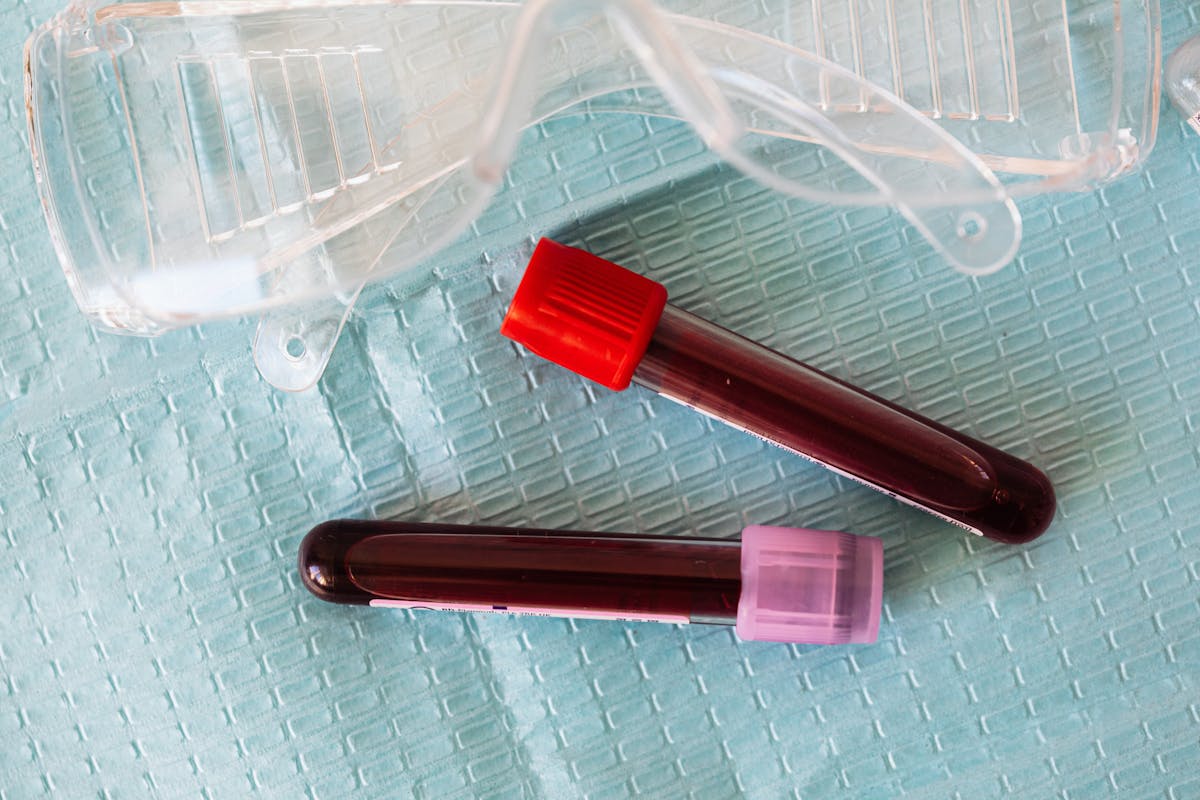
Going through your provider is the better route if you can, because you want the bleeding looked at as well as the iron. The order-it-yourself option is there for when the appointment is the bottleneck, and it is US only.
Test before you supplement, though — iron is not a vitamin to take on a hunch. There is a fuller version of all of this in our guide to period fatigue.
The Mirena crash, explained honestly
Search any forum and you will find people describing weeks of mood swings, anxiety, fatigue, breakouts, tender breasts and a general sense of wrongness after a hormonal IUD comes out, usually under the name "Mirena crash". Then search the medical literature and you will find almost nothing. Both of those things are true at once, and pretending otherwise in either direction does not help you.
Here is the honest picture. The Mirena crash is not a recognised medical diagnosis and it has not been well studied. But the proposed mechanism is not mysterious either. Your body has had a steady local dose of progestin for years, some of which circulates through the rest of you, and removal drops that level abruptly rather than tapering it. For some people, that step-change appears to produce a rocky few weeks while their own cycle takes back over — similar in spirit to what some people describe when they stop the pill — and it typically resolves within a few weeks to a couple of months as ovulation re-establishes.
What people report, roughly in order of how often it comes up:
- Mood swings, low mood, anxiety or tearfulness
- Fatigue that sleep does not fix
- Breakouts, particularly along the jaw and chin
- Sore or tender breasts
- Headaches
- Cramping and irregular spotting as cycles restart
- Nausea, bloating, or a wave of premenstrual symptoms you had forgotten about
What that means practically:
- If you feel off after removal, you are not imagining it and you are not alone
- It is very likely temporary, and the gentle basics genuinely help: sleep, protein, movement, and not scheduling your hardest weeks for right after removal if you have any say in it
- Some of what gets called the crash is simply your own cycle returning — the premenstrual symptoms a hormonal IUD was smoothing over come back with it
- If low mood is severe, or you are still struggling past two months, stop attributing it to the crash and see a provider. That timeline points at something else that deserves attention on its own terms
None of this is a reason to keep an IUD you want out. It is a reason to know what the first few weeks may look like so you do not read them as permanent. If you want to talk any of it through before booking, you can ask Sarah, the Periodwise assistant, without an appointment.
Copper IUD removal: a different story
If you are removing a copper IUD because of side effects, the odds are those side effects were heavier, longer, crampier periods. That is the copper IUD’s signature downside and the most common reason people have one taken out early.
The good news is that there are no hormones involved, so there is no crash and no cycle to restart. Your cycle simply continues on whatever schedule it was already keeping, and the extra heaviness and cramping the copper was causing usually improve within a cycle or two of removal.
If your periods stay very heavy after a couple of cycles without it, that is worth investigating rather than waiting out. It points at something else — fibroids, adenomyosis, a thyroid problem or an underlying bleeding tendency — rather than a copper hangover. Our guide to the conditions behind heavy periods goes through what each one looks like and how it is diagnosed.
How soon can you get pregnant after IUD removal?
Almost immediately, and this is the single most consequential thing on this page.
IUDs have one of the fastest returns to fertility of any method. A large 2020 study in The BMJ, following thousands of people who stopped contraception in order to conceive, found former IUD users — hormonal and copper alike — returned to normal fertility within around two cycles, faster than pill users at around three cycles and far faster than the contraceptive injection, which can take the better part of a year. Ovulation can happen before your first period after removal, which means you can conceive without ever having had a post-removal bleed to warn you.
Translated: if you do not want to be pregnant, you need a new method active from removal day, not from your first period. Many providers will insert a replacement IUD or start a new method during the same appointment as the removal, which is worth arranging when you book so the clinic has the device ready.
If you do want to be pregnant, there is no required waiting period after removal and no need to "clear" anything out of your system. You can start trying in the same cycle. Starting a prenatal folic acid supplement before you conceive is the standard advice, so that is the thing to have organised in advance instead.
Choosing your next method
The right next step depends on what specifically drove you away, because IUD side effects are more specific than "IUDs did not suit me" suggests.
If your IUD problem was | Worth discussing with a provider |
|---|---|
Hormonal side effects such as mood, skin or libido on a hormonal IUD | A copper IUD, condoms, fertility awareness, or a lower-dose hormonal option |
Heavy, crampy periods on a copper IUD | A hormonal IUD, which usually lightens bleeding, or the combined pill |
Pain from the device itself | A smaller IUD frame, or a method that is not in your uterus at all, such as the implant |
Irregular spotting that never settled | A combined method with a scheduled bleed |
Being done with devices entirely | The pill, ring, patch or implant, or non-hormonal options |
Notice that the first two rows are mirror images of each other. Plenty of people leave a copper IUD for a hormonal one, or a hormonal one for copper, and are much happier — because their side effects belonged to that type of IUD, not to IUDs in general.
If you are weighing those two against each other specifically, our copper versus hormonal IUD comparison puts them side by side, and the hormonal IUD page covers what that one does to bleeding and cramps in detail.
Whatever you are leaning towards, tell the next provider which brand you had and exactly what it did to you, so the conversation starts from what already failed rather than from a blank page. Our guide to preparing for an appointment covers what to bring, and the period pain and relief plan takes a few minutes and matches options to your actual pattern.
When to call your provider after removal
Get in touch if you have:
- Heavy bleeding soaking a pad or tampon every hour or two
- Severe pain that is worsening rather than settling after the first few days
- Fever, chills or unusual discharge, which can signal infection
- No period at all three months after a hormonal IUD came out
- A positive pregnancy test at any point when that is not the plan
- Low mood that is severe, or that has not lifted by two months
And one before removal: if you cannot feel your strings and are worried the removal will be complicated, say so when you book so the clinic schedules for it. Usually the strings have curled up around the cervix and are found easily in the room; occasionally an ultrasound is needed first. Our when to seek care guide walks through what is urgent and what can wait.
Frequently asked questions
Does IUD removal hurt?
For most people it is one strong cramp lasting a few seconds, and it is considerably easier than insertion, because nothing has to be dilated, measured or positioned. Taking ibuprofen an hour beforehand helps. A minority find it more painful than that, particularly if the strings are hard to find, so it is fair to say up front that insertion was rough for you.
How long after IUD removal will I get my period?
After a hormonal IUD, typically within four to eight weeks, with regular cycles back by around three months. The first bleed may be light, spotty or oddly timed before things settle. After a copper IUD, your cycle usually continues without interruption, since nothing was suppressing it.
What is the Mirena crash?
It is an informal name for mood swings, fatigue, breakouts and other symptoms that some people report in the weeks after a hormonal IUD is removed. It is not a formal diagnosis and the evidence base is thin, but the proposed mechanism — an abrupt drop in progestin while your own cycle takes over — is plausible, the experience is real for some people, and it typically settles within a few weeks to a couple of months.
How soon can you get pregnant after IUD removal?
Almost immediately. Ovulation can happen before your first post-removal period, and research shows fertility returns within about two cycles on average for both hormonal and copper IUDs. If pregnancy is not the plan, your next method needs to be in place from removal day.
Is bleeding after IUD removal normal?
Light bleeding or spotting for a few days is normal and expected. Soaking through a pad or tampon every hour or two is not, and warrants a call to your provider, as does bleeding that gets heavier rather than lighter across the first week.
Can I have a new IUD inserted at the same appointment as removal?
Usually yes, and same-day exchange is common. It also keeps you covered with no contraceptive gap. Arrange it when you book so the clinic has the new device ready, and expect the insertion half to feel like an insertion rather than like the removal.
Why are my periods so heavy after removing my hormonal IUD?
The IUD was thinning your uterine lining and lightening your flow, sometimes for years, so your own baseline can feel like a shock by comparison. In most cases this is your normal period returning rather than a new problem. If the bleeding is genuinely excessive, properly timed anti-inflammatory painkillers and tranexamic acid are both worth discussing, and it is worth having your ferritin checked.
Do you lose weight after IUD removal?
Probably not, because the evidence linking hormonal IUDs to meaningful weight gain is weak in the first place. Most people notice no change. Any shift in the first few weeks is more likely fluid settling as hormone levels adjust than fat gained or lost.
How long do side effects last after IUD removal?
Physical effects — cramping and spotting — usually last a few days. Hormonal adjustment after a hormonal IUD is typically a few weeks to a couple of months, tracking the return of your own ovulation. Anything still going strong past two to three months is worth an appointment rather than more waiting.
Can you remove an IUD yourself?
No. It is not a safe do-it-yourself procedure, however simple the videos make it look. Strings can be shorter than they appear, the arms can catch, and a partial removal can cause real harm and leave you needing an urgent appointment anyway. Removal in a clinic takes under a minute.
Do I need to wait before trying to conceive after IUD removal?
No. There is no required waiting period and nothing to flush out of your system, for either type of IUD. You can start trying in the same cycle. Starting a prenatal folic acid supplement beforehand is the standard advice.
Where to go from here
If you are deciding what comes next rather than just getting through the first fortnight, our period pain and relief plan matches options to your actual pattern and tells you whether it is time to book. You can also ask Sarah, the Periodwise assistant, anything you would rather not say out loud yet.
Related reading:
- IUD insertion: what to expect, and how to handle the cramps after
- Going off birth control: what your first few cycles might do
- Tranexamic acid for heavy periods: the non-hormonal option nobody told you about
- Period fatigue: why you are exhausted and what actually helps
- The best period products for a heavy flow overnight
Know someone who should read this?
Most of us learn this from a friend, not a doctor.